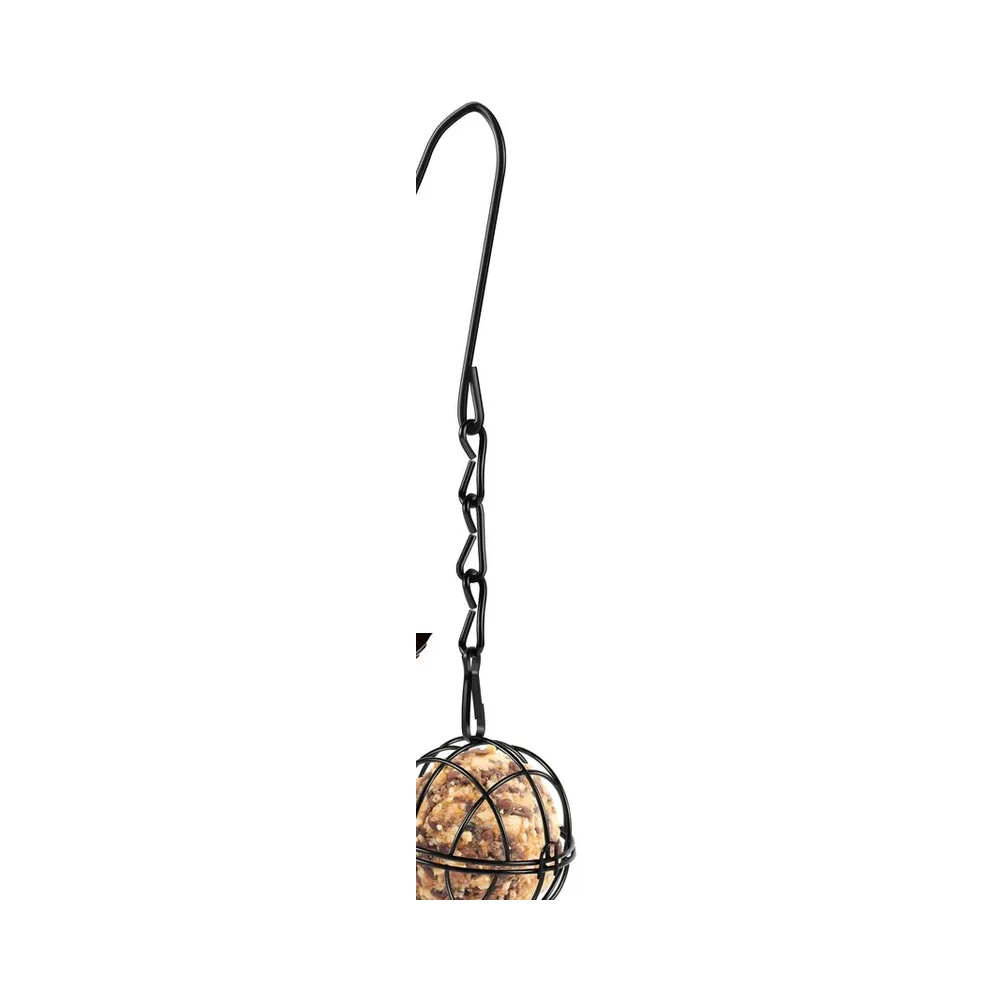
 Hanging Metal Fat Ball Feeders (Set of Four)
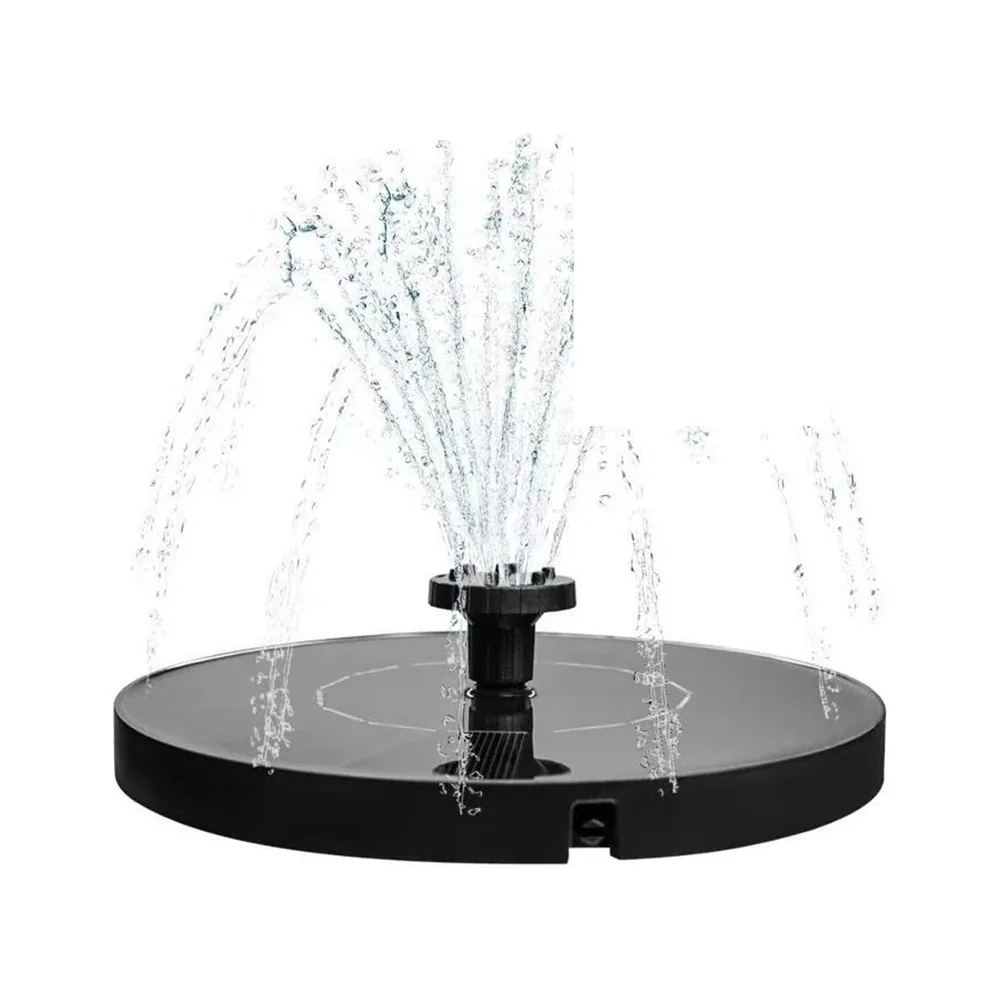 Solar Fountain for Your Bird Bath
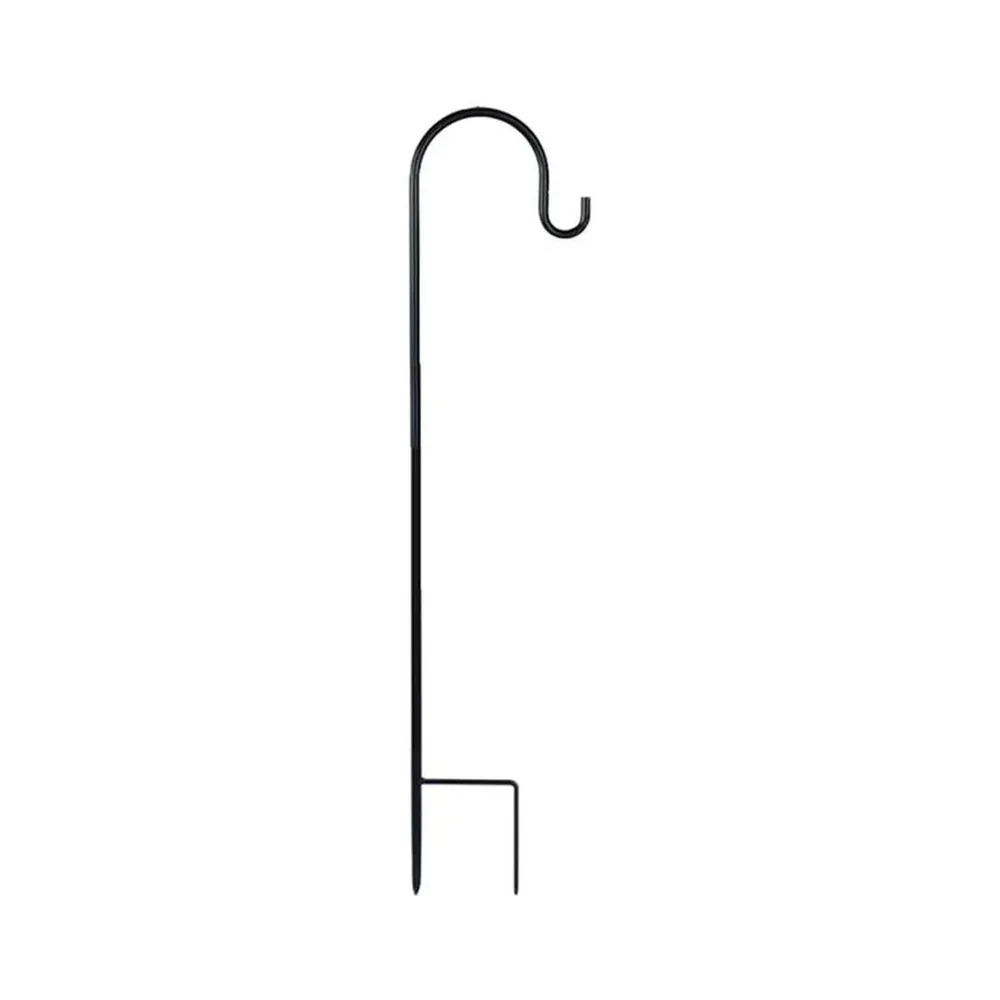 Shepherd Hook Feeder Pole
A bird bath is the easiest thing in the world to get slightly wrong.
You buy one, you put it somewhere that looks lovely from the kitchen window, and then nothing uses it. Or worse, something does and the neighbour's cat is waiting.
Siting is not decoration. For a bathing bird it is a genuine safety calculation, and once you understand what the bird is weighing up, the right position becomes obvious.
What a bathing bird is actually risking
Bathing soaks the feathers. A wet blackbird cannot get airborne quickly and cannot fly far. For those few seconds it is about as vulnerable as it ever gets.
So before it commits, it wants two things: a clear view of anything approaching, and somewhere close to get to if something does.
Every siting rule below comes out of those two needs.
The rule: open ground, cover nearby
Put the bath where the bird can see all round it. Open lawn, a gap in a border, the middle of a patio. Not tucked into a corner, not backed against a wall.
Then make sure there is somewhere to go — a shrub, a low branch, a hedge — two to three metres away.
Two to three metres is the working distance. Much further and a soaked bird has a long, slow, exposed flight to safety. Much closer and a cat can lie in the shrub and simply wait.
Open enough to see danger, close enough to escape it. That is the whole of bird bath siting in one line.
The two placements to avoid
Directly under a feeder
It seems efficient. It is not.
Droppings and seed husks fall straight into the water. Within a day it is fouled, and fouled water at a communal drinking spot is exactly how disease moves between birds.
Keep the bath a good couple of metres to one side of any feeder. Both get used more, not less.
Against a hedge or dense border
This is the one that costs birds their lives. A cat in dense planting is invisible and motionless, and it is within a single pounce of a drinking bird.
If you have cats in the area — and most gardens do — pull the bath well clear of anything a cat can hide inside.
Height: does it matter?
Somewhat, and mostly because of cats.
A pedestal or stake bath at 60cm to a metre lifts the water out of reach of a single pounce and gives the bird a better view. In a garden with cats, that is worth doing.
A ground dish is more natural — it is how most birds drink in the wild, and blackbirds, dunnocks and wrens prefer it. But it needs a genuinely open position, because it puts the bird at exactly cat height.
If you have space, having both is not extravagant. Different species use them differently and it spreads the traffic.
Sun, shade and the algae question
Full afternoon sun heats the water, speeds evaporation and turns a bath green in a matter of days.
Dappled shade, or somewhere that gets morning sun and afternoon shade, keeps the water fresher for longer and cuts the scrubbing down noticeably.
Do not put it in deep permanent shade either. Birds like a little warmth on the water, and a bath under dense evergreen collects leaf litter all year.
Wind, which nobody mentions
A bath in a wind funnel between two buildings gets ruffled, evaporates faster and, if it is on a stake, can be blown over.
Pick somewhere with a bit of shelter. A wall or fence four or five metres away on the prevailing wind side is ideal — far enough not to be a cat platform, close enough to take the edge off.
Winter siting is different
In a frost, the sunniest spot you have is the right one, because a couple of hours of low winter sun can be the difference between liquid water and a solid disc.
I move mine in November and back again in March. It takes two minutes and the birds notice.
There is more on keeping water liquid in the water guide, and the rest of the series lives at bird baths and water.
If it is not being used
Give it a fortnight first. Birds are cautious about anything new and a bath is a big shiny object that appeared overnight.
After that, work down this list:
- Too deep? Birds stand, they do not swim. Two to five centimetres. Add a flat stone if the bowl is deep.
- Too slippery? A glazed bowl gives no grip. A layer of gravel or a rough stone fixes it.
- Too exposed? No cover within a few metres and they will not risk it.
- Too enclosed? Cover right up against the bath reads as an ambush.
- Too still? Moving water is seen and heard from much further away. A solar fountain makes a surprising difference.
Nine times out of ten it is depth or position. Move it three metres and try again.
One last thing
Put it where you can see it.
Not because the birds care, but because you will keep it topped up and clean if it is in your eyeline, and you will not if it is round the side of the house. A bath that gets changed every couple of days is worth far more than a beautiful one that goes green in July.