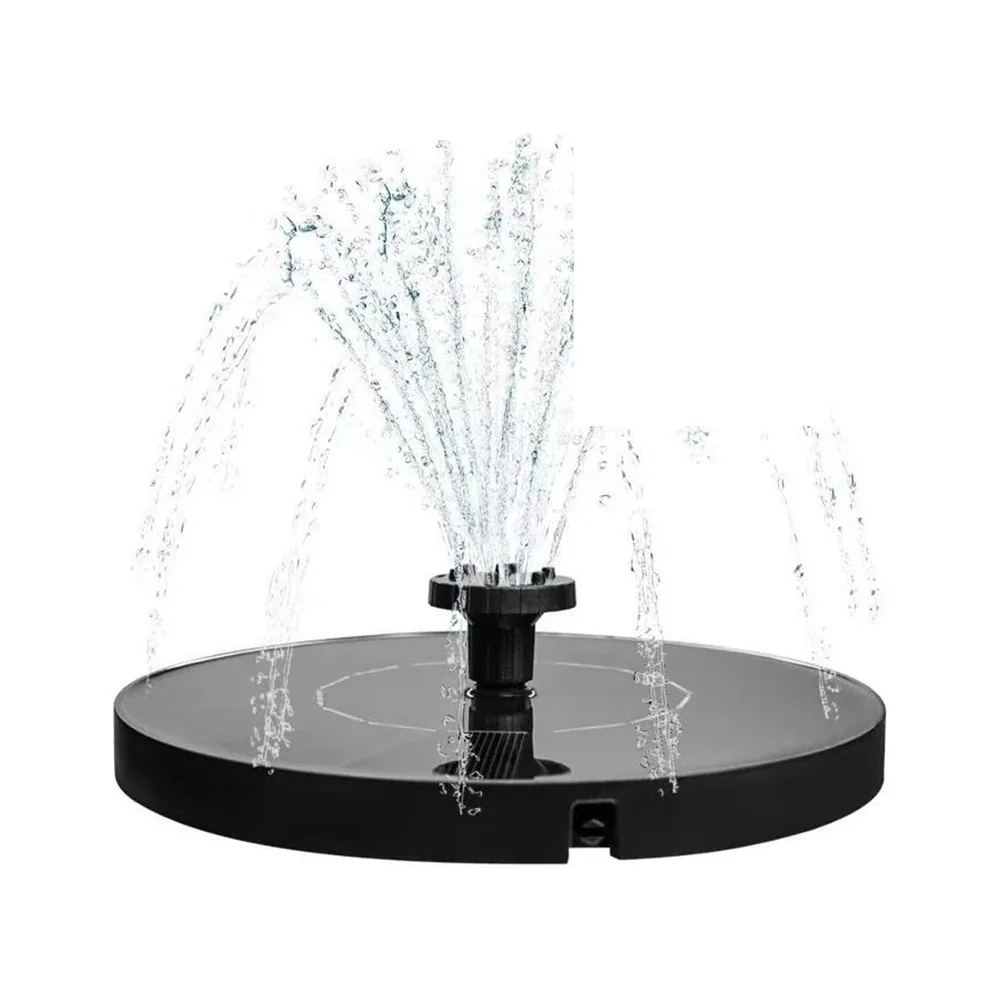
 Solar Fountain for Your Bird Bath
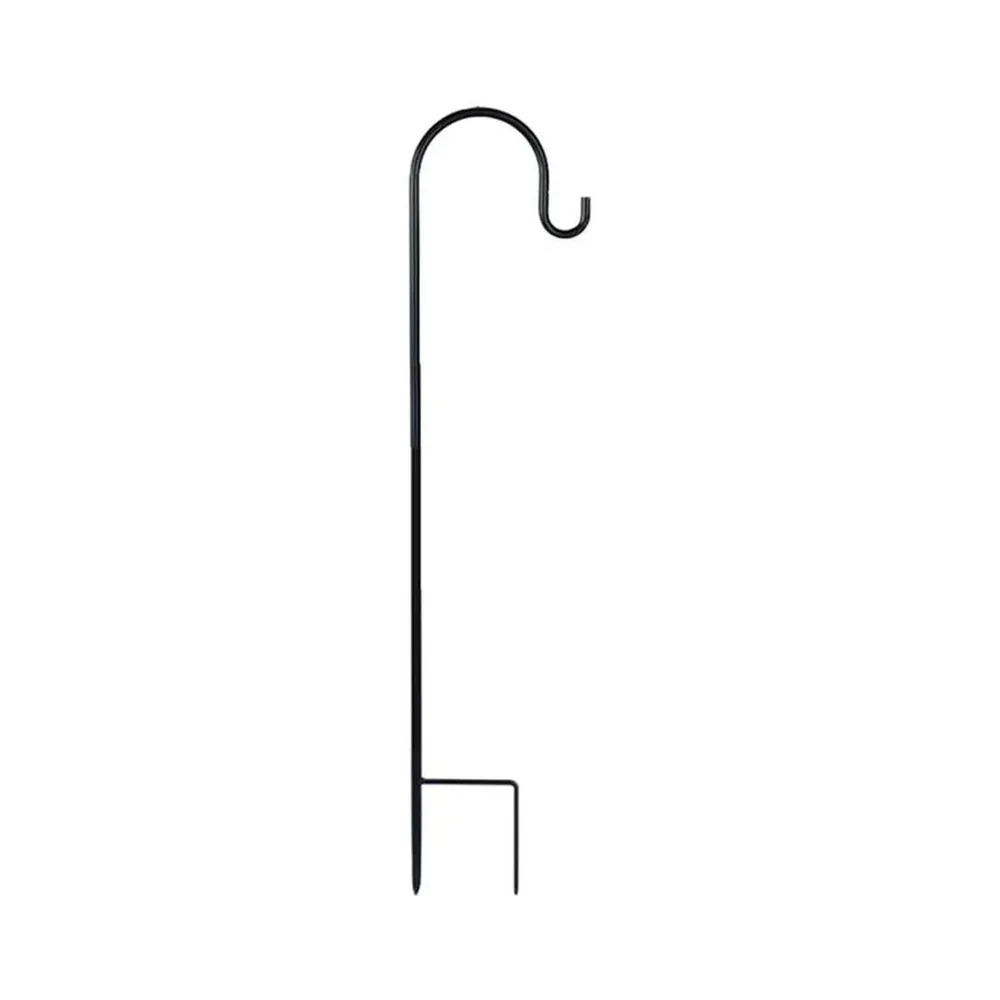 Shepherd Hook Feeder Pole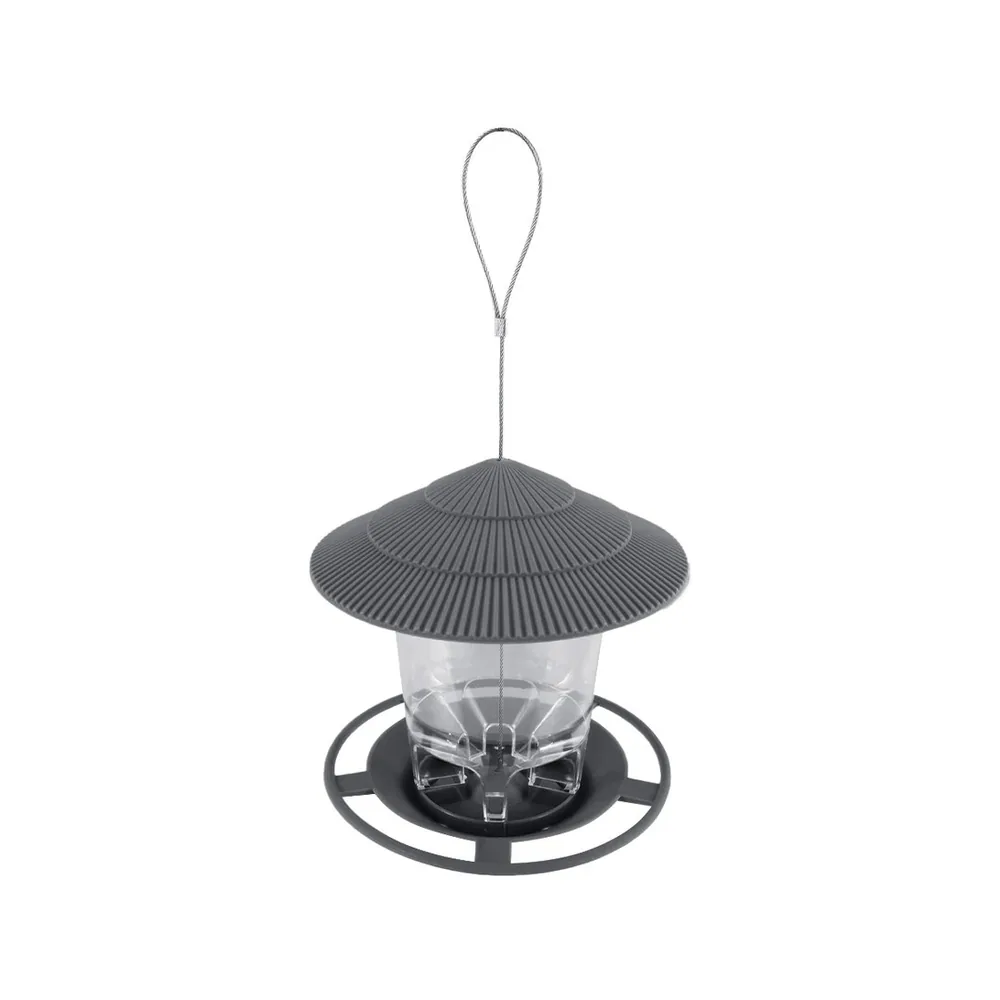
Small-Bird Feeders
Feeders sized and ported for the small birds — tits, finches, sparrows and wrens — rather than the ones that arrive mob-handed and empty a tray in a morning.
6 items
No matches
Nothing in this range fits every filter at once. Clear one and try again.
How do I feed small birds but not pigeons?
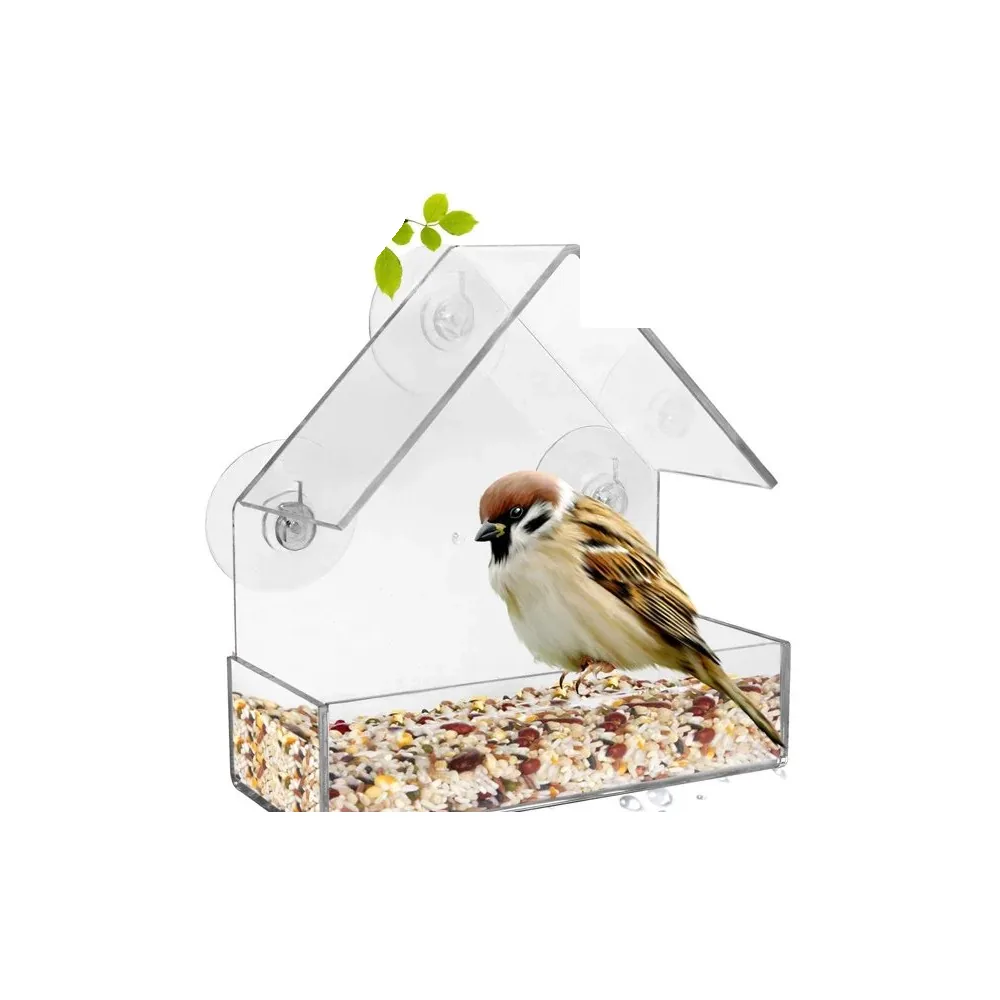
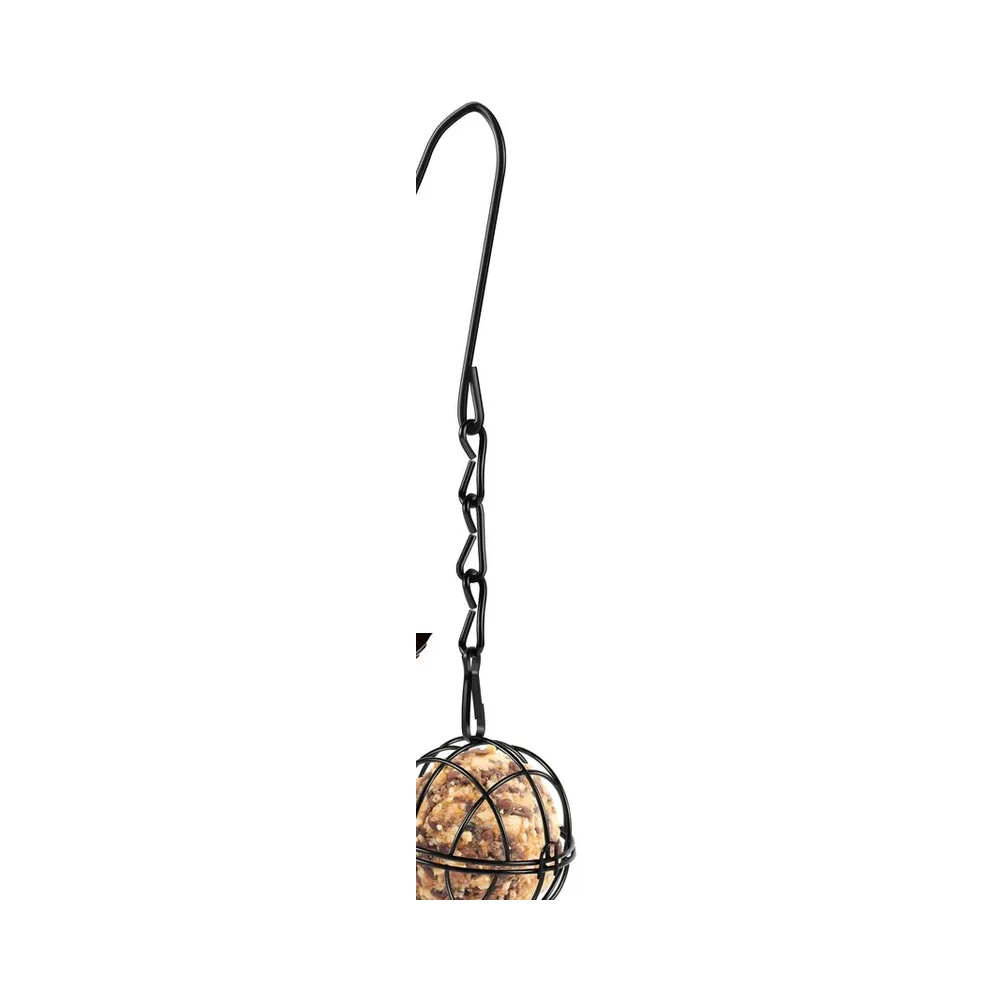
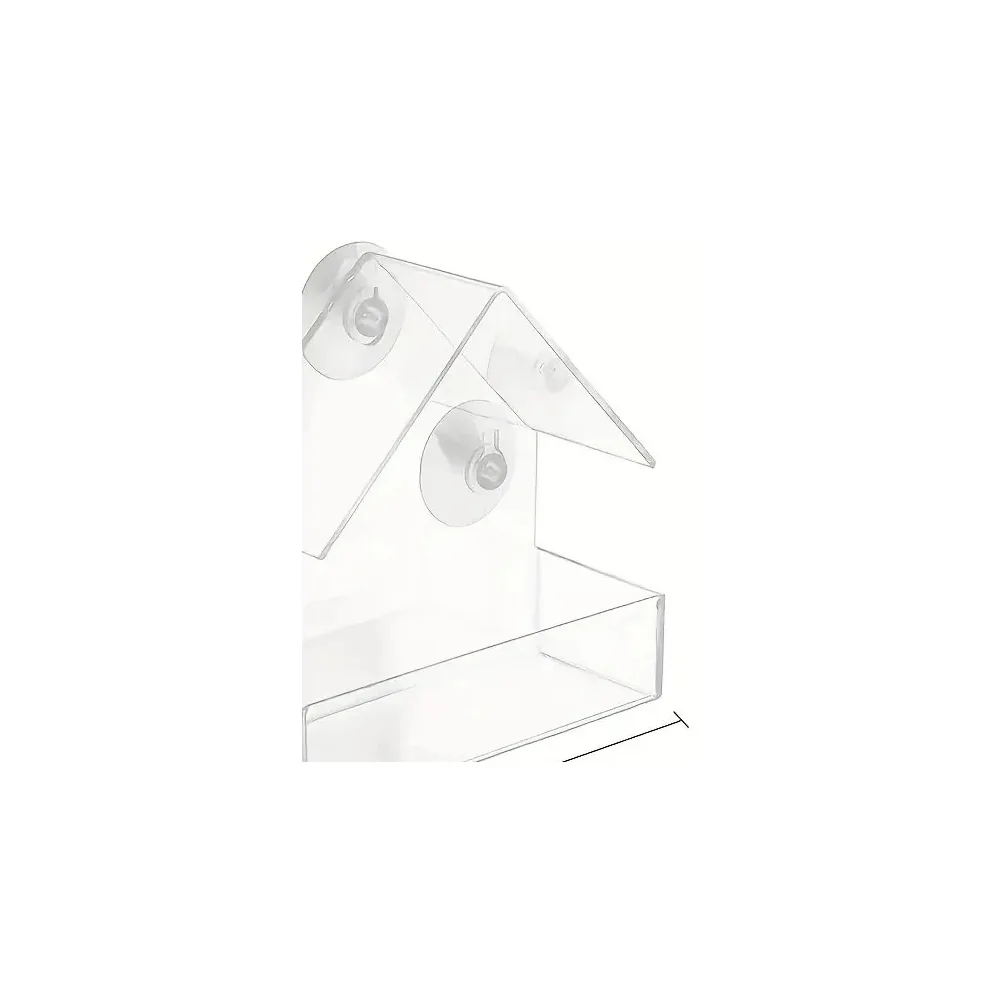
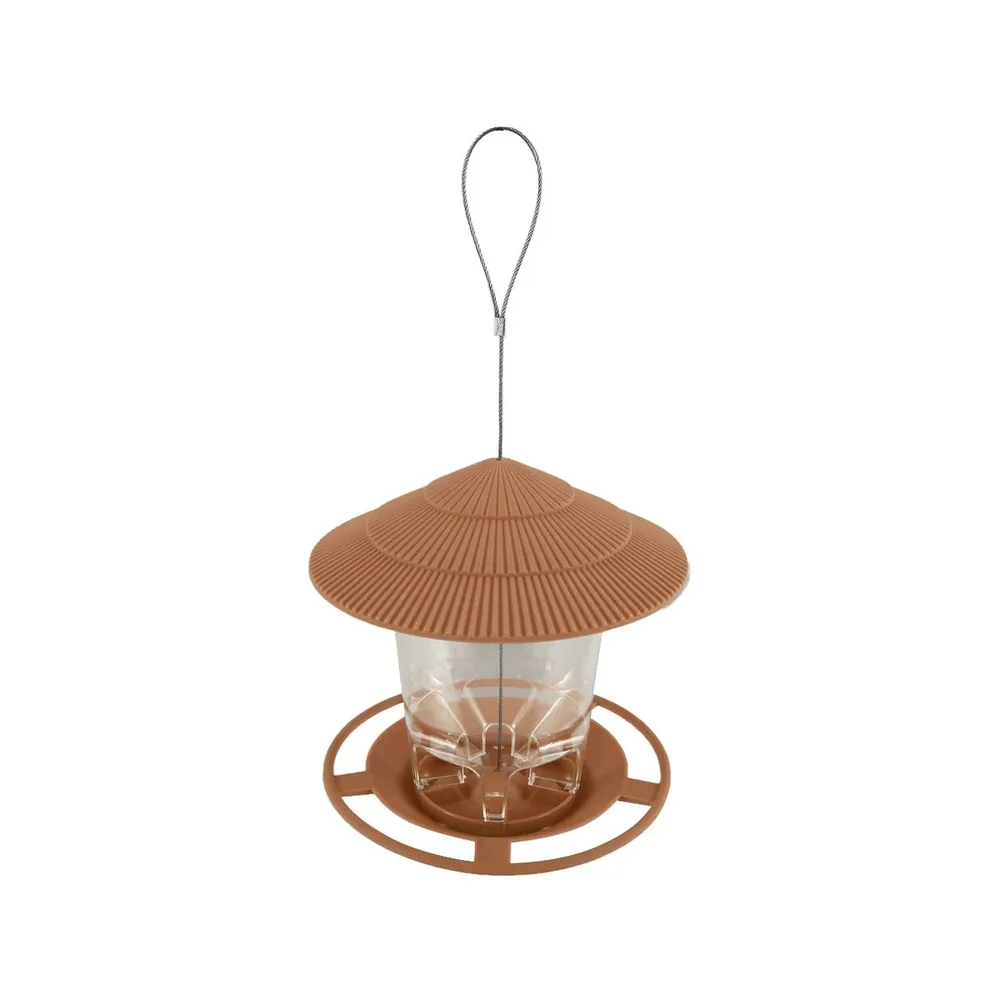
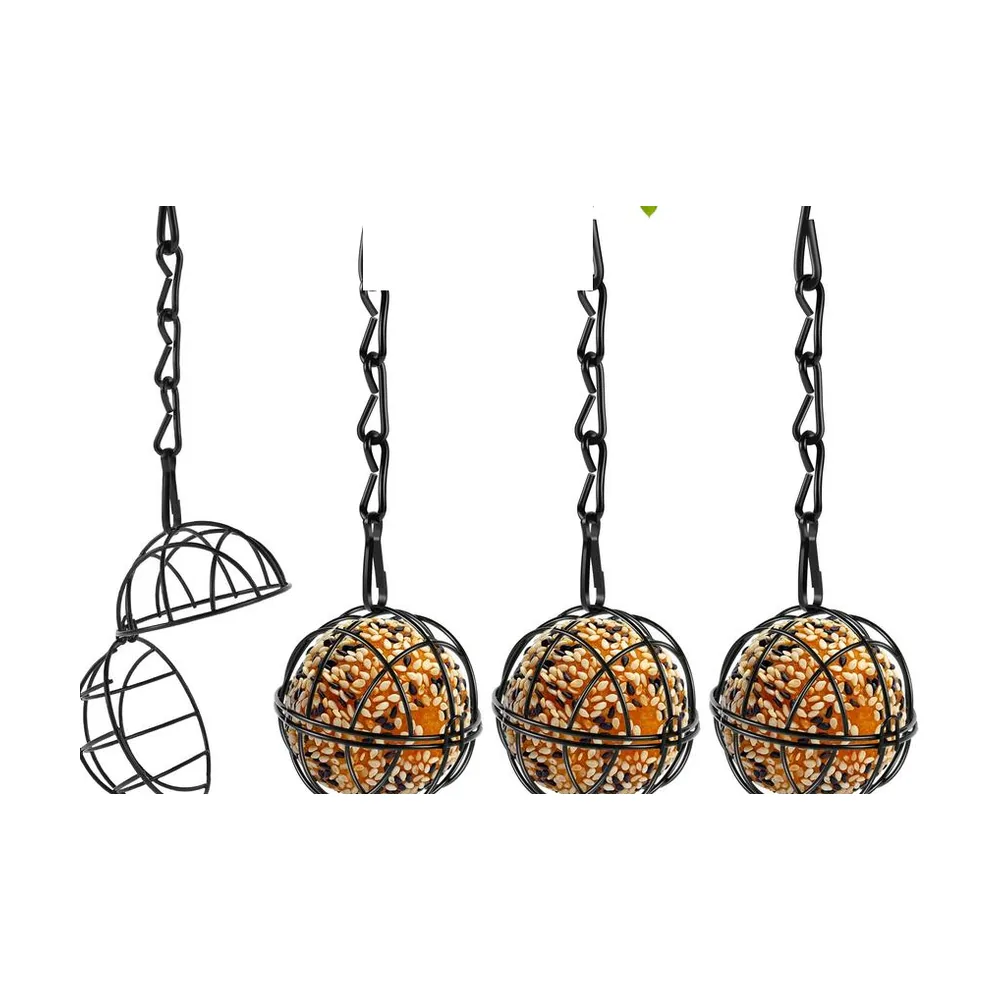
Use a caged or small-port feeder that only a small bird can reach into. British Bird Feeders stocks cage feeders and compact window and seed feeders sized for tits, finches, sparrows and wrens, so a flock of starlings or a pair of woodpigeons cannot empty the whole thing in a morning.
- A cage with roughly 4cm gaps lets tits and finches in and keeps pigeons out.
- Small ports and short perches suit clinging birds and defeat larger ones.
- Window feeders are naturally small-bird feeders — bigger species rarely use them.
- Removing the ground spill removes most of the pigeon and rat problem.
- Sunflower hearts and fat balls are the two foods small birds take fastest.
Common questions
Questions about small-bird feeders
Mesh gaps of around 4cm are the useful size. That lets blue tits, great tits, goldfinches, sparrows and wrens through comfortably while stopping starlings, woodpigeons, magpies and squirrels reaching the food. Larger gaps let starlings squeeze in; much smaller ones start excluding the greenfinches and great tits you want.
Blue tits, great tits, coal tits, long-tailed tits, goldfinches, greenfinches, chaffinches, house sparrows, dunnocks and wrens. Robins sit at the edge of the group — they are small but cannot cling, so they need an open tray or a bird table rather than a hanging cage feeder.
A cage feeder helps a great deal, because a squirrel cannot get its head through a 4cm gap. It is not a complete answer on its own — a determined squirrel will chew plastic and hang off the outside. Combine a caged feeder with sensible positioning at least two metres from any launch point.