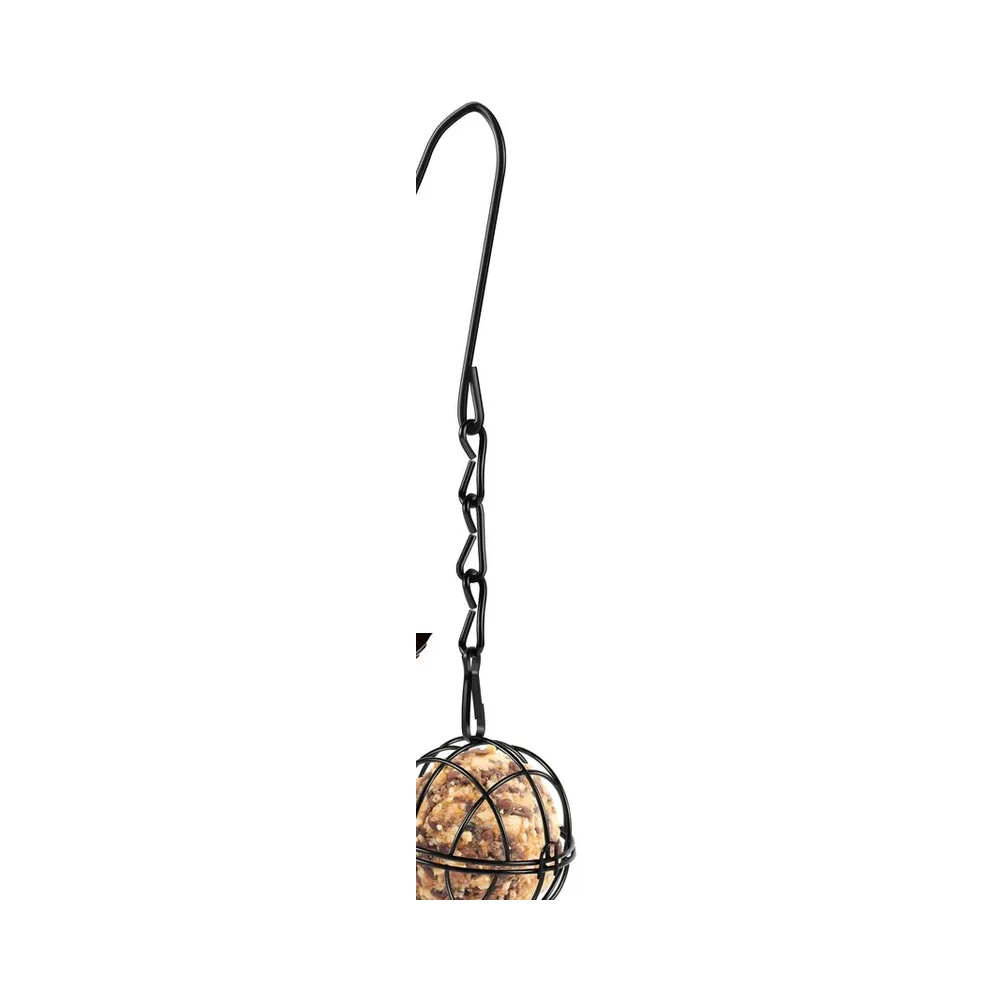
 Hanging Metal Fat Ball Feeders (Set of Four)
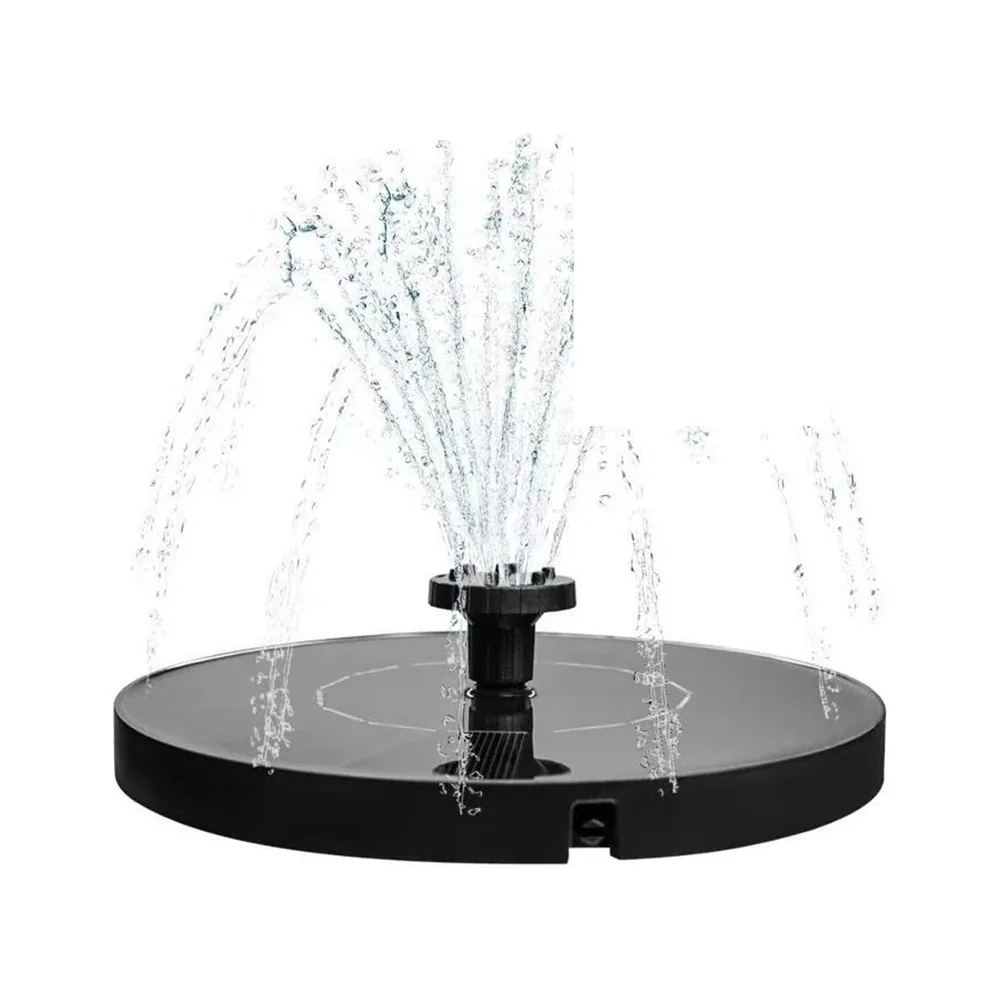 Solar Fountain for Your Bird Bath
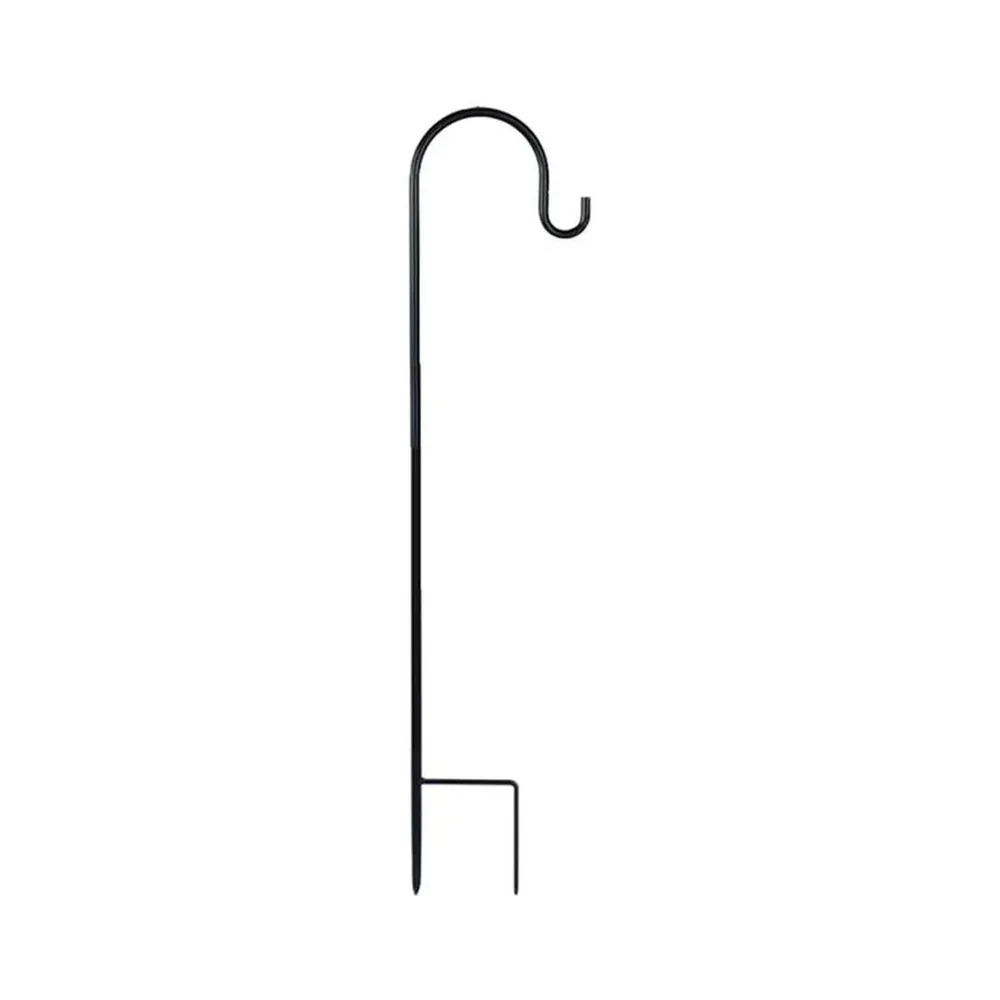 Shepherd Hook Feeder Pole
Ground Baths
A dish at ground level is how most birds would drink in the wild. Site it in the open so nothing can creep up on it, and change the water every couple of days.
1 item
No matches
Nothing in this range fits every filter at once. Clear one and try again.
Are ground bird baths safe with cats around?
Only if sited in the open. A ground dish is how most birds naturally drink, but it puts them at cat height, so position matters more than with a pedestal. British Bird Feeders suggests open ground with a clear view all round and cover a short flight away, never beside a hedge.
- A ground dish is the most natural drinking position for most species.
- Site it in the open — never against a hedge, wall or dense border.
- Keep cover two or three metres away for preening after a bath.
- Shallow and rough-surfaced: two to five centimetres with grip underfoot.
- Change the water every couple of days and scrub the dish weekly.
Common questions
Questions about ground baths
In open ground with a clear line of sight in every direction, so nothing can approach a drinking bird unseen. Keep a shrub or low branch two or three metres away for cover and preening, but never put the dish right against dense planting — that is exactly where a cat will wait.
Blackbirds, robins, dunnocks, wrens and house sparrows are the most frequent, since all of them feed and drink at or near ground level anyway. Tits and finches will use one too, though they often prefer water at height. Ground water is what draws the shy species a feeder never will.
Float a small ball or a stick on the surface so movement slows ice forming, tip out ice each morning and refill with cool water. Never add salt, glycerine or antifreeze — all are harmful to birds. In a hard frost, fresh water twice a day matters more than food.