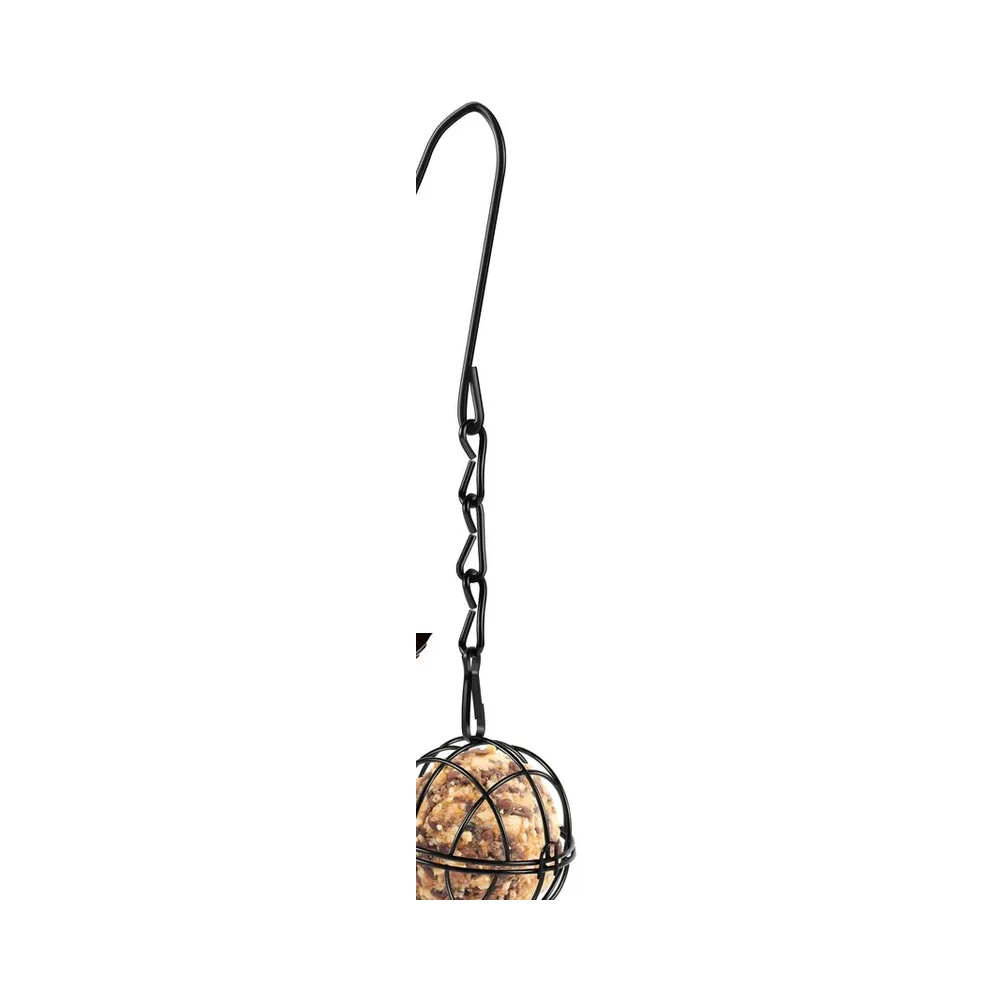
 Hanging Metal Fat Ball Feeders (Set of Four)
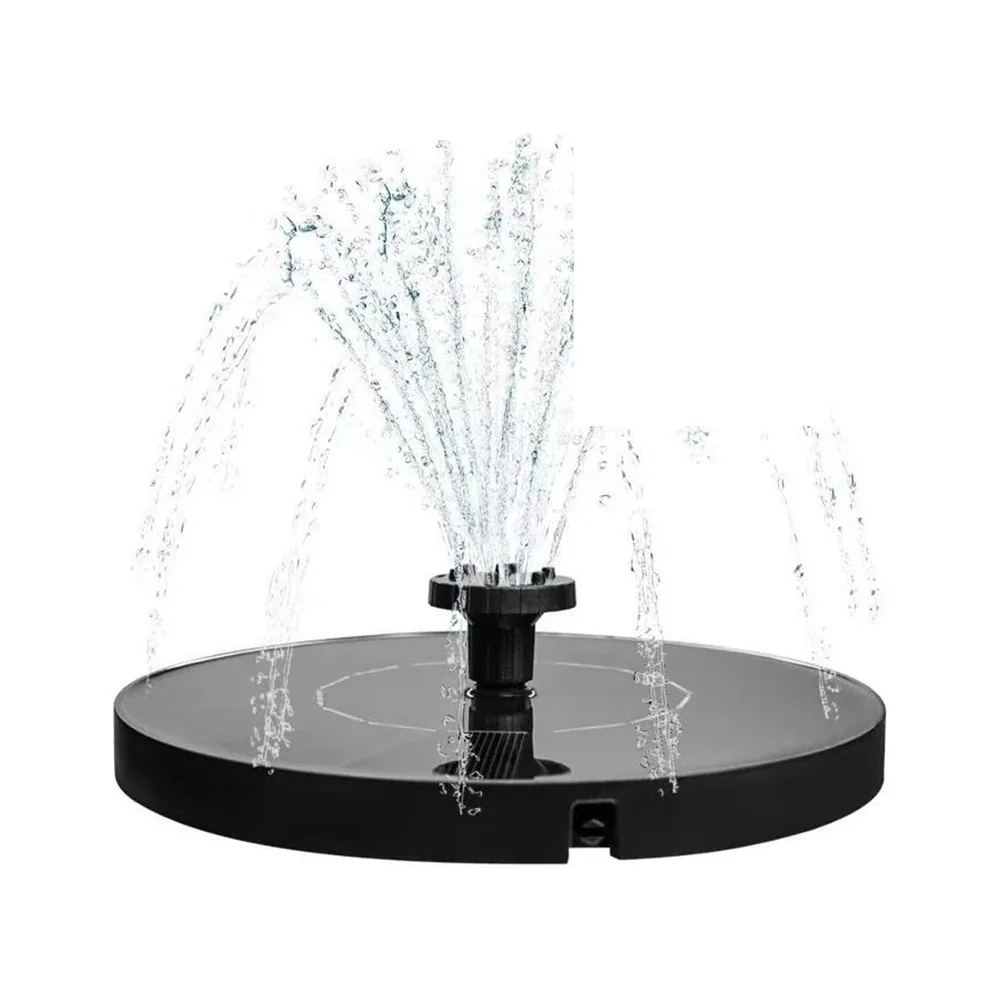 Solar Fountain for Your Bird Bath
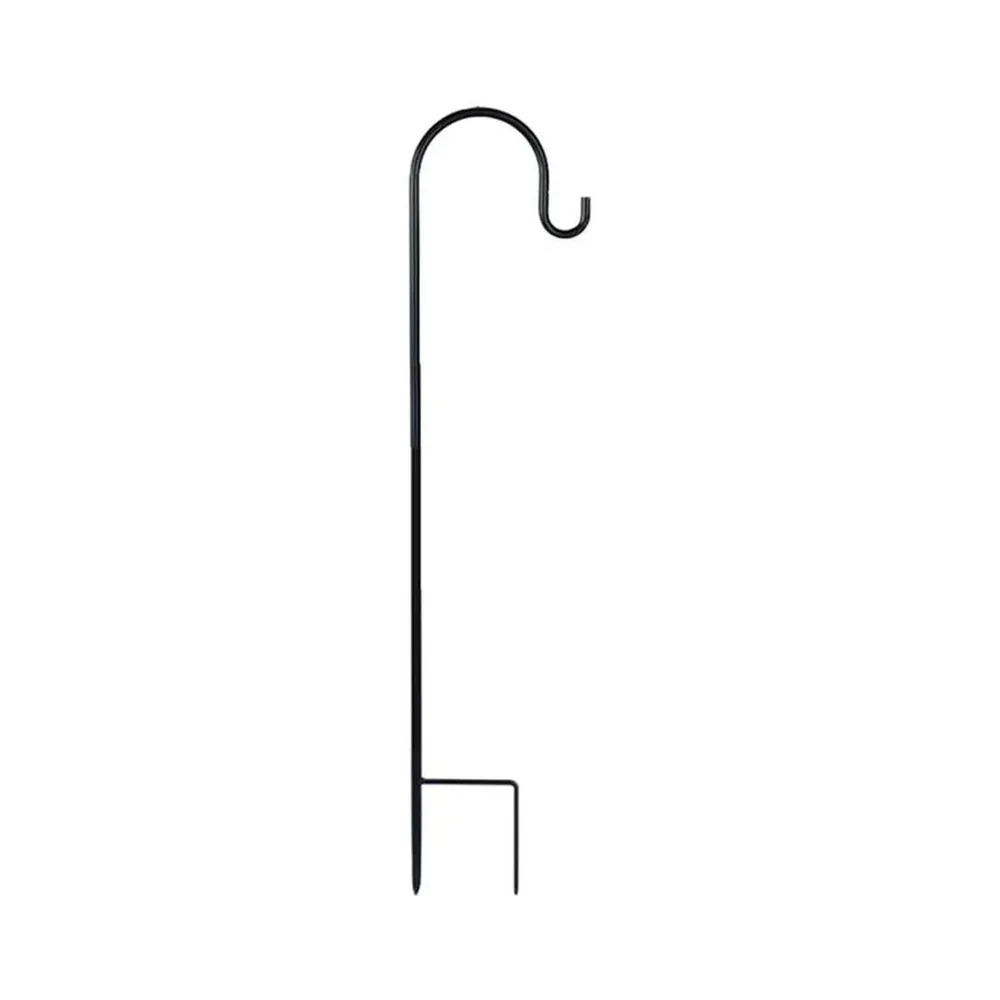 Shepherd Hook Feeder Pole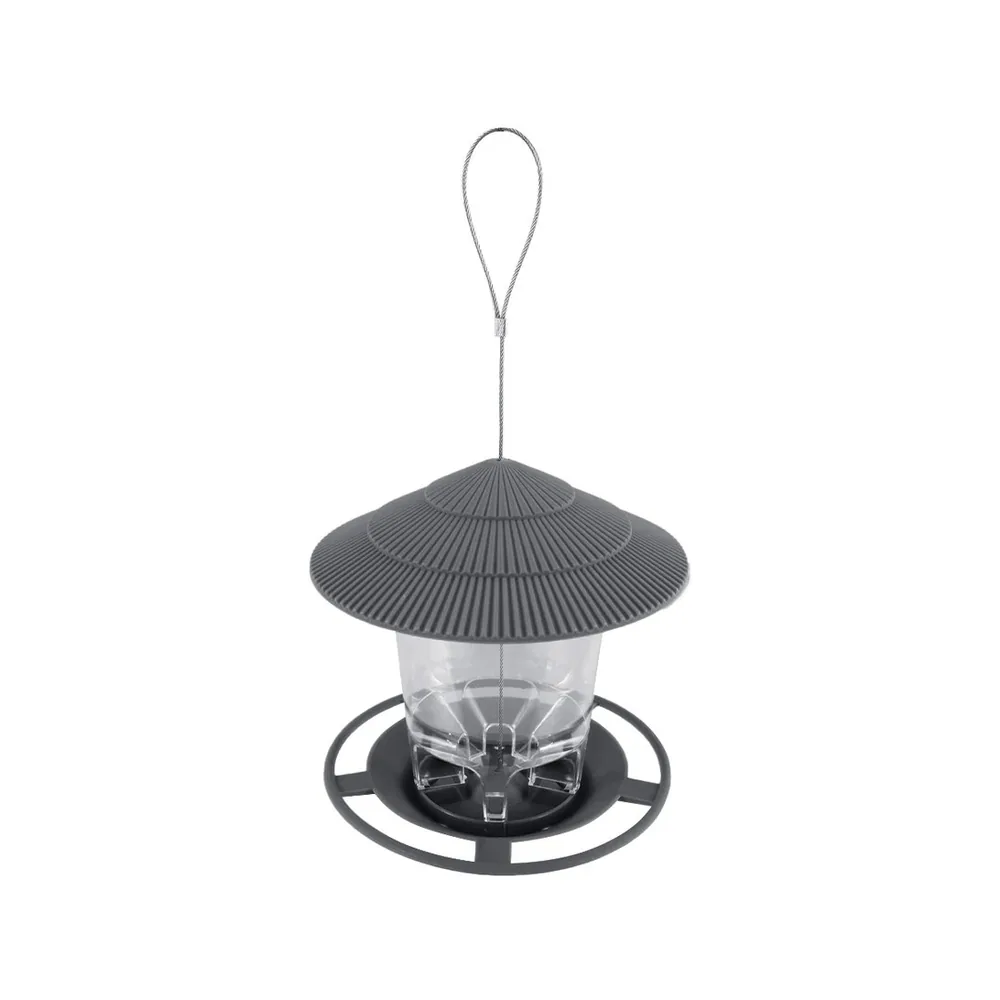
Peanut Feeders
Peanuts belong in a mesh feeder, never loose on a table — a whole peanut can choke a chick in nesting season. A proper peanut feeder makes the birds work at the mesh, which is exactly the point.
1 item
No matches
Nothing in this range fits every filter at once. Clear one and try again.
Why do peanuts need a mesh feeder?
Because a whole peanut can choke a chick in the nesting season. A mesh feeder makes birds work off small pieces instead, which is exactly the point. British Bird Feeders stocks steel mesh peanut feeders that suit tits, greenfinches, house sparrows and, in many gardens, great spotted woodpeckers.
- Never put whole peanuts loose on a table, especially in spring and summer.
- Mesh gaps of roughly 6mm let birds peck fragments off safely.
- Buy peanuts sold for birds — other nuts can carry aflatoxin.
- Blue tits, great tits, greenfinches and woodpeckers all use peanut feeders.
- Keep peanuts dry; damp nuts go mouldy quickly and must be thrown away.
Common questions
Questions about peanut feeders
Only unsalted, unroasted plain peanuts, and even then buy peanuts sold specifically for birds where you can. Bird-grade peanuts are tested for aflatoxin, a mould toxin that is harmful and not visible in the nut. Never offer salted, dry-roasted or flavoured peanuts to garden birds.
Blue tits, great tits and coal tits are the regulars, along with greenfinches and house sparrows. In many gardens a great spotted woodpecker will find one too, and nuthatches where you have them. Peanuts are a high-fat food, so a mesh feeder empties fastest through autumn and winter.
In a mesh feeder, yes. The risk is whole peanuts, which an adult may carry straight back to a chick that cannot swallow it. A mesh feeder forces birds to take small fragments instead. Never scatter whole peanuts on a table or the ground between roughly April and August.