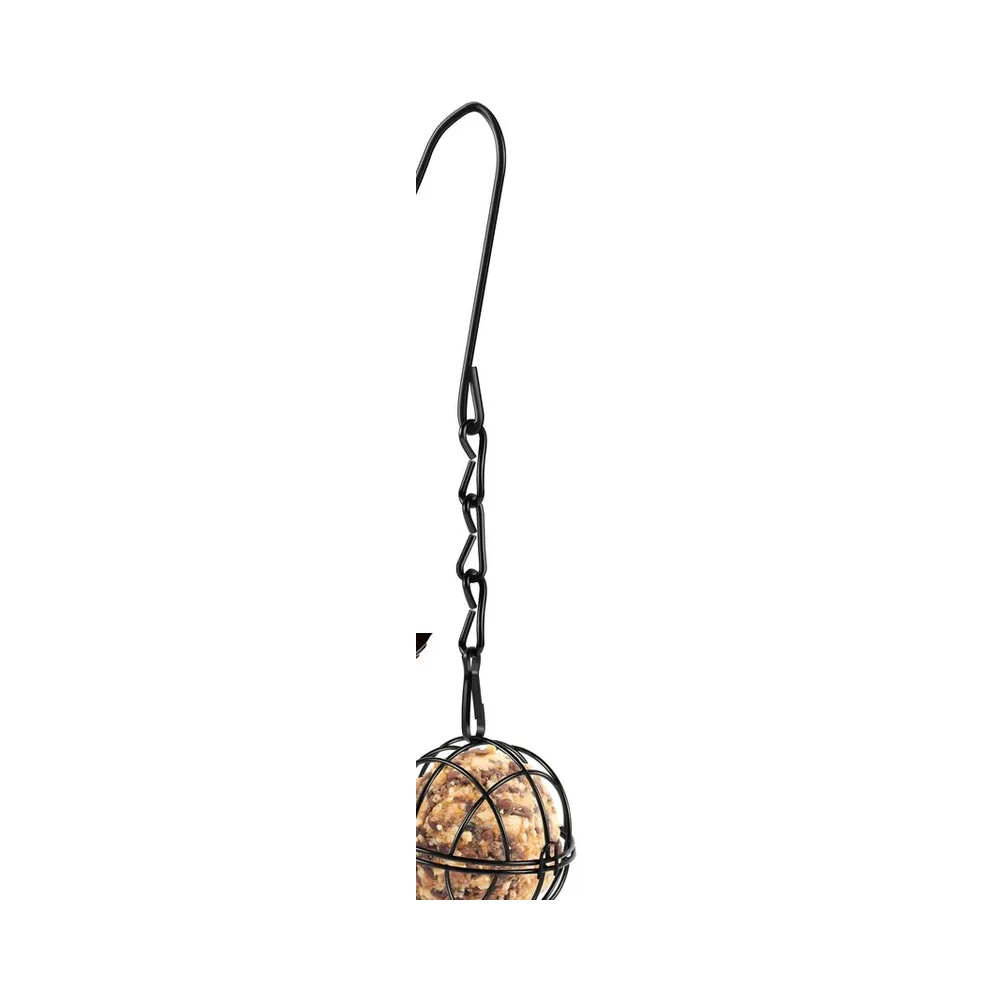
 Hanging Metal Fat Ball Feeders (Set of Four)
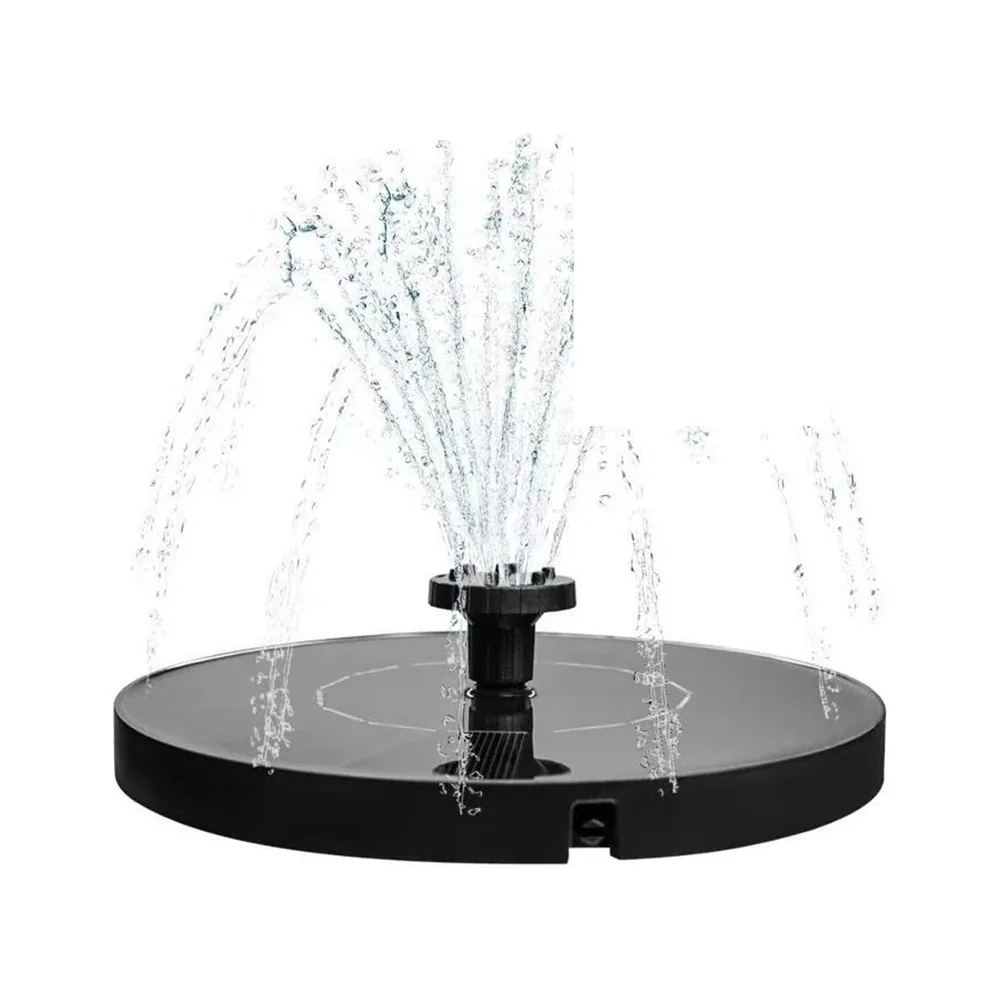 Solar Fountain for Your Bird Bath
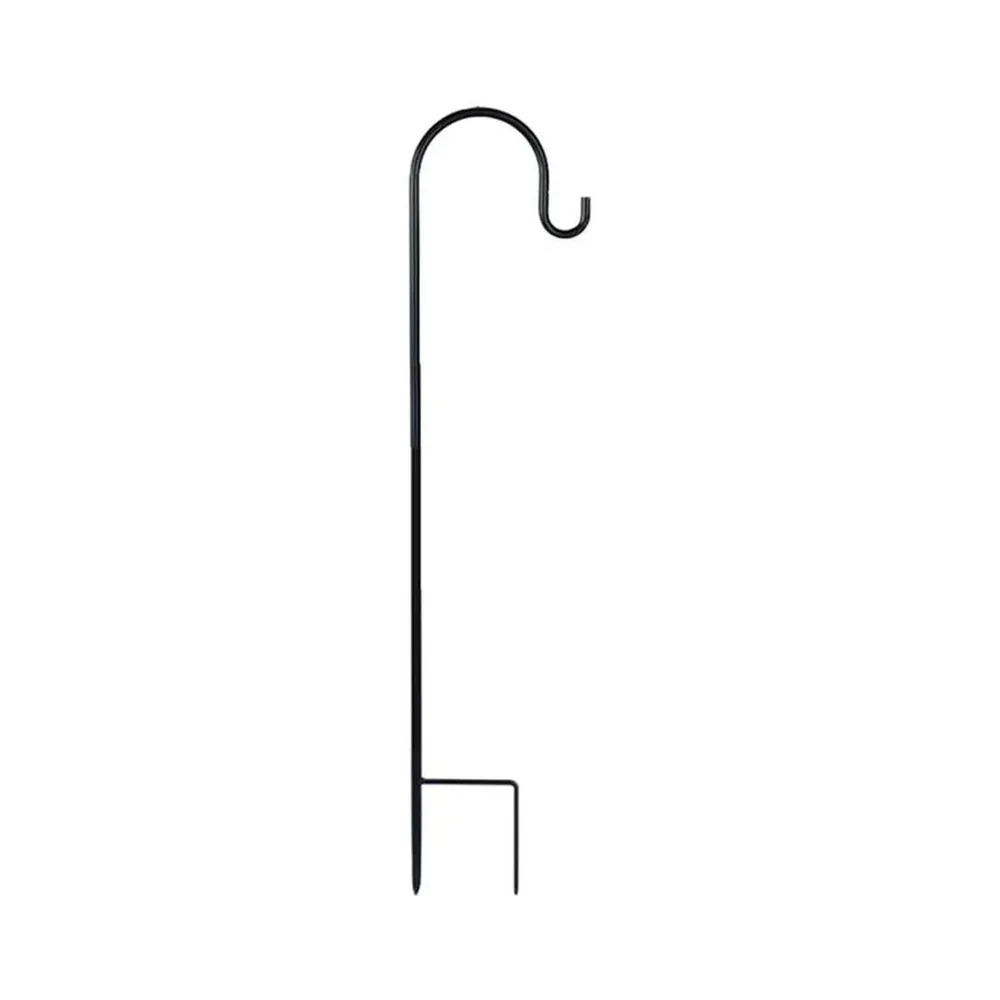 Shepherd Hook Feeder Pole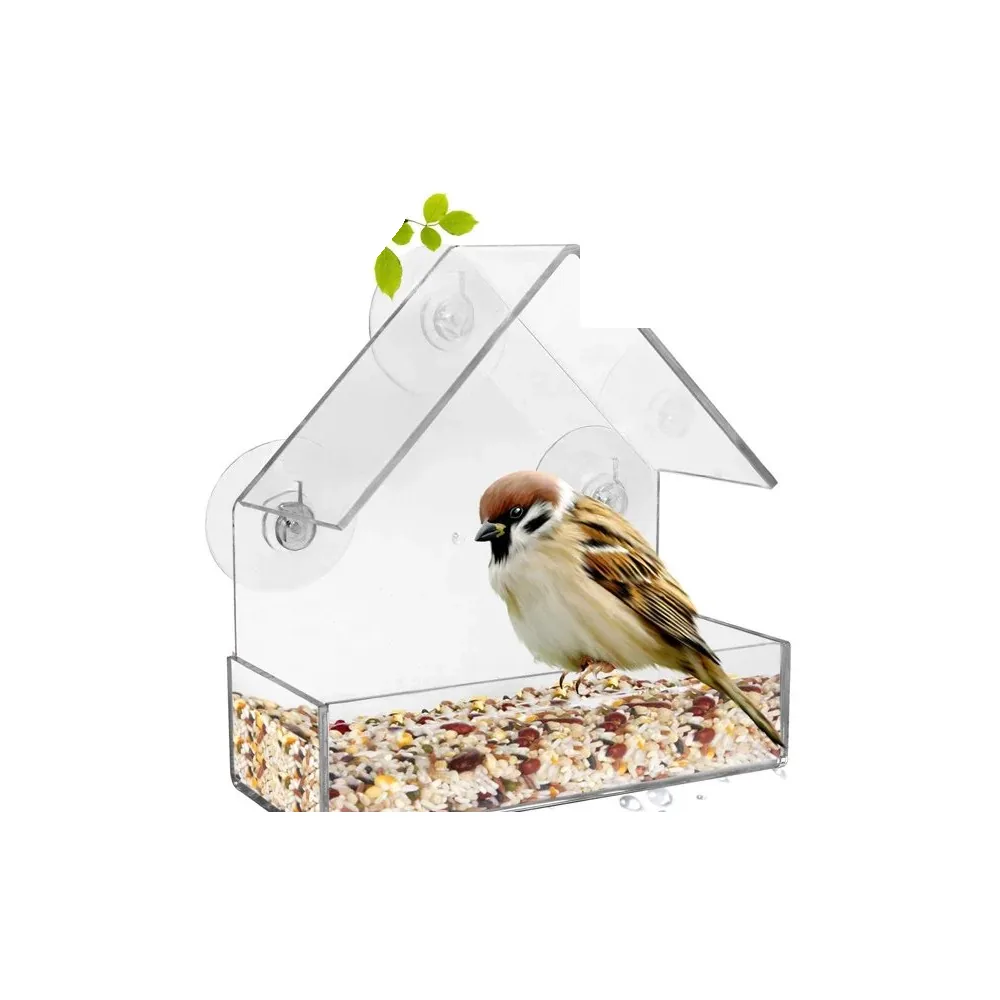
Window Feeders
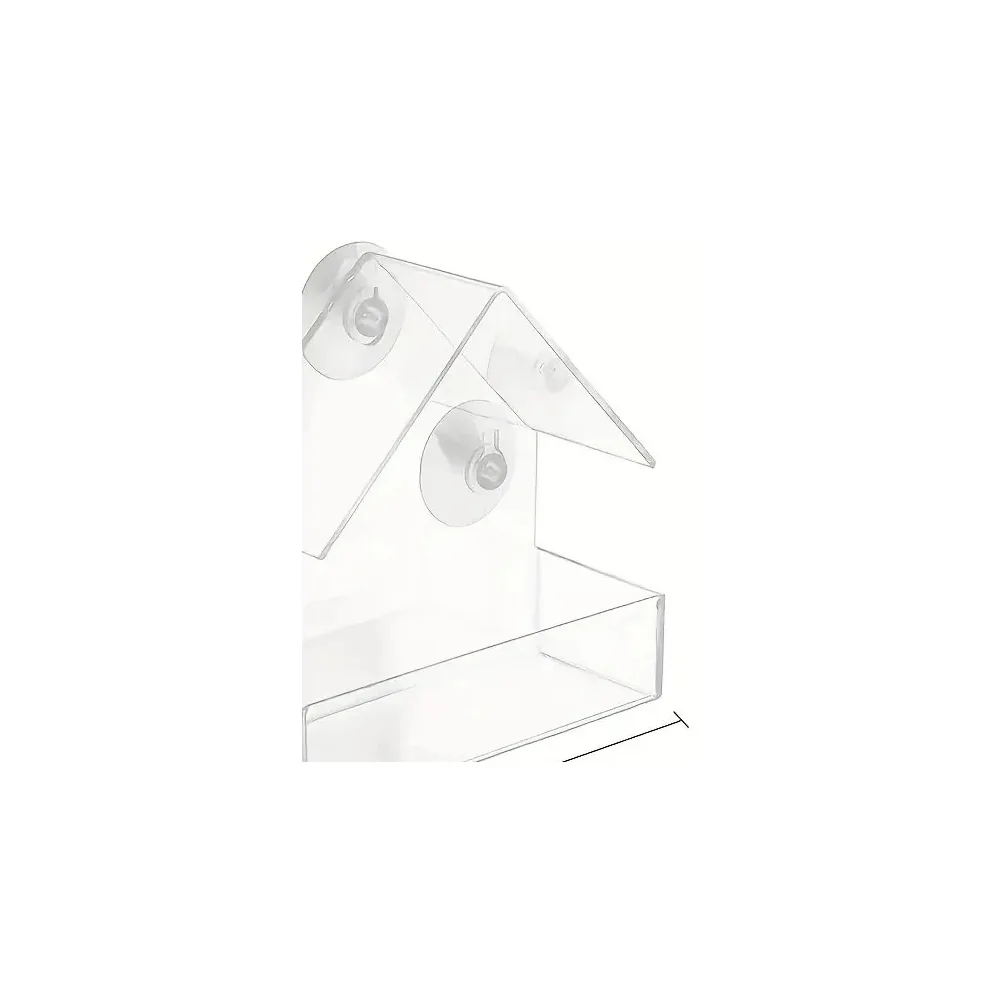
A feeder stuck to the glass puts a blue tit about forty centimetres from your kitchen sink. Clear acrylic, strong suction cups, and a removable tray so you can clean it without going outside. The best possible feeder for a flat, a balcony or a very small garden.
2 items
No matches
Nothing in this range fits every filter at once. Clear one and try again.
Do window bird feeders actually work?
They work well once birds find them, which usually takes a week or two. A clear acrylic feeder on the glass puts a blue tit about forty centimetres from your sink. British Bird Feeders stocks window feeders with strong suction cups and removable trays so you can clean them from inside.
- The best feeder for a flat, a balcony or a very small garden.
- Expect one to two weeks before the first birds commit to it.
- Fit it either very close to the glass or well away — the mid-distance is riskiest for strikes.
- Clean the cups and the glass first; grease is why suction cups fail.
- Removable trays mean you can refill and clean without going outside.
Common questions
Questions about window feeders
A feeder fixed directly to the glass is safer than one a few metres away. Birds leaving it have not built up speed, so collisions are rare and usually harmless. The dangerous distance is the middle range — a feeder five to ten metres from a window gives birds room to accelerate into it.
Usually one to two weeks. Birds are wary of a new feeder against a large reflective surface and of movement behind the glass. Keep it stocked with sunflower hearts, avoid sudden movement at the window for the first few days, and it helps enormously if you already feed elsewhere in the garden.
They fail when the glass or the cup is greasy, or in a hard frost. Clean both with warm soapy water, dry them, then press firmly with a small twist to expel the air. Re-seat the cups every few weeks and expect to press them back on after a very cold night.