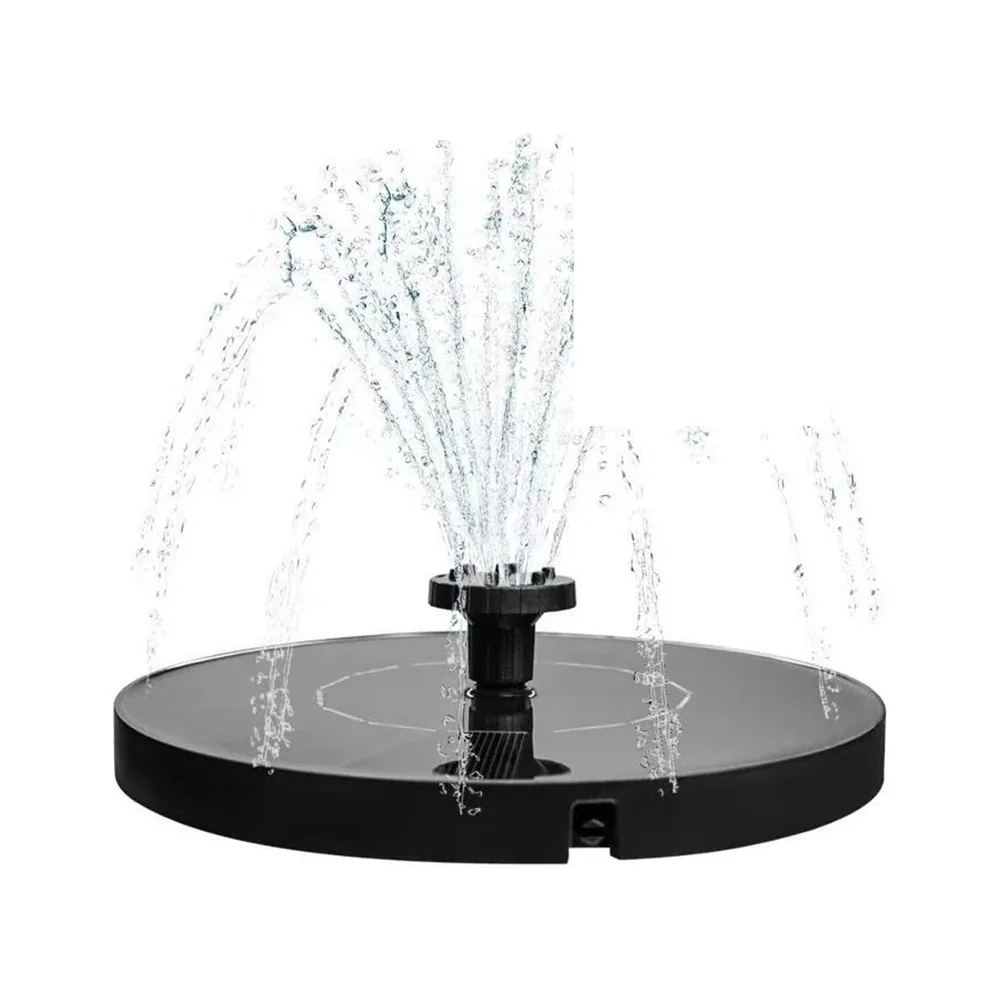
 Solar Fountain for Your Bird Bath
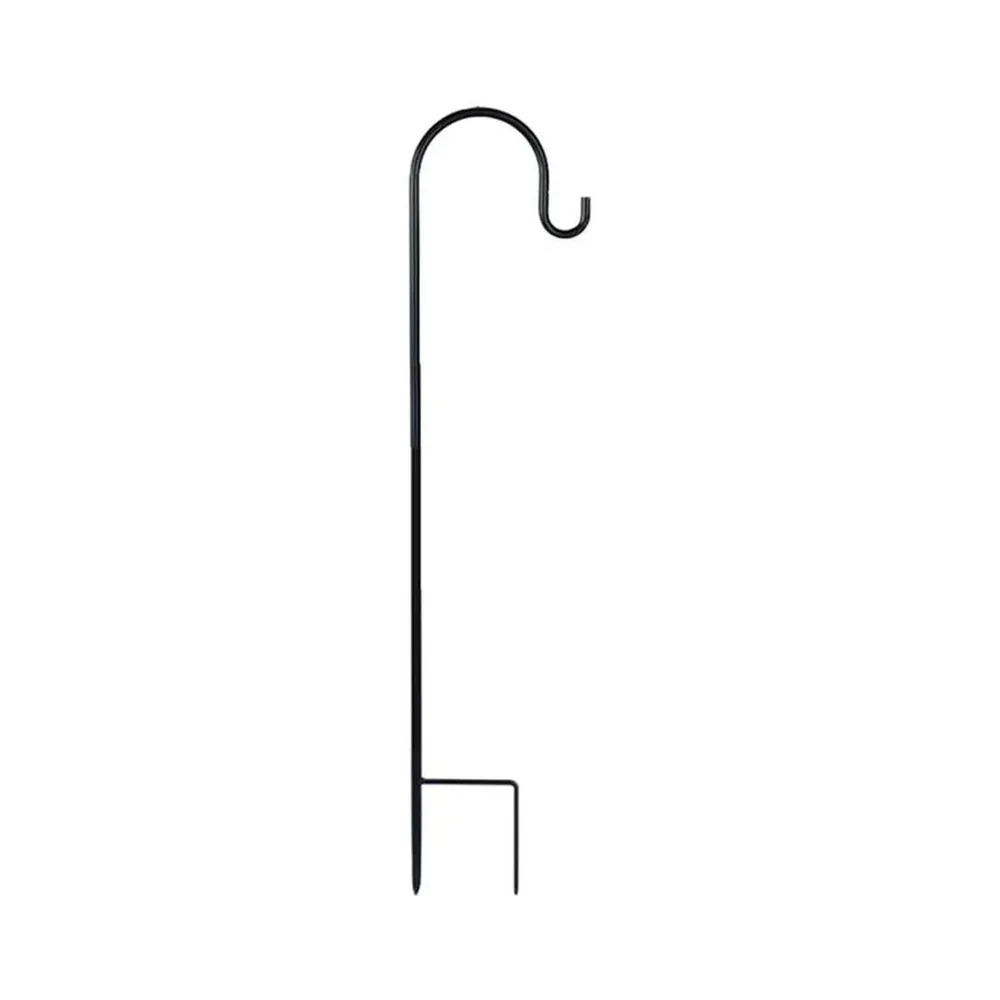 Shepherd Hook Feeder Pole
Metal Feeders
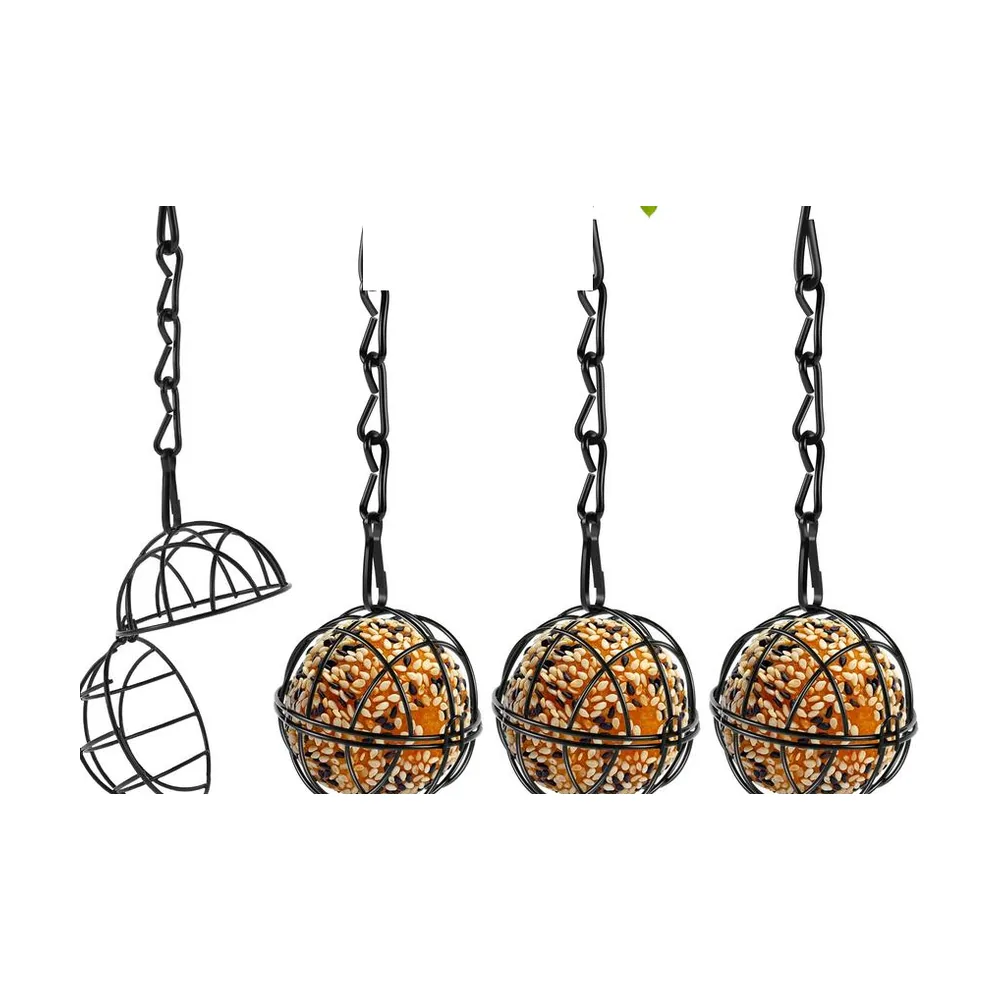
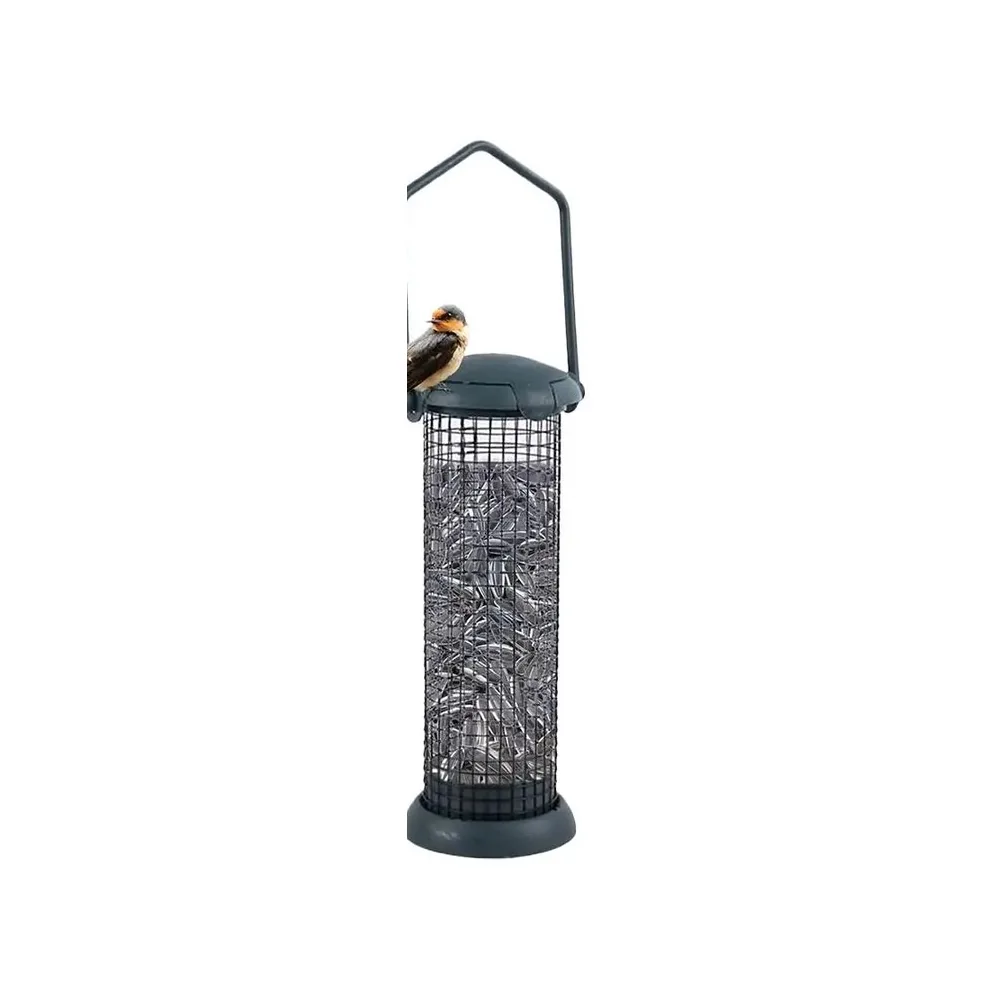
Metal is the honest choice for a British winter: it does not crack in frost, it does not go brittle in sun, and squirrels get much less out of chewing it.
4 items
No matches
Nothing in this range fits every filter at once. Clear one and try again.
Are metal bird feeders worth the extra cost?
In a British climate, usually yes. Plastic goes brittle in frost and chalky in sun, and squirrels chew straight through it. British Bird Feeders stocks metal cage and mesh feeders that survive several winters, resist gnawing, and come apart properly for the cleaning that actually protects the birds.
- Metal does not crack in frost or go brittle in summer sun.
- Squirrels get far less out of chewing steel than plastic.
- Powder-coated steel resists rust; check fixings each spring.
- Comes apart for proper cleaning, which plastic feeders often do not.
- One metal feeder usually outlasts three cheap plastic ones.
Common questions
Questions about metal feeders
Powder-coated and galvanised steel feeders hold up for years outdoors. Rust normally starts where the coating is chipped or at the fixings, so check hooks, chains and clips each spring. A bare cast-iron piece will develop a rusty patina, which is expected and does the birds no harm at all.
No. Birds perch on wet metal fences, gates and wires all winter without difficulty, and they only touch a feeder briefly while taking food. Cold metal is not a welfare issue — what matters far more in a hard frost is that the food is dry, plentiful and high in fat.
Take it apart, empty the old seed away from the feeding area, then scrub every surface with hot soapy water and a stiff brush. Rinse thoroughly, dry it completely before refilling, and do this every two weeks — weekly in warm or wet spells when disease spreads fastest between birds.