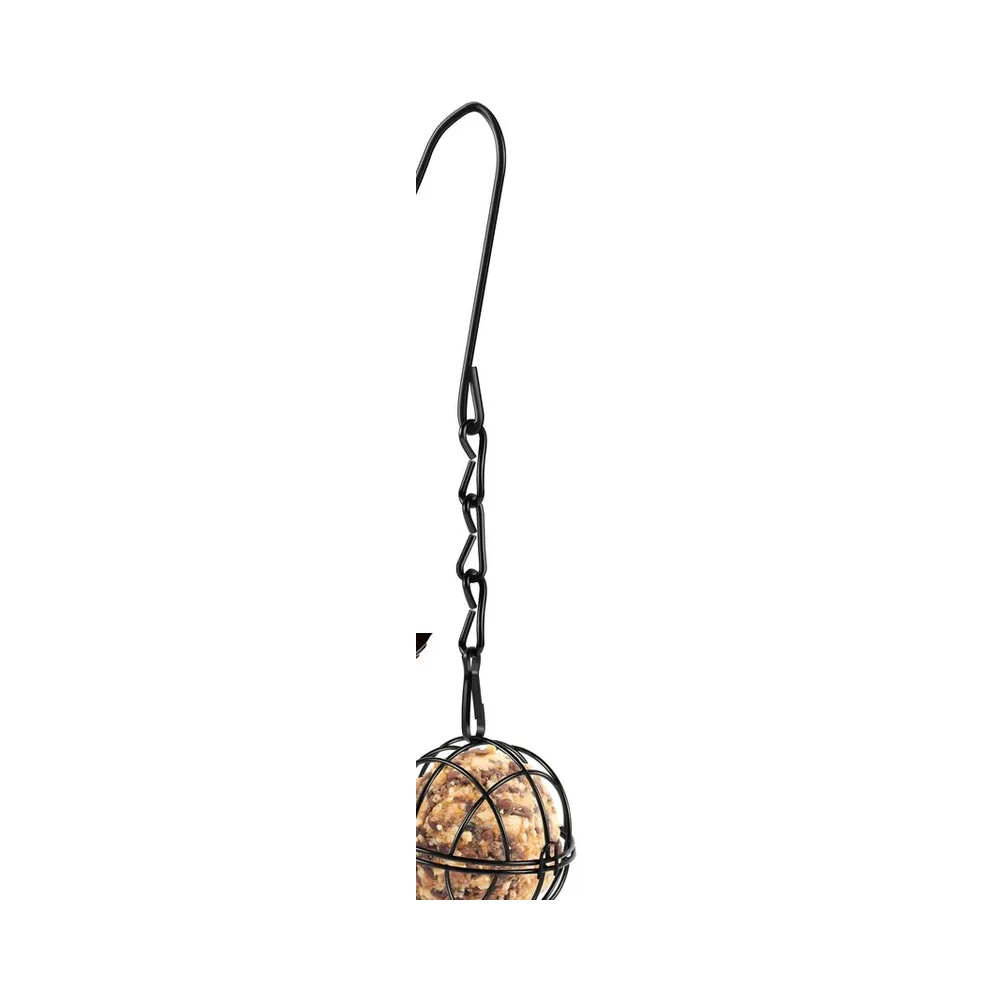
 Hanging Metal Fat Ball Feeders (Set of Four)
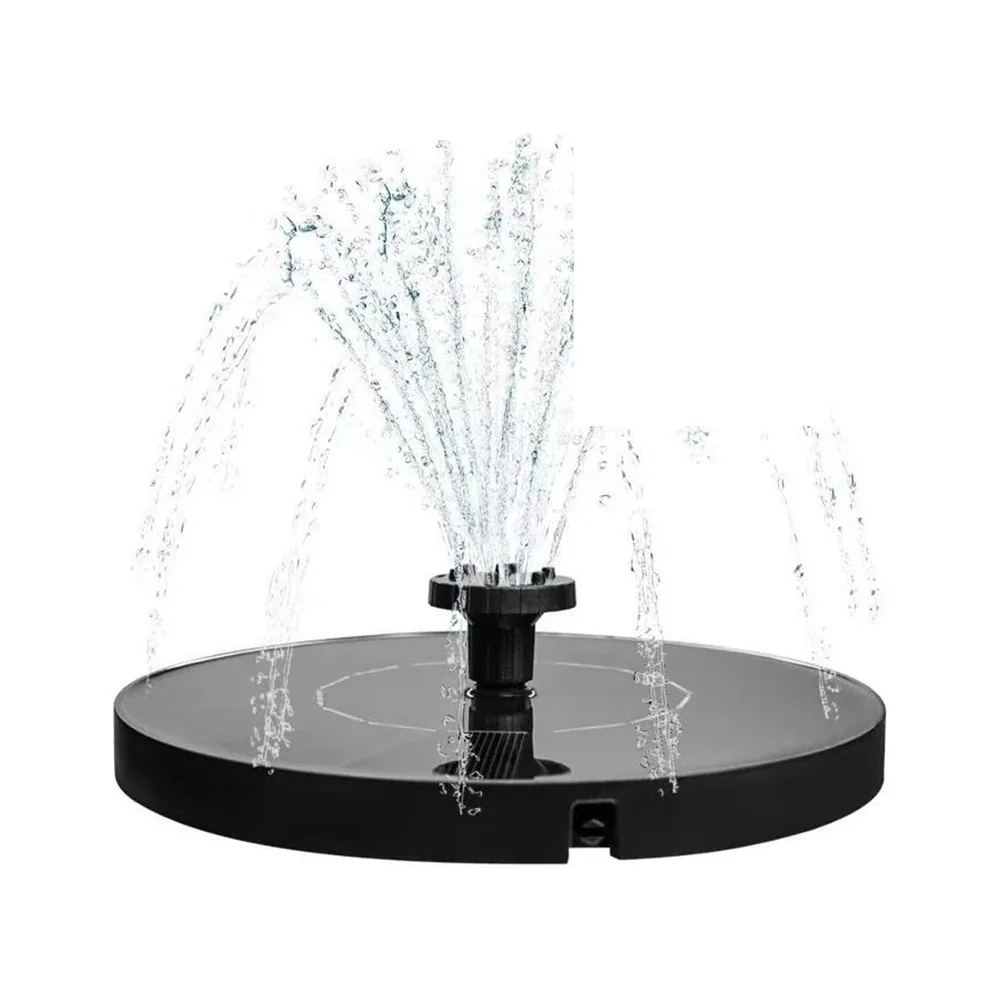 Solar Fountain for Your Bird Bath
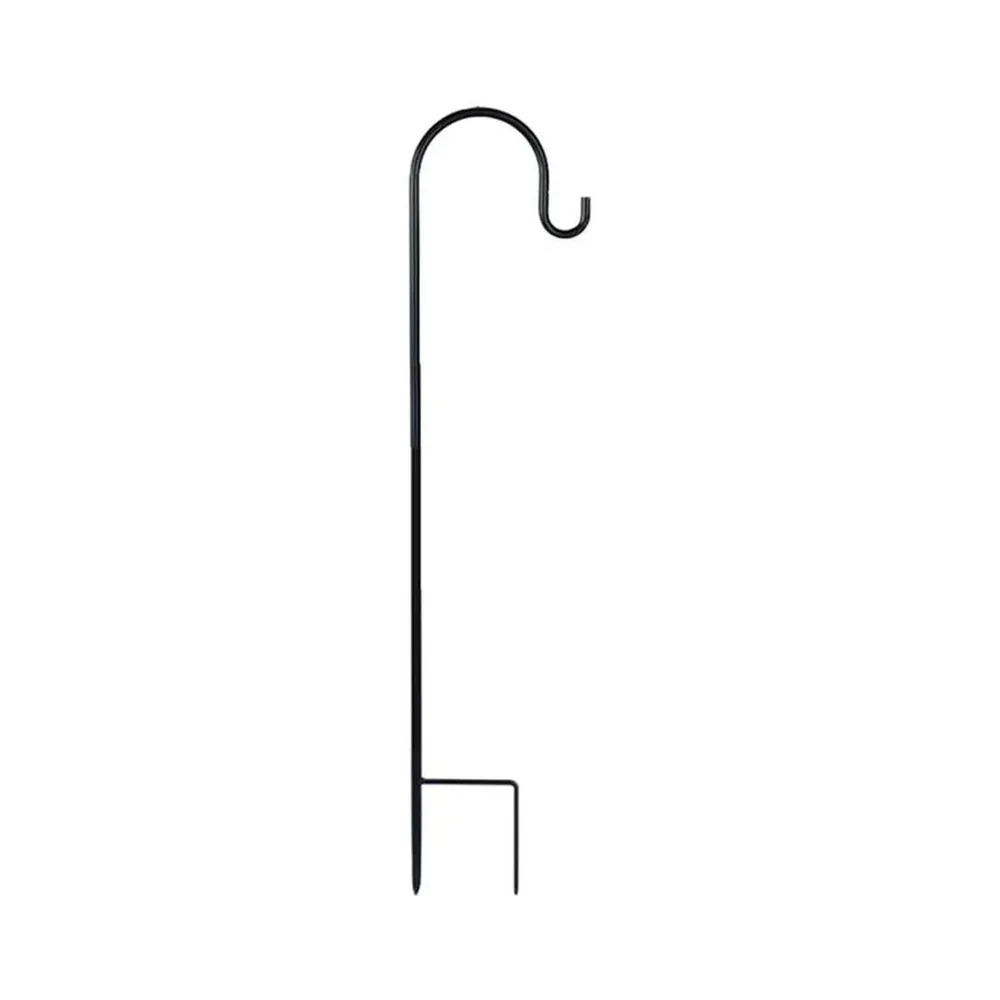 Shepherd Hook Feeder Pole
Which bird visits you?
Start from the bird, not the product. These are the species you are most likely to be looking at from a British kitchen window — what each one eats, and the feeder that suits it.
Robin
Erithacus rubecula
The one everybody knows, and the one that decides your garden is his. Robins are ground feeders at heart, so they want an open tray or a low table rather than a hanging tube they cannot cling to. Put food where he can see all round him and he will be waiting for you by the second morning.
Blue Tit
Cyanistes caeruleus
Small, quick and completely fearless about hanging upside down. Blue tits are the birds a first feeder is really for. They will find a new feeder within days, bring the great tits with them, and work a fat ball down to nothing over a cold week.
Goldfinch
Carduelis carduelis
The bird that turns a feeder into a spectacle. Goldfinches arrive as a charm, all red faces and gold wing bars, and once they trust a garden they rarely leave it. They are the strongest single argument for nyjer seed and sunflower hearts.
Blackbird
Turdus merula
A ground bird through and through. Blackbirds work the lawn and the border edge, and they want food at their level. Scatter feeding suits them, but a low tray keeps it off the wet grass and away from anything else that fancies it.
House Sparrow
Passer domesticus
Sparrows arrive in cheerful gangs and want room to squabble. One small feeder will be mobbed and emptied. Give them width rather than height, and they will bring the whole terrace with them.
Long-tailed Tit
Aegithalos caudatus
They come through in a flock of eight or ten, work every feeder in ninety seconds, and are gone. Fat and suet are what hold them. If you get long-tailed tits regularly, your garden is doing something right.