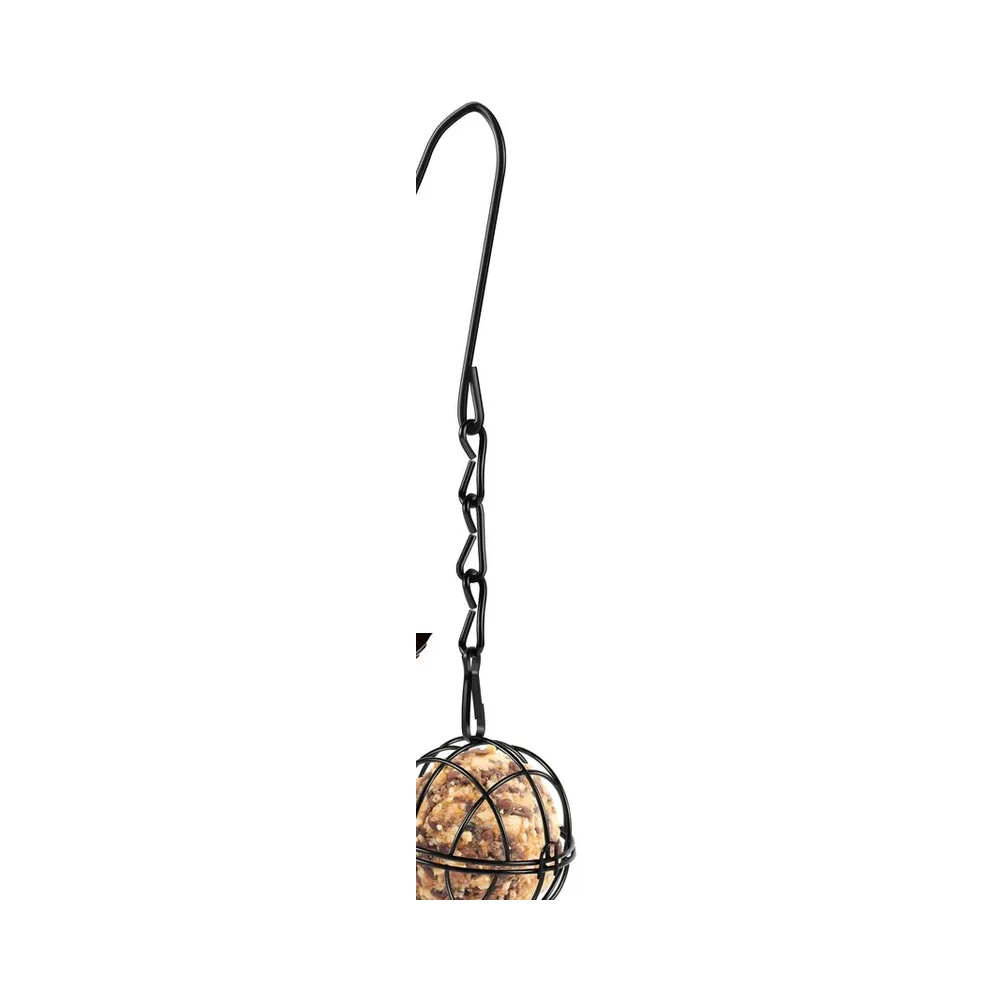
 Hanging Metal Fat Ball Feeders (Set of Four)
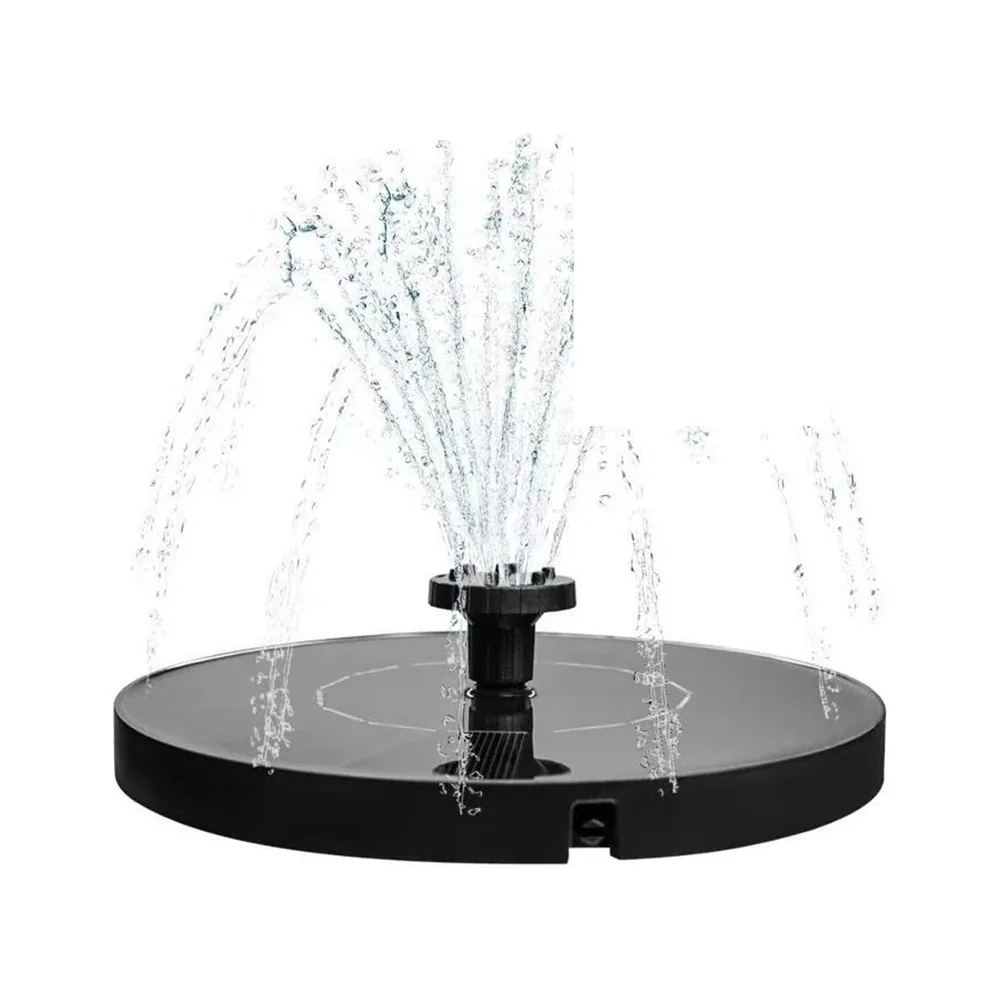 Solar Fountain for Your Bird Bath
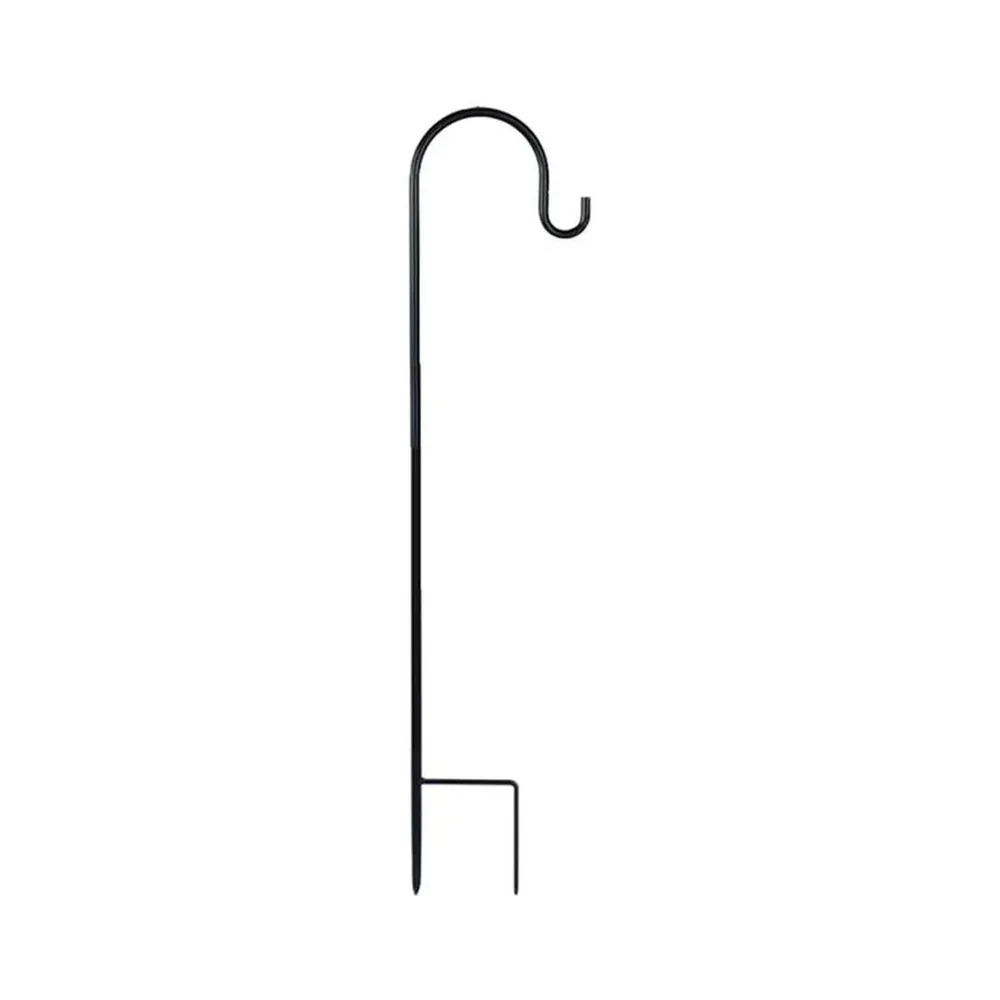 Shepherd Hook Feeder Pole
Quick answer: Most solar fountains that stop working have one of four faults: the panel is in partial shade or dirty, the water level has dropped below the pump, the filter or nozzle is clogged, or there is simply not enough sun. Clean the panel and pump, top up the water, and test it in full midday sun.
A solar fountain is about the simplest machine in the garden: a panel, a small pump and nothing in between. That is good news when it stops, because there are only a handful of things that can be wrong, and nearly all of them take five minutes and no tools to put right.
Work through the checks below in order. They are arranged by how often each one turns out to be the culprit, so most fountains are running again before you reach the halfway point.
The sixty-second check
Before taking anything apart, run through this list. It solves the majority of "dead" fountains on its own.
- Is it midday and genuinely sunny? Test in full sun, not on a bright overcast day.
- Is any part of the panel shaded? A shadow across one corner can be enough.
- Is the panel clean? Look for dust, pollen and bird droppings.
- Is the pump under water? It needs to be fully submerged.
- Is the cable plugged in firmly? Kits with a separate panel have a push-fit connector.
1. Put the panel in full, direct sun
This is the fault most often mistaken for a broken pump. Most floating fountains have no battery, so the pump only runs while strong light is actually falling on the panel. Thin cloud turns a jet into a dribble, and heavy cloud stops it completely.
Partial shade matters more than people expect. The cells in a small panel are wired in a chain, so a shadow over a few of them drags down the output of the whole panel. A branch, a fence post or the rim of the bath itself can be enough to stop the spray.
Glass is the other trap. A panel tested on a sunny windowsill indoors will often do nothing, because window glass filters out much of the light it needs. Always test outside, at midday, with the panel tilted squarely towards the sun.
2. Clean the panel
A film of dust, pollen or dried rain spots cuts the light reaching the cells, and a single bird dropping on a palm-sized panel can stop a fountain on its own. Birds perch on the rim of a bath, so floating panels get dirty quickly.
Wipe the panel with a soft cloth and plain water. Avoid scouring pads and household cleaners, which scratch or cloud the surface and permanently reduce the output. A quick wipe every time you change the bath water keeps this from ever becoming a problem.
3. Top up the water
The pump has to sit fully under water. If the level drops, it sucks air, the spray splutters and then stops, and a pump left running dry in hot sun can overheat and fail for good.
A fountain loses water far faster than a still bath. The spray evaporates, the wind carries droplets over the rim, and the birds splash the rest out. In a warm spell, check the level every day and top it up with fresh water.
Floating models also need enough depth to float freely. In a very shallow dish they settle on the bottom, the pump inlet is starved, and the spray fails. A wider, deeper bowl such as one of our pedestal bird baths gives a floating pump room to work.
4. Clear the filter and impeller
If the panel is clean, the sun is out and the pump is under water but nothing happens, the pump is probably clogged. Algae, seed husks, feathers and grit are all drawn towards the inlet.
Most small pumps come apart by hand. Pull off the front cover, rinse the sponge filter under the tap, and ease out the small magnetic impeller. Clean the impeller and the chamber it sits in with an old toothbrush or a cotton bud, then push everything back together.
Do this every few weeks through the summer and the pump will outlast most of the ones that fail. Grit wearing the impeller is the most common reason a pump dies young.
5. Descale a blocked nozzle
In hard-water areas, a white crust builds up on the nozzle heads and slowly narrows the holes until the spray is weak, lopsided or gone. You can usually see it once you look closely.
Soak the nozzles and the impeller in a mix of one part white vinegar to two parts water for an hour, then brush the crust away. Rinse everything very thoroughly in clean water before it goes back into the bath, because birds drink from it.
6. Stop it pinning itself to the side
A floating fountain drifts. Once it lodges against the rim of the bowl, the spray hits the edge, water is thrown out of the bath, and a tilted panel catches less sun. Owners often read this as a pump that has lost power.
A wider bowl gives the fountain room to move, and many kits include small suction cups or a stake to hold the unit in place. A solar panel pump with a hose avoids the problem entirely, because the pump sits still on the bottom and only the water moves.
7. Check the cable and connector
Kits with a separate panel, such as the solar fountain pump kit, have a cable and a push-fit plug between the panel and the pump. A plug that has worked loose, or water in the connector, stops everything.
Unplug it, dry both halves, and push the plug home firmly. Then run your fingers along the cable. Squirrels, foxes and the occasional strimmer all damage garden cables, and a cut cable cannot be safely repaired outdoors.
8. Allow for the season
From autumn onwards the sun sits low and the days are short, so even a spotless fountain runs for far fewer hours. A spray that was strong in June and weak in late September is usually just the calendar, not a fault.
Water freezing inside the pump can crack the housing, so bring it indoors before the first frosts, clean it, dry it and store it somewhere frost-free. Birds still need water through winter, so keep the bath itself going: our complete water guide covers keeping it ice-free.
Where the fountain is sited matters too
A lot of fountain trouble starts with where the bath stands. Birds want a bath in the open with cover a short hop away, which is often exactly where the panel gets afternoon shade. Our post on where to place a bird bath explains how to balance the two.
If the only safe spot for birds is shaded, separate the jobs: put the bath where the birds want it and run a cable to a panel standing in the sun. That single change fixes more "broken" fountains than any cleaning routine.
Repair or replace?
Replace the unit if the panel is cracked, the cable is cut, or a clean pump in full sun with fresh water still does nothing. Otherwise it is almost always worth another clean.
- For an existing bath: a floating solar fountain pump drops straight in.
- For a shaded bath: choose a kit with the panel on its own cable.
- For a complete setup: the large solar bird bath fountain comes with bowl and pump together.
- To compare everything: browse the full solar fountain bird bath range.
A fountain that is kept clean, topped up and sited in the sun will run happily all summer. When it stops, start with the sun and the water, not the pump. Nine times out of ten the fix is a cloth, a jug and five minutes.
Frequently asked questions
Why does my solar fountain keep stopping and starting? Almost always because the sun is coming and going. Most floating solar pumps have no battery, so the spray follows the light second by second: a passing cloud or the shadow of a branch stops it, and it restarts a few seconds after the panel is lit again. That is normal behaviour, not a fault.
Will a solar fountain work in the shade? No. Even partial shade across one corner of the panel can cut the output enough to stop the pump. If your bird bath has to stand in shade, choose a kit with the panel on a separate cable, so the panel can sit in full sun while the bath stays under cover.
Should I leave a solar fountain out over winter? It is better brought in. Low winter sun rarely drives the pump for long, and water freezing inside the pump housing can crack it. Clean it, dry it and store it somewhere frost-free from late autumn, then put it back out when the days lengthen in spring.
How long does a solar fountain pump last? With regular cleaning and dry winter storage, several seasons. The usual end is a worn impeller, a panel cracked by frost or a knock, or a cable chewed through in the garden. A pump that has never been cleaned tends to fail far sooner, because grit wears the impeller.
About the author Eirwen Davies — The quiet pleasures of a wildlife garden Eirwen is a nature writer from mid-Wales and a former primary school teacher who now runs gentle wildlife workshops in her village. She cares deeply about the small things, like a clean bird bath on a frosty morning. Writing for British Bird Feeders.