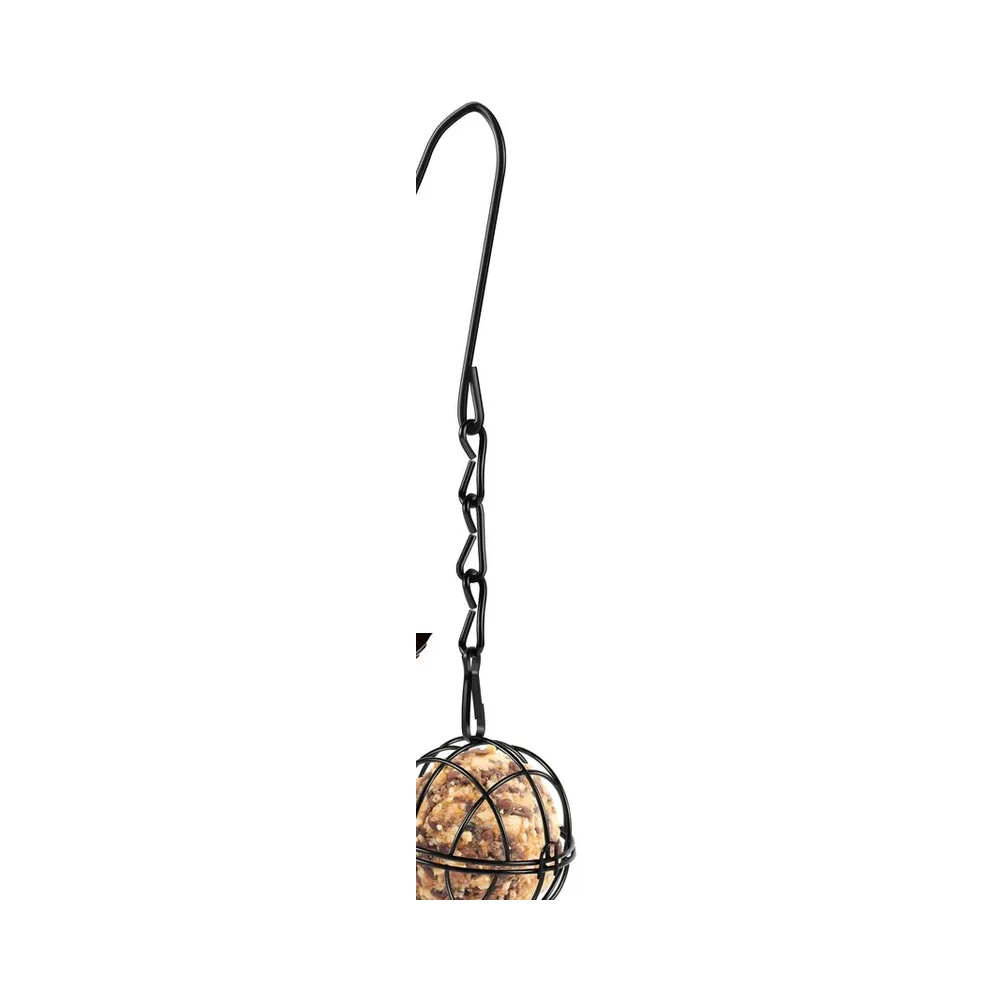
 Hanging Metal Fat Ball Feeders (Set of Four)
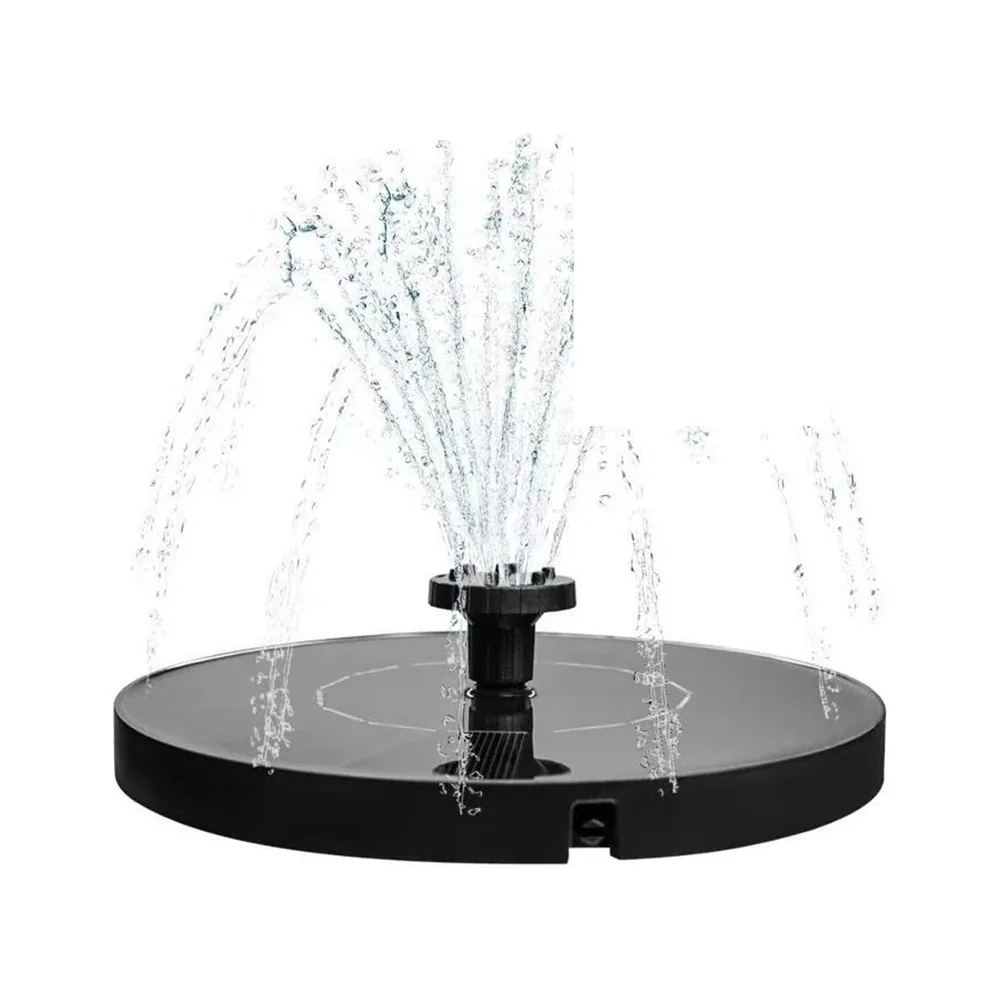 Solar Fountain for Your Bird Bath
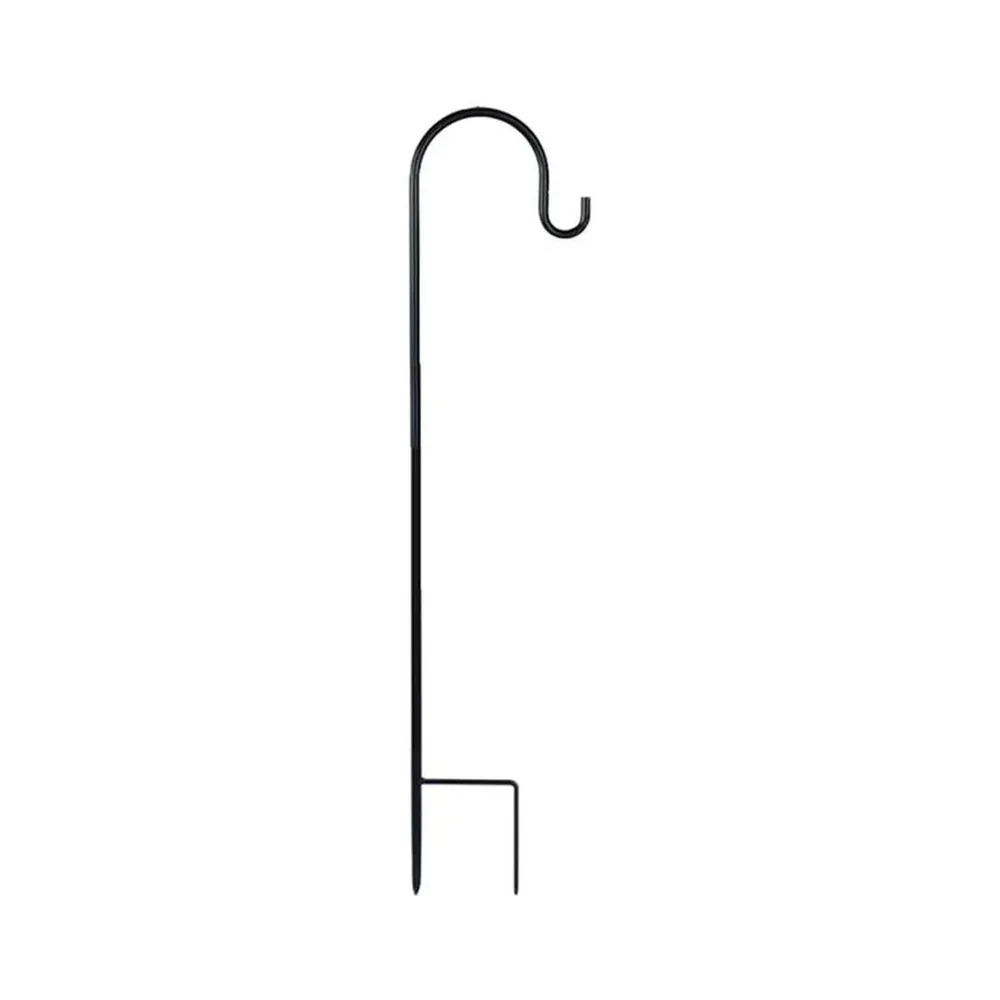 Shepherd Hook Feeder Pole
Peanuts were the first thing I ever put out, in a mesh feeder my grandmother gave me, and the blue tits found it in three days.
They are still one of the best winter foods you can offer. They are also the one most often handled badly, and the mistakes are the kind that hurt birds rather than just wasting money.
So: what to know.
Why the mesh matters so much
A peanut is roughly the size of a blue tit's head. An adult bird can manage one. A chick in the nest cannot, and in spring an adult will carry whatever it finds straight back to the nest.
A mesh feeder removes the possibility entirely. The bird has to peck fragments off through the mesh, and no whole nut ever leaves the feeder.
The gap size is the whole design. Around six millimetres is right: big enough for a bird to work at, too small for a nut to come through.
Never put whole peanuts on a bird table or scatter them on the ground, at any time of year. It is the one hard rule in peanut feeding.
The aflatoxin problem
This is the part most people have never heard of, and it matters.
Peanuts can carry aflatoxin, a toxin produced by mould that grows during storage. It is invisible, has no smell, and is harmful to birds in small quantities.
Peanuts sold specifically for wild birds are batch-tested for it. Peanuts sold for humans are processed and salted rather than tested for this, and loose bulk nuts of unknown origin are the riskiest of all.
Buy bird-grade. It is not marketing.
And obviously: never salted, never dry-roasted, never flavoured. Birds cannot process salt.
Who actually turns up
In my garden, in rough order of enthusiasm:
- Blue tits and great tits — constant, all winter.
- Coal tits — grab a fragment and hide it somewhere. They cache obsessively.
- Greenfinches — heavier, will hold a spot and see everything else off.
- House sparrows — in gangs, if you have them.
- Great spotted woodpecker — the one everybody wants. Give it a fortnight and a quiet position.
- Nuthatch — if you are lucky enough to have them locally.
Notice who is missing. Robins, blackbirds and dunnocks cannot cling, so they will only pick up fragments dropped underneath. A catcher tray turns that scatter into a second feeding station for them.
Keeping them dry
Peanuts absorb water and go mouldy faster than seed does. A mouldy peanut feeder is worse than no feeder at all.
Practical measures:
- Fill it part-way so the contents turn over in a few days.
- Hang it somewhere with a bit of shelter rather than in the open rain.
- If the nuts clump or smell, empty the whole thing, wash it, dry it and start again.
Steel is the right material here. Plastic mesh gets chewed by squirrels within a season, and metal feeders come apart properly for the cleaning peanuts demand.
Cleaning, honestly
Every two weeks, and weekly in mild damp weather.
Take it apart, scrub the mesh with hot soapy water and a stiff brush, rinse it, and let it dry completely before refilling. The mesh is the bit that matters — oily residue builds up in the corners and that is where mould starts.
Siting
Same rules as any hanging feeder. Two metres clear of any fence or branch a squirrel could launch from, 1.5 to 2 metres off the ground, and cover a few metres away so birds can queue somewhere safe.
Woodpeckers in particular want a quiet position with a tree in sight. Mine ignored a feeder by the patio for a year and used one by the hedge within a week.
If squirrels are the problem, a pole and a baffle beat any feeder design — the full sequence is here.
When to stop
You do not need to. A mesh peanut feeder is safe all year, because the mesh handles the chick problem for you.
What changes in spring is everything else: no whole nuts anywhere, no large hard fat lumps, and water becomes as important as food. There is more in the seasonal guide, and the rest of this series is at which feeder for which food.
When the mesh starts to go
A peanut feeder is the one type where the failure is gradual and easy to miss, because the mesh wears rather than breaking.
Watch for two things. Spot welds giving way, usually where the mesh meets the base or the rim, which opens a gap a whole nut can come through — and a whole nut is precisely what the mesh exists to prevent, particularly in the nesting season. And a mesh that has been worked at by a squirrel until the gaps have widened at one point.
Run a finger round the seams every few weeks and look at the feeder against the light: an enlarged or distorted section is obvious once you look for it. A mesh feeder that has started to open up is not a feeder that needs watching, it is one to replace, because the risk it creates is exactly the one it was bought to remove.