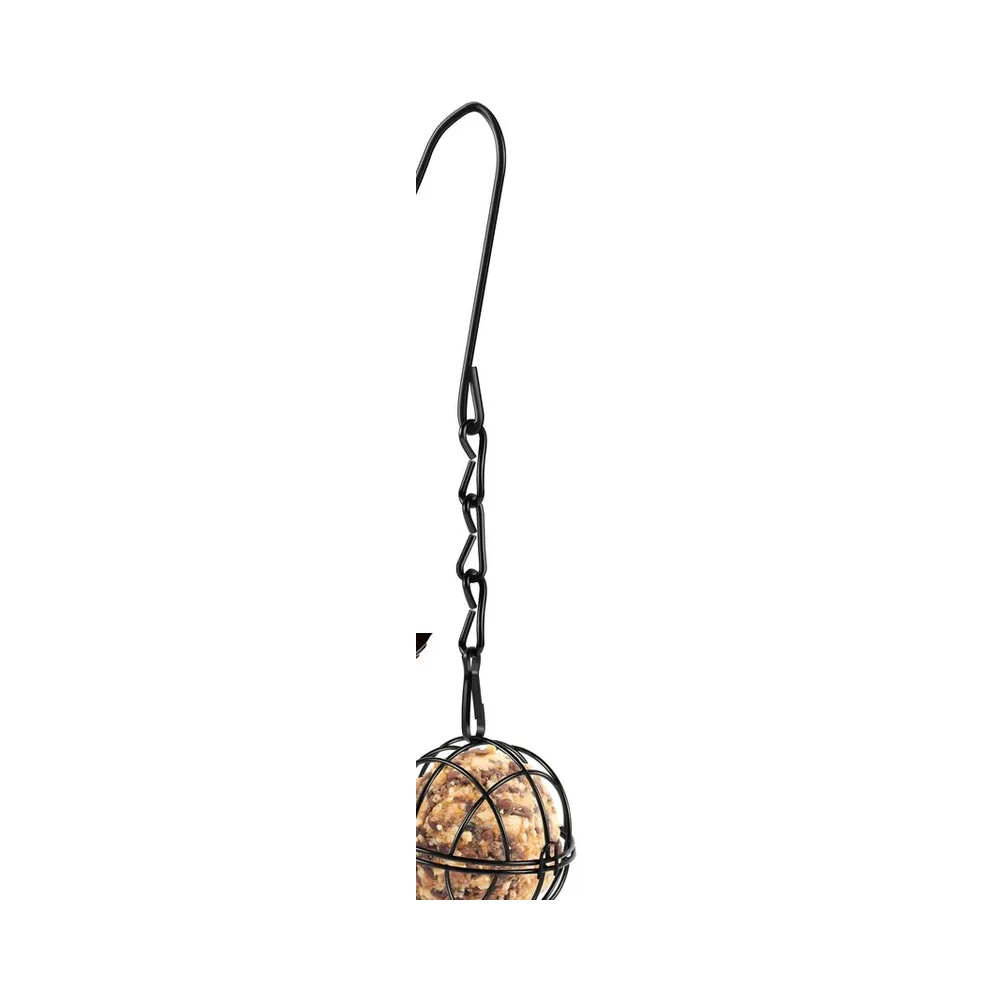
 Hanging Metal Fat Ball Feeders (Set of Four)
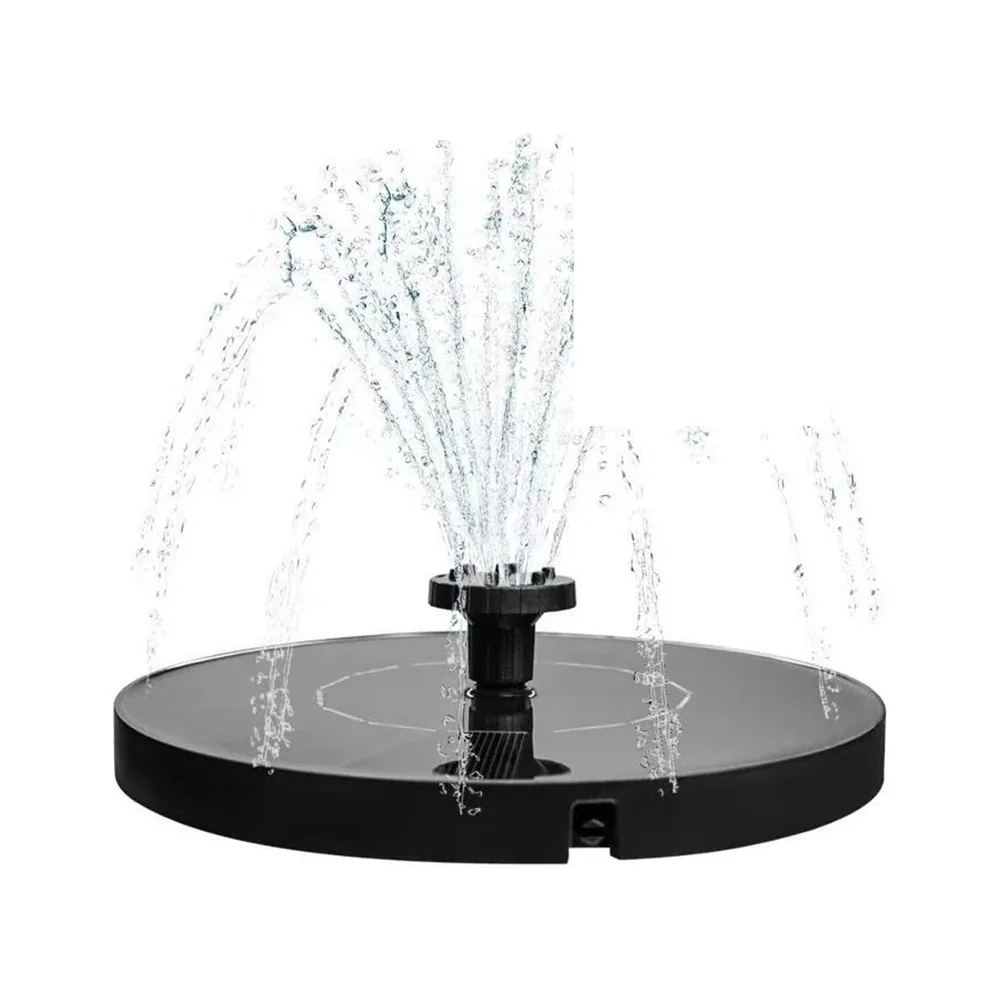 Solar Fountain for Your Bird Bath
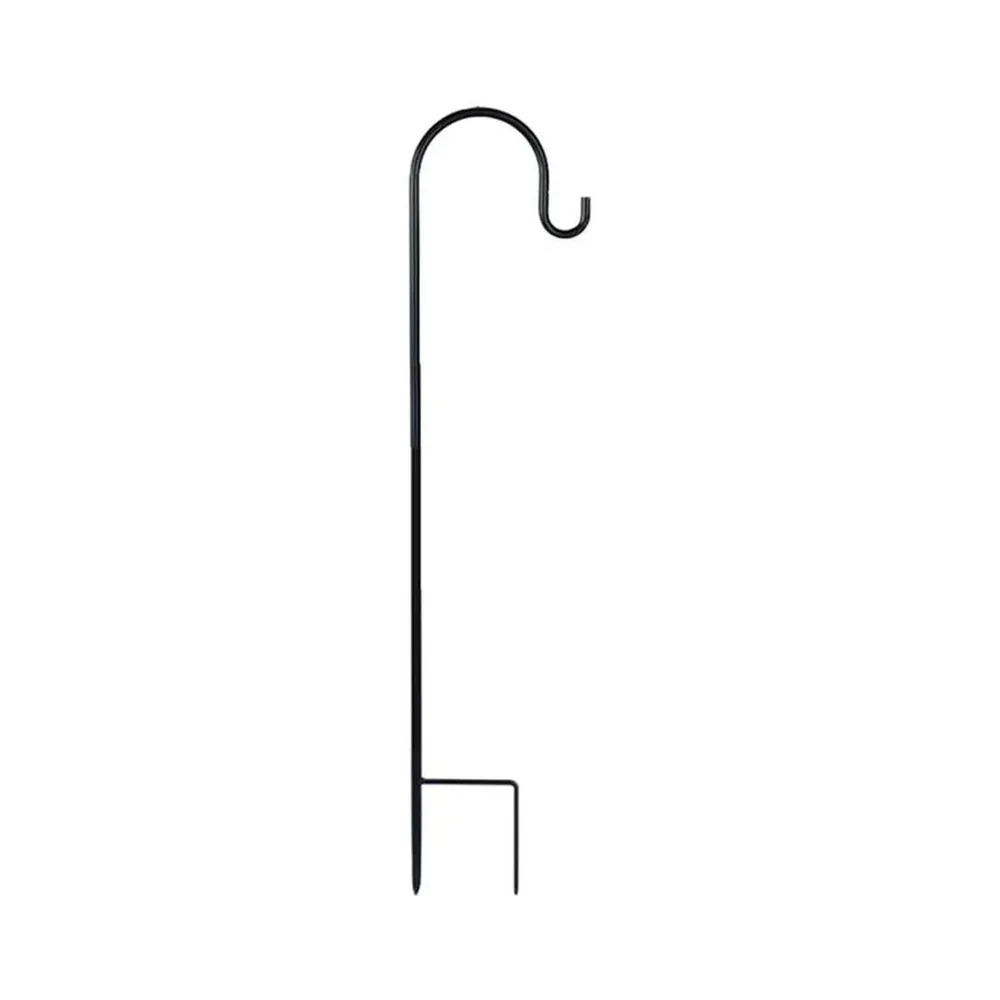 Shepherd Hook Feeder Pole
Almost everyone does this in the wrong order. Feeder gets raided, feeder gets replaced, new feeder gets raided.
The order that works is the reverse. Change where it is, then what holds it up, then what it is made of. Buying is the last step, not the first.
Here is the sequence I use, and I have had a lot of practice.
Step one: measure the jump
Go and stand at your feeder. Look around at everything within about two metres.
Fence panel? Shed roof? Washing line post? The trunk of the tree it is hanging in? A wall, a water butt, the top of a hedge?
Every one of those is a launch pad. A grey squirrel clears roughly two metres horizontally from standing, and dropping down from something higher it will manage a good deal more, landing hard and not caring.
If there is anything solid within two metres, you do not have a feeder problem. You have a location problem.
Step two: move it into the open
Open lawn. Middle of the border. Anywhere with two metres of nothing on all sides and nothing overhanging.
This is the single change that fixes the most gardens, and it costs nothing. If the only open spot has no branch to hang from, that is what a shepherd hook pole is for. Push it in to at least a third of its length so it does not lean.
A pole has a second advantage that matters shortly: it gives you a smooth vertical surface, which a tree trunk never will.
Step three: fit a baffle, and fit it high enough
A baffle is a dome or cone on the pole under the feeder. The squirrel climbs, hits a smooth sloping surface, gets no purchase and slides off.
They work extremely well. They also fail constantly, and nearly always for the same reason: they are mounted too low, so the animal simply jumps over the whole thing from the ground.
Get the baffle at least 1.2 metres above ground. Higher if you have a big confident squirrel and a flat lawn to run at it from.
We do not stock baffles yet, and I would rather tell you that than steer you at something else. Any garden centre has them. The full pest-proofing guide has more on fitting one.
Step four: change what the feeder is made of
If it is plastic, it is on a countdown. Squirrel incisors grow continuously and need wearing down, and your feeder is a convenient whetstone.
A steel feeder removes that option entirely. It will get shaken and hung off, but it will not get opened.
If you also want starlings and pigeons off, go a step further to a cage design with gaps of around four centimetres — small birds through, everything else out. Our caged fat ball feeders work this way.
Step five: deal with the spill
Here is the bit people skip.
Even a squirrel-proof feeder scatters seed. That seed lands on the grass, and now you are feeding squirrels on the ground while congratulating yourself on the feeder. Rats turn up for the same reason, which is a considerably less charming problem.
Two fixes, and use both. Fit a catcher tray under the feeder. And switch to sunflower hearts, which are husked already, so there is nothing to drop.
Things that do not work
I have tried most of them.
- Greasing the pole. Works for about a day, then collects dust and grit and becomes a climbing surface again. It also gets on feathers, which is genuinely bad for the bird.
- Slinkies on the pole. Entertaining. Not reliable, and they tangle.
- Hanging the feeder from fishing line. They walk it. I have watched one do it upside down.
- Moving it three feet. Not far enough. It has to be two metres of genuine clearance.
The one unconventional thing that does work is chilli. Birds have no receptor for capsaicin and cannot taste it; mammals very much can. Chilli-treated seed is safe and it does put squirrels off. It is a layer, not a solution.
A quick sanity check
Run through this and be honest about each one:
- Two metres clear on every side, including above?
- Smooth pole rather than a trunk or a fence?
- Baffle at 1.2 metres or higher?
- Feeder made of steel rather than plastic?
- Tray fitted, ground swept?
Five yeses and the squirrels move on to next door. Four and you will hold most days. Three and you are still, technically, running a squirrel feeder.
The rest of this series is at squirrel and pest-proofing, and there is a related piece on whether baffles actually work that goes deeper on the hardware itself.
Doing it in stages, and knowing when to stop
Everything here can be done at once, and it is usually cheaper to do it in order and stop as soon as the problem goes away.
Start with placement, because it is free. Simply moving a feeder into open ground, away from fences and overhanging branches, solves the problem outright in a fair number of gardens and costs nothing but an afternoon.
If that is not possible or not enough, a cage is the next step and it is the one with the best return: it handles squirrels, pigeons, starlings and corvids together, and universal cages fit feeders you already own.
A pole and baffle is the third step, and it is the right one if you cannot get clearance any other way or if the squirrels are climbing rather than jumping. Replacing plastic feeders with metal is the last, and it only matters once they are already reaching the feeder.
Work down that list and most gardens stop at step one or two. Starting at the bottom means buying hardware to fix a problem that moving a hook would have solved.