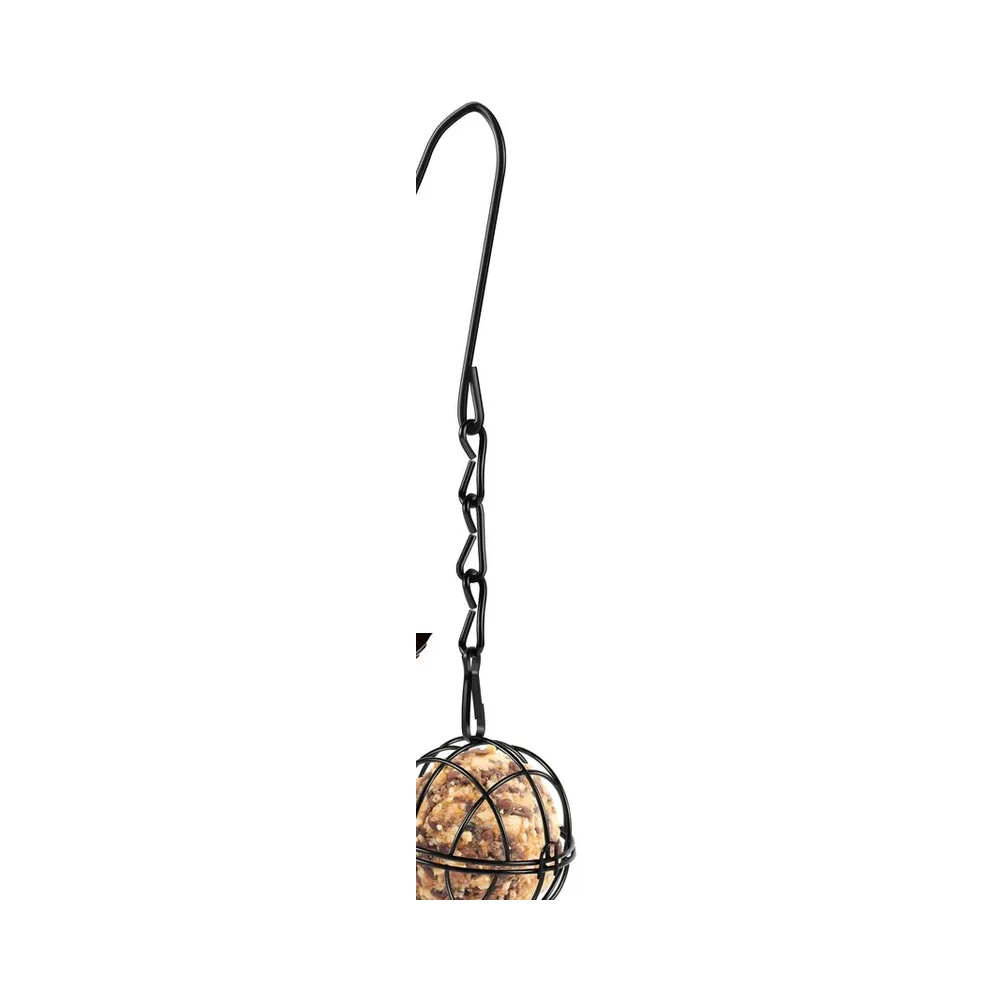
 Hanging Metal Fat Ball Feeders (Set of Four)
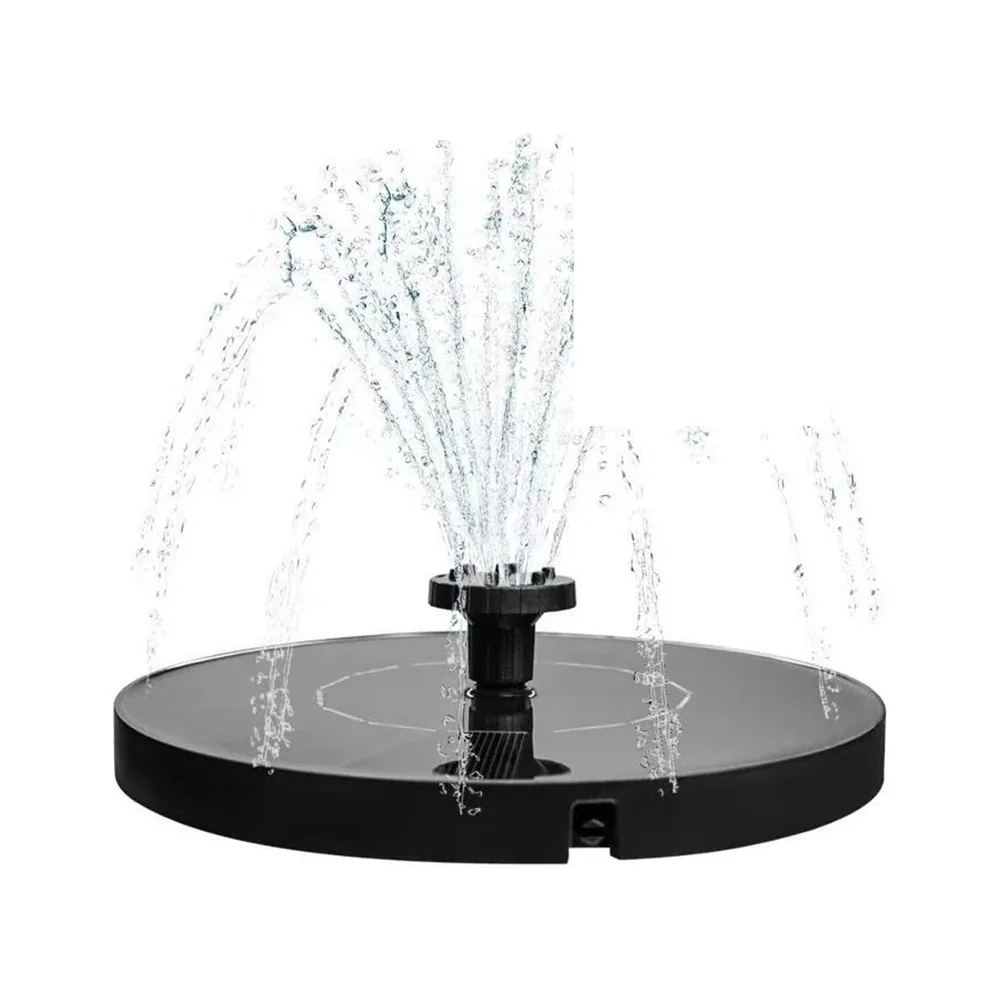 Solar Fountain for Your Bird Bath
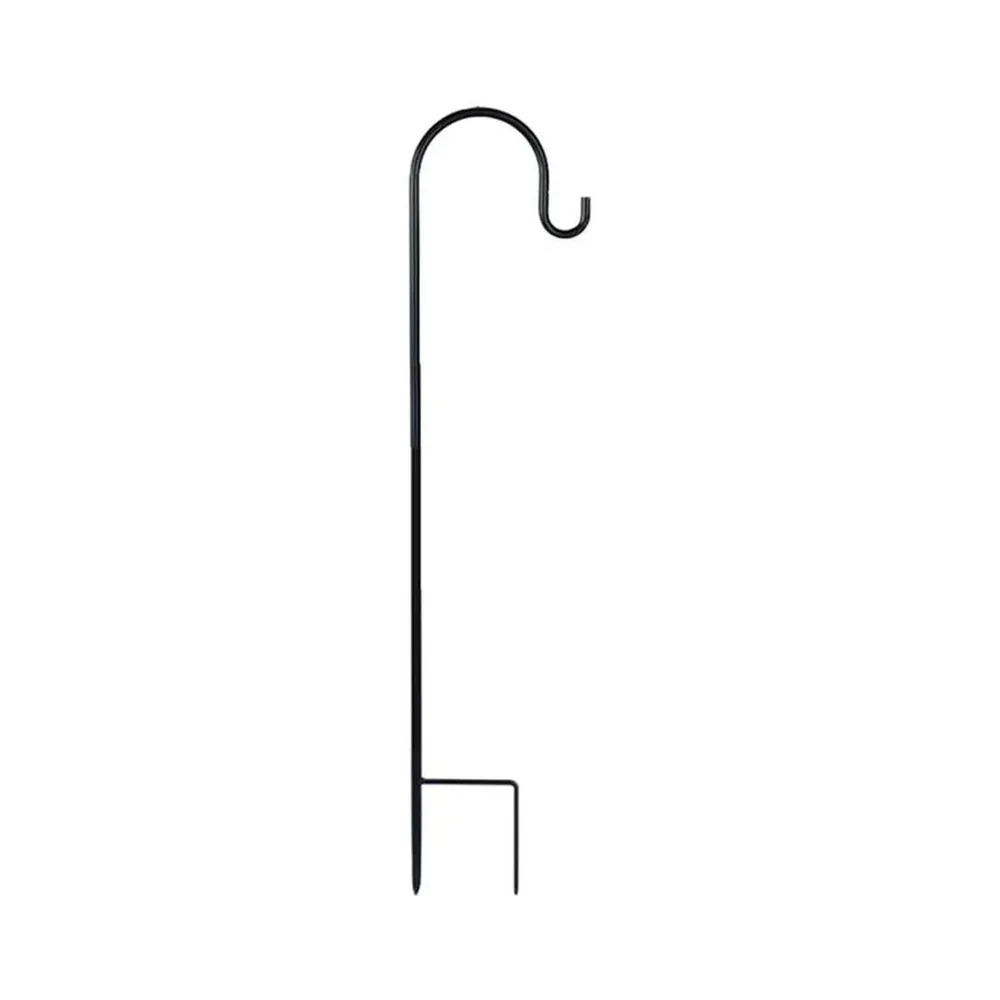 Shepherd Hook Feeder Pole
There is a particular week in late September when the light changes and you can feel the year turning. That is the week I do the bird jobs.
Not because anything is urgent yet, but because everything on this list is easier now than it will be in December, standing in the dark with cold hands.
Six jobs. None of them takes long.
1. Deep-clean everything
This is the one that matters most and the one most often skipped.
Take every feeder fully apart. Tip old seed away from the feeding area, scrub every surface with hot soapy water and a stiff brush, rinse thoroughly, and — this is the important bit — let it dry completely before it goes back out.
In September things dry in an afternoon. In December they do not dry at all, and a damp feeder grows mould that spreads disease through exactly the birds you are trying to help.
Do the bird bath at the same time. Stiff brush, hot water, no detergent and no algaecide — both are harmful.
2. Move the feeders
Summer siting and winter siting are different things.
In summer you want shade and a bit of distance. In winter you want shelter from the prevailing wind and rain, and a clear view for the birds, because sparrowhawks hunt gardens hard once the leaves are down.
Look for somewhere that has cover a few metres away but nothing right against the feeder. The leaves coming off changes this — a position that felt sheltered in August can be wide open by November.
If you are moving to a new spot with no branch, a shepherd hook goes in easily now while the ground is still soft.
3. Change what is in them
From late September, shift the balance toward fat.
Nights are getting longer and colder, and a small bird has to burn through the whole night on whatever it ate before dusk. A blue tit can lose a tenth of its body weight overnight in a cold snap.
So: fat balls, suet pellets, peanuts, and keep the sunflower hearts going alongside. There is more on the ranking in what to feed garden birds.
4. Sort the water before the frost
Everyone thinks about food and nobody thinks about water until the morning it is a solid disc.
Two things now. Move the bath to the sunniest spot you have, because a couple of hours of low winter sun genuinely delays freezing. And if you have a solar fountain in it, decide whether it is staying — moving water freezes later, but the panel needs proper sun to do anything at all in December.
More on this in the water guide.
5. Resist tidying
This is the job that consists of not doing a job.
Seed heads on teasel, sunflower, evening primrose and knapweed are a free bird feeder that restocks itself. Goldfinches will work a teasel head for days.
Leaf litter under a hedge is where blackbirds and dunnocks find invertebrates all winter. A gravel path swept bare is a path; a leafy hedge bottom is a larder.
Ivy is worth mentioning too. It flowers in autumn when almost nothing else does, and berries in late winter when almost nothing else does either. If you have some, leave it.
6. Check the hardware
Ten minutes with a cup of tea.
- Hooks and chains — rust starts at the fixings, and a full feeder coming down in a gale is a loss you notice.
- Poles — push them back in if they have worked loose over summer.
- Perches and lids — anything cracked will not survive a frost.
- Baffles — still at 1.2 metres, or has the ground built up under it?
Anything plastic that has gone chalky and brittle in summer sun will fail in the first hard frost. Replace it now rather than in January. Metal avoids the whole cycle.
What autumn actually brings in
The garden list changes. Blackcaps increasingly overwinter here rather than migrating, and they will take fat and apple. Redwings and fieldfares come through for berries. Coal tits start caching in earnest — watch one take a sunflower heart and hide it, then come straight back.
And the tit flocks form. From October you get roving parties of blue, great, coal and long-tailed tits moving through together, which is why a feeder can be dead for an hour and then frantic for four minutes.
Then, mostly, stop
That really is it. Once autumn is done properly, winter is just topping up and breaking ice.
The rest of this series is at seasonal feeding, and the year-round guide takes the whole calendar month by month.
Berries, and what to plant now
Autumn is the one month of the year when planting a shrub does more for your winter birds than anything you can hang up, because a bare-root hedging plant put in now roots over winter and is away in spring.
The berries that matter to garden birds run in sequence rather than all at once. Rowan and elder go first, often stripped by early autumn. Hawthorn haws hold into midwinter. Holly and ivy are the late ones, and ivy in particular carries berries through to February when almost nothing else is left — which is exactly when redwings and blackcaps need them.
Bare-root hawthorn, blackthorn and hedging holly are cheap in autumn, far cheaper than potted plants, and three or four in a gap will make a difference within a couple of seasons.
And leave the seed heads standing. Teasel, sunflower, knapweed and grasses all feed finches through the winter, and cutting the border back tidily in October removes food you would otherwise be buying.