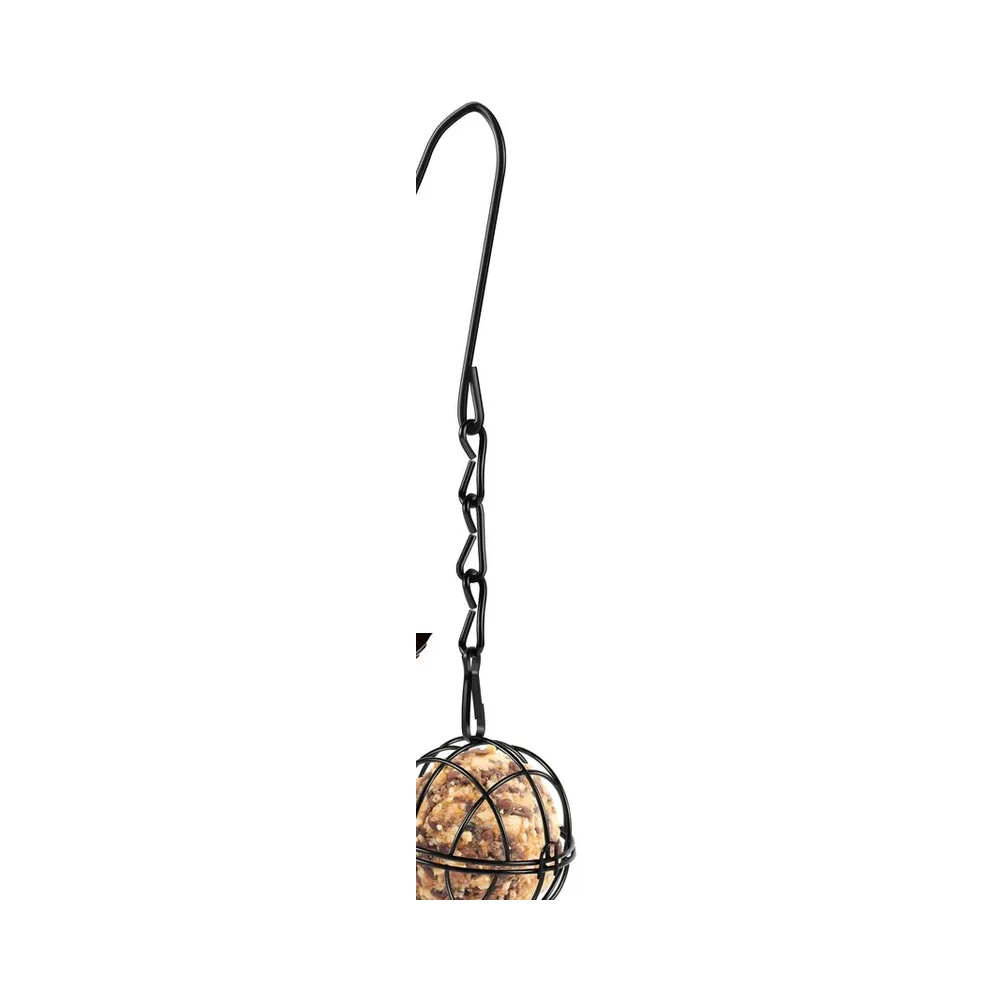
 Hanging Metal Fat Ball Feeders (Set of Four)
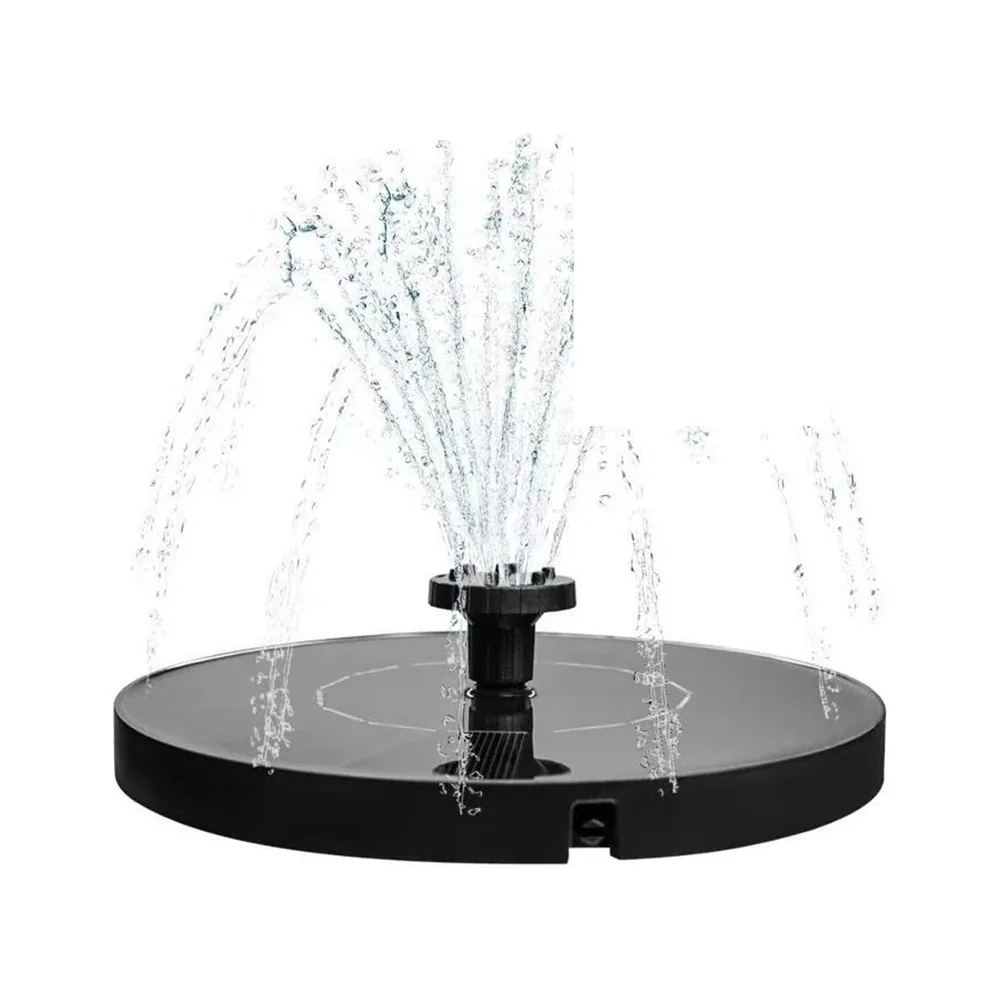 Solar Fountain for Your Bird Bath
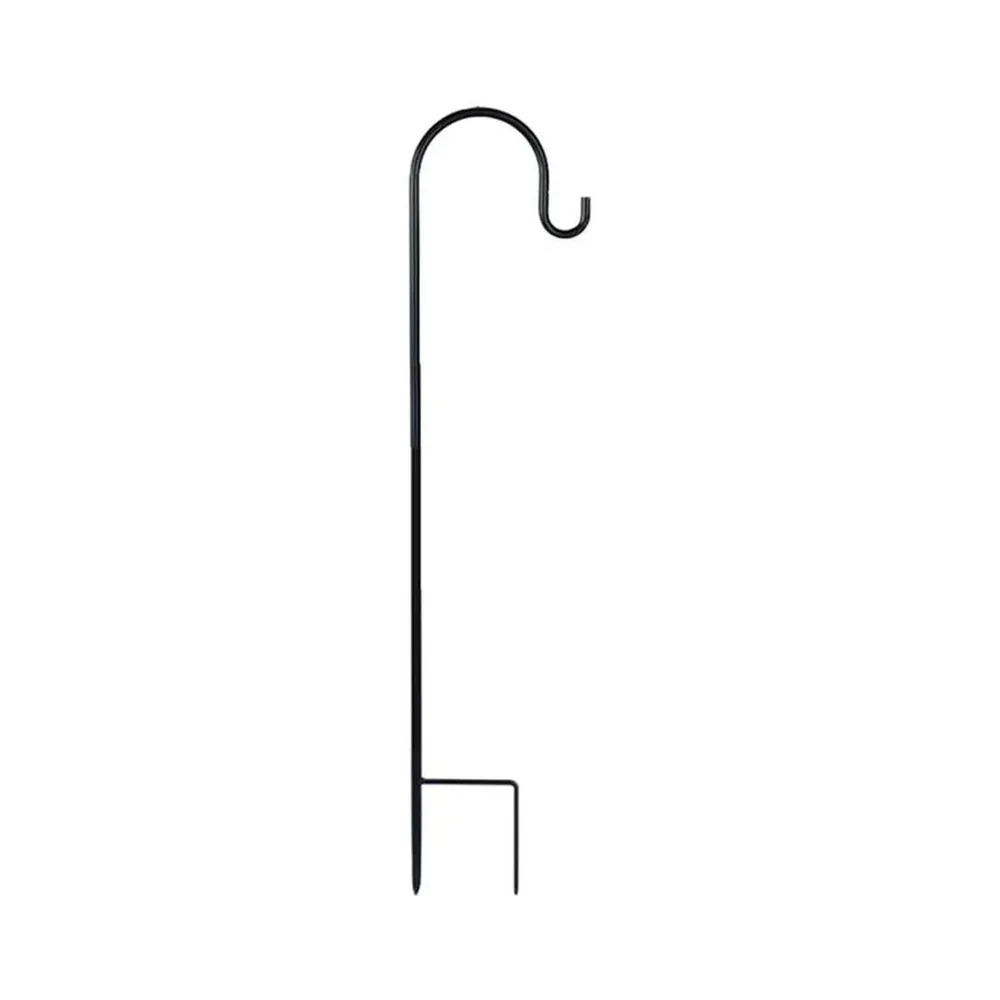 Shepherd Hook Feeder Pole
Forty years of filling feeders and I have watched an awful lot of expensive seed get kicked onto the lawn.
The truth is that most gardens need one food, plus two or three additions if you want particular birds. The rest is marketing.
So here it is, in the order I would actually buy it.
1. Sunflower hearts
If you buy nothing else, buy these.
They are sunflower seeds with the shell taken off. High in oil, eaten by blue tits, great tits, goldfinches, greenfinches, chaffinches, house sparrows, robins and dunnocks, and usable in almost any feeder you own.
Because there is no husk, nothing gets dropped, nothing rots into the lawn and nothing needs sweeping up. That last part matters more than people expect — ground spill is what brings rats.
They cost more per kilo than black sunflower seed. You are not paying more for food, you are paying not to buy shells.
2. Peanuts, in a mesh feeder
High fat, and a magnet for blue tits, great tits, greenfinches and, in many gardens, a great spotted woodpecker.
Two rules, both non-negotiable.
Put them in a mesh feeder, never loose on a table. A whole peanut can choke a chick, and in spring an adult will carry one straight back to the nest. Mesh forces them to peck fragments off, which is exactly the point.
And buy peanuts sold for birds. Bird-grade nuts are batch-tested for aflatoxin, a mould toxin that is invisible and genuinely dangerous. Never use salted, dry-roasted or flavoured nuts.
3. Fat balls and suet
The highest-energy food you can offer, and in a hard frost it is what gets a blue tit through a fourteen-hour night.
Always cut the plastic net off first. Birds catch their feet and beaks in it and are injured by it every winter. Put the bare ball in a steel cage feeder instead, which also lets several birds feed at once.
Long-tailed tits are the reward here. They arrive as a flock of eight or ten, work the fat for ninety seconds, and vanish.
4. Mealworms
If you want robins, this is the shortcut. Nothing else comes close.
Dried mealworms are easiest. Soak them in warm water for ten minutes first — always in the nesting season, because a dry mealworm swells inside a chick.
Blackbirds, dunnocks and wrens take them too. Put them on a flat surface: none of those birds can use a hanging feeder.
5. Nyjer seed, if you want goldfinches
Tiny, black and oil-rich. Goldfinches love it, and once a charm of them finds your garden they rarely leave.
It needs its own feeder with very fine slits, because it pours straight out of standard ports. Honestly, sunflower hearts will bring goldfinches in almost as well with far less waste — there is more on this in nyjer seed feeders explained.
What about cheap seed mixes?
Look at the bag. If the first ingredient is wheat, split maize or "cereal", most of it will end up on the ground.
Those fillers are there to make the bag heavy and cheap. Tits and finches will not touch them. Pigeons will, which is rarely what anybody wanted.
A good mix has sunflower hearts, peanut granules and suet pellets near the top of the list and no whole wheat at all. It costs more and you will use less of it.
The list of things never to put out
Short, and worth learning once:
- Anything salted. Birds cannot process salt. Salted peanuts, crisps and salted fat are all genuinely harmful.
- Milk. Birds are lactose intolerant. It causes serious digestive problems.
- Dry hard bread. Fills them up with almost no nutrition. A little soaked wholemeal in hard weather is tolerable; a loaf on the lawn is not.
- Cooking fat from the roasting tin. It stays soft, smears on feathers and wrecks waterproofing, and it goes rancid fast.
- Desiccated coconut. Swells inside the bird. Fresh coconut in the shell is fine.
- Mouldy anything. Some moulds cause respiratory infections. If you would not eat it, do not put it out.
How much, and when
Put out what gets eaten in a day, and top up rather than filling to the brim. Seed sitting for a fortnight goes damp and mouldy, and a mouldy feeder does more harm than an empty one.
Two windows matter most: first light, and the last hour before dusk. The evening one is the important one in winter, because whatever a small bird eats then has to last it all night.
And the thing everyone forgets
Water. Every day, for drinking and for keeping feathers in flying order.
In a dry August and in a hard frost, a bird bath will pull in more species than any feeder you own — including birds that never touch a feeder at all. There is more in the water guide.
The rest of this series is at bird food and feeding, and the full food guide goes further on each one.