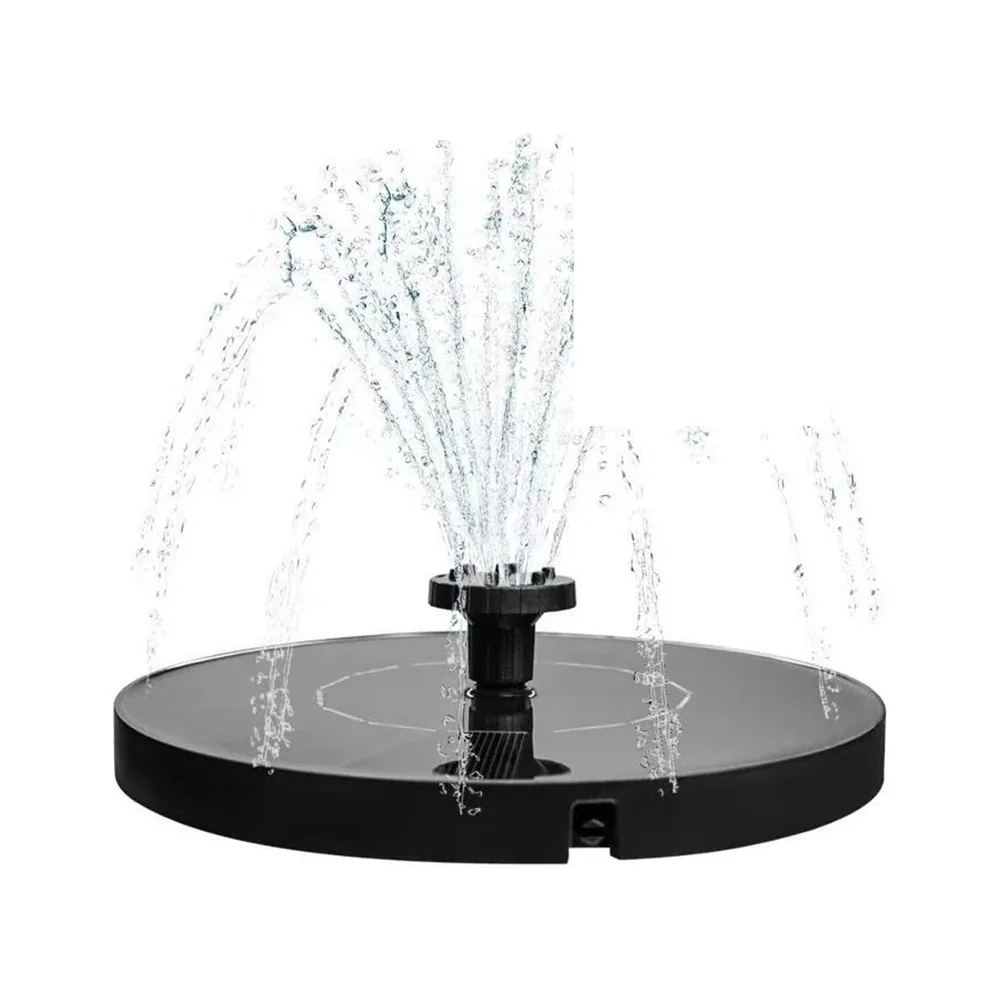
 Solar Fountain for Your Bird Bath
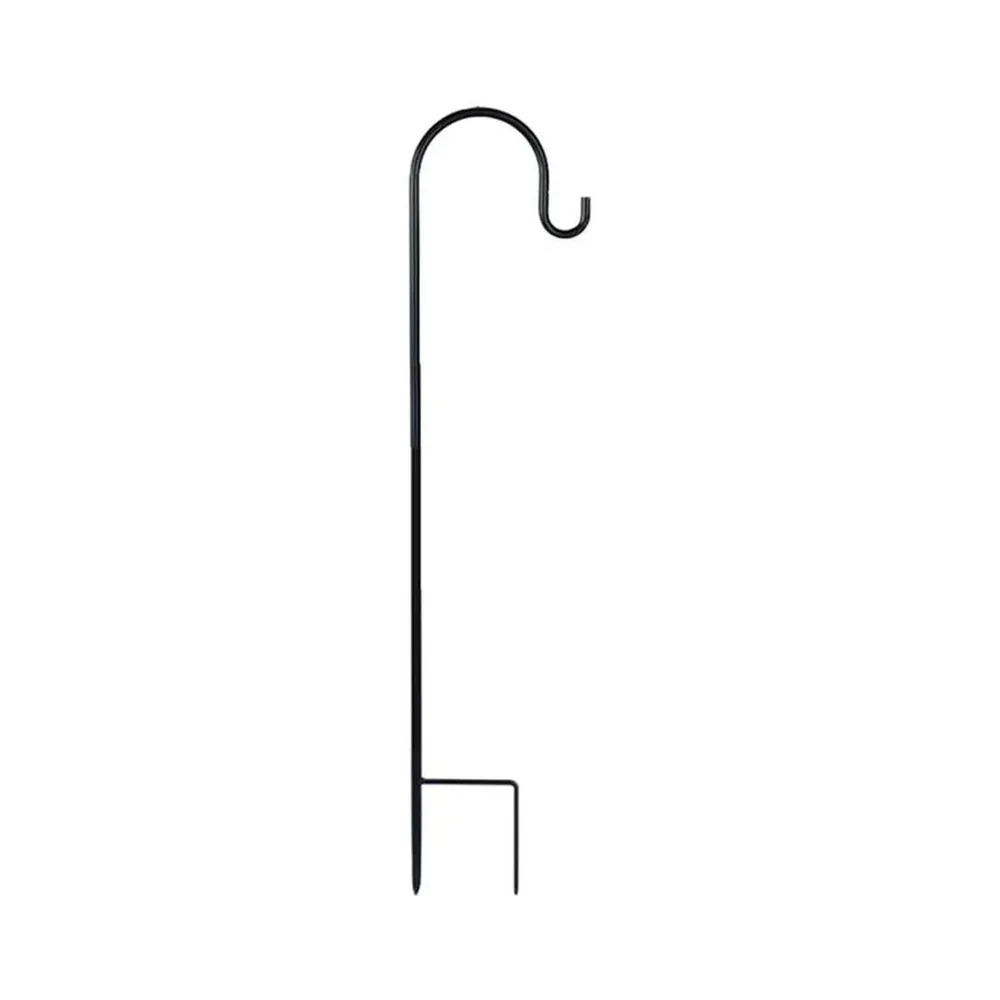 Shepherd Hook Feeder Pole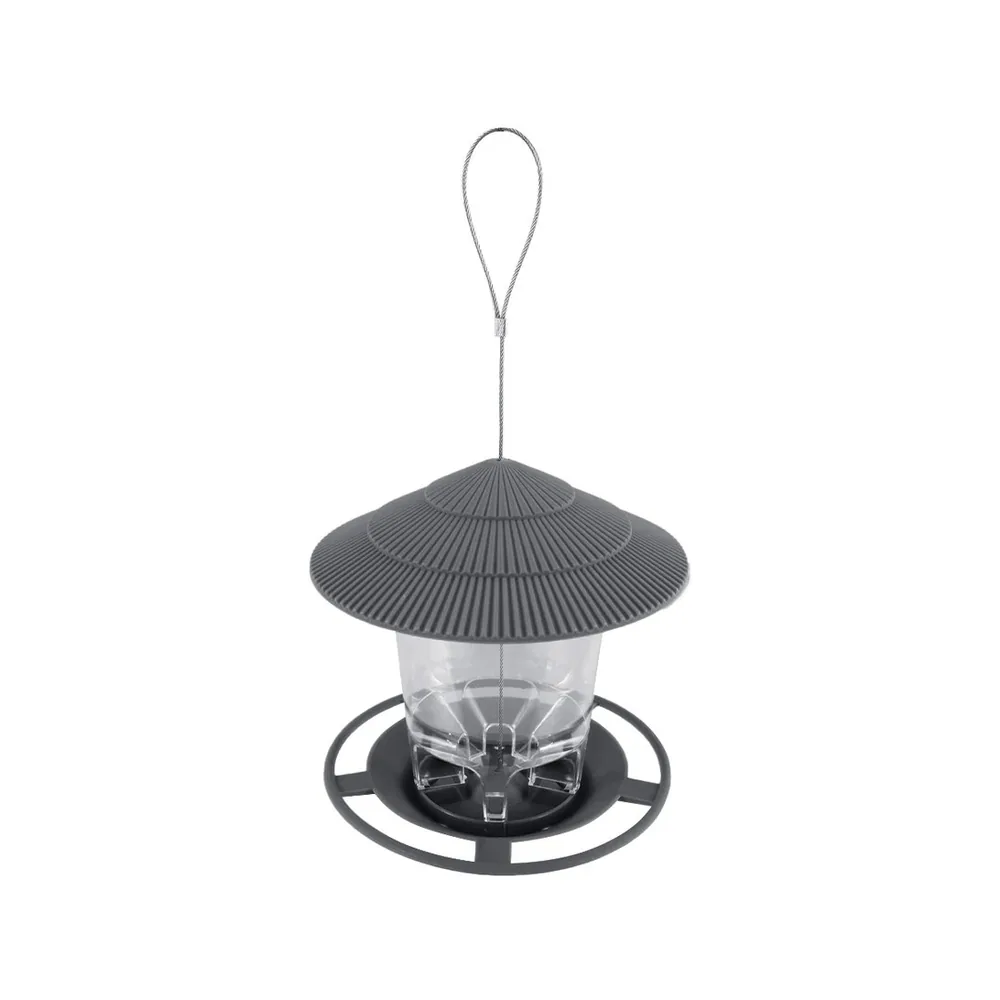
Feeding garden birds in Exeter
Exeter gardens run from Victorian terraces with a strip of yard to inter-war semis with mature hedges, and the two attract quite different crowds. Small enclosed gardens do well with window and pole feeders that use vertical space; a larger plot in the EX postcodes can carry a proper feeding station with a table, a hanging cluster and water at ground level.
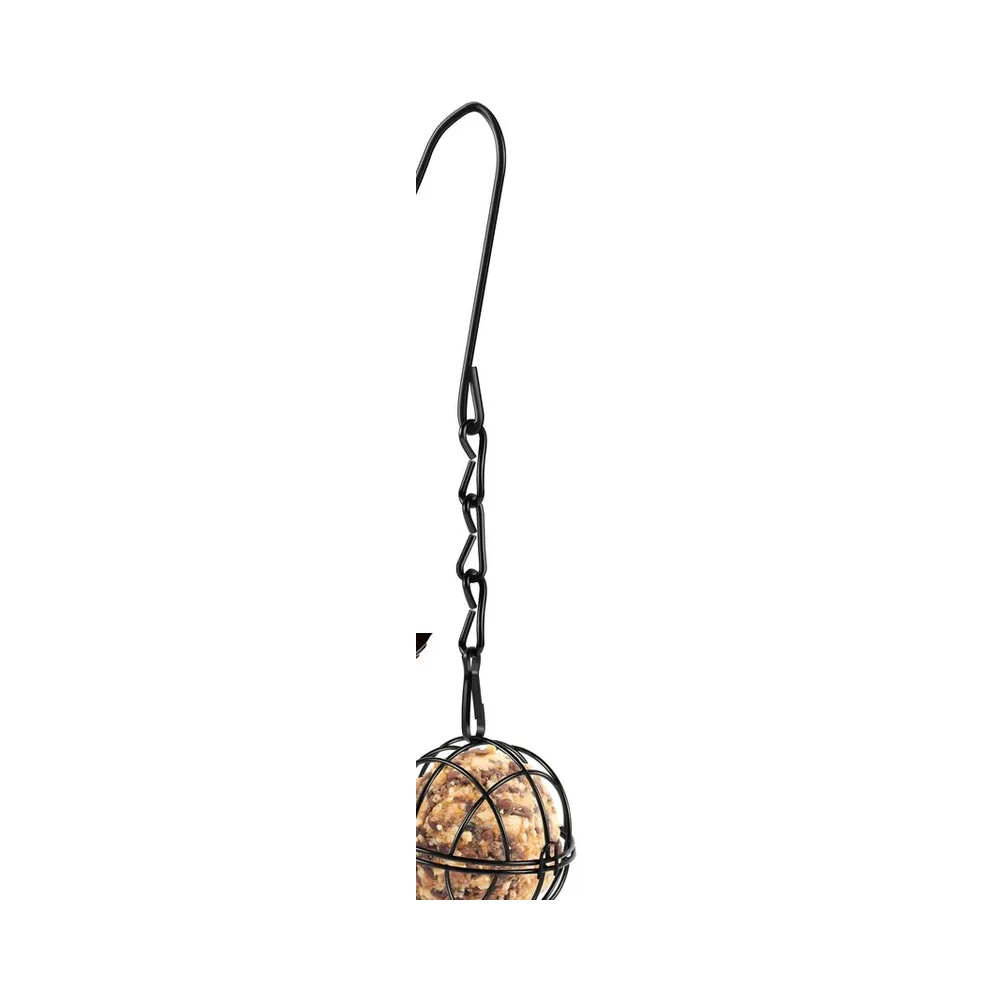
Food choice is simpler than the shelves suggest. Sunflower hearts are the single most useful thing you can put out because almost everything eats them and there are no husks left on the ground. Add peanuts in a mesh feeder for tits and finches, fat balls once the weather turns, and mealworms if you want robins, and you have covered nearly every garden bird. Birds move between gardens and open ground, so a garden near Priory Gardens Park is on a route already in use.
Cirl buntings once clung on in Britain almost only along the south Devon coast, falling to around 118 pairs by 1989, and RSPB farmland work has since brought them back to more than a thousand pairs.
Exeter at a glance
Exeter, verified
Real places, with the distance measured from the city centre. We are an online shop, not a branch in Exeter.
NationEngland
RegionDevon
PostcodesEX postcode area
Green spacePriory Gardens Park (0.4 km north), Cathedral Green (0.5 km north), Cowick Barton Playing Fields (1.1 km south-west)
Nature reservesBarley Valley Nature Reserve (1.8 km west), Matford Marshes (3.3 km south-east)
WoodlandExwick Wood (3.3 km north-west), Bolsters Wood (3.2 km north-west)
WaterReed Pond (1.8 km north)
Nearest reserveRSPB Bowling Green Marsh
Also coversExmouth, Topsham, Crediton, Tiverton, Honiton, Dawlish
What should I feed garden birds in Exeter?
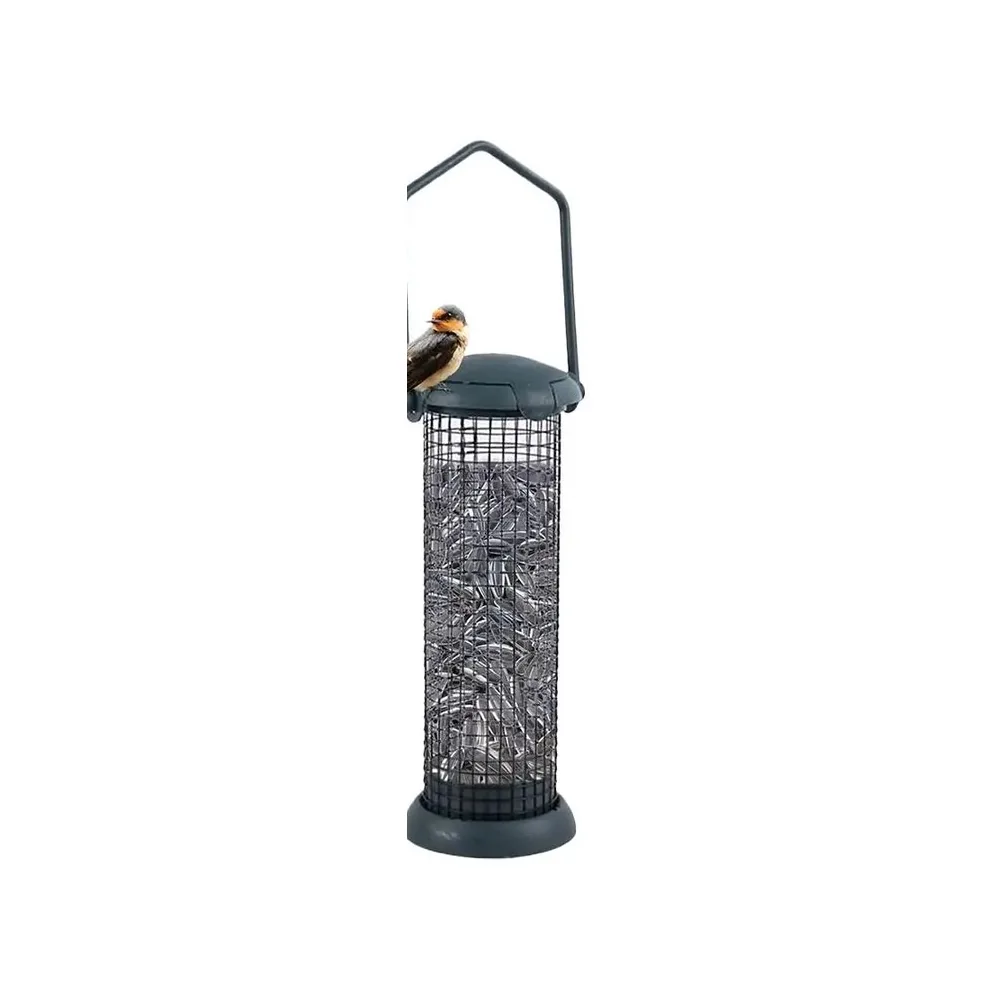
For Exeter gardens: sunflower hearts in a tube, peanuts in mesh, fat balls from October, and a low tray for robins and blackbirds. Hang it near a hedge at head height and keep a shallow bath through frost and drought. Cirl bunting is the local bird worth watching for.
- Keep water out all year, shallow at the edge and topped up in frost
- Sunflower hearts suit the widest range of garden birds and leave no husks
- Fill little and often in warm weather so nothing sours in the base
- Take peanuts out of open feeders during the nesting weeks
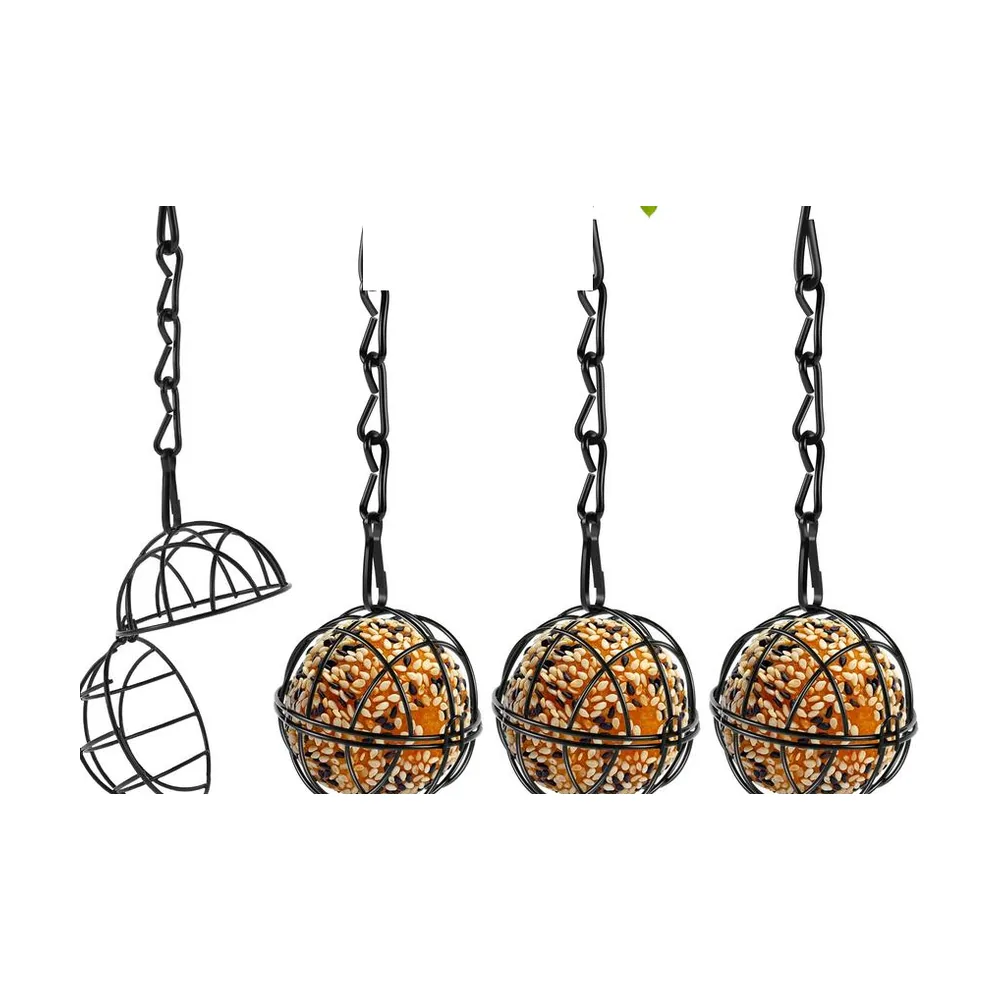
- Mix feeder types so several species can use the garden at once
Cirl bunting around Exeter
Cirl buntings once clung on in Britain almost only along the south Devon coast, falling to around 118 pairs by 1989, and RSPB farmland work has since brought them back to more than a thousand pairs.
Water matters as much as seed
Put the bath where a bird can see out of it. A wet bird flies badly, so an open position with cover a couple of metres away is exactly right, and a bath tucked under a dense shrub will be avoided no matter how clean it is. Raised baths deter cats; ground baths bring in blackbirds and thrushes that will not perch on a pedestal.
Keeping the station healthy
Watch what collects underneath as well as inside. A ring of wet, sprouting seed under a feeder is the sign the tray is missing or the mix is wrong, and it is what turns a feeding station into a rat problem. Sweep it, and switch to husk-free hearts if it keeps happening.
Timing it right in Exeter
Do not stop in spring. There is an old idea that feeding should end once the weather warms, and it is simply wrong: adults raising a brood are working at their limit, and sunflower hearts, suet and live or dried mealworms all help. Whole peanuts are the one thing worth pulling in the nesting weeks, or offering only in a mesh feeder.
Our pick
What we would put up first in a Exeter garden
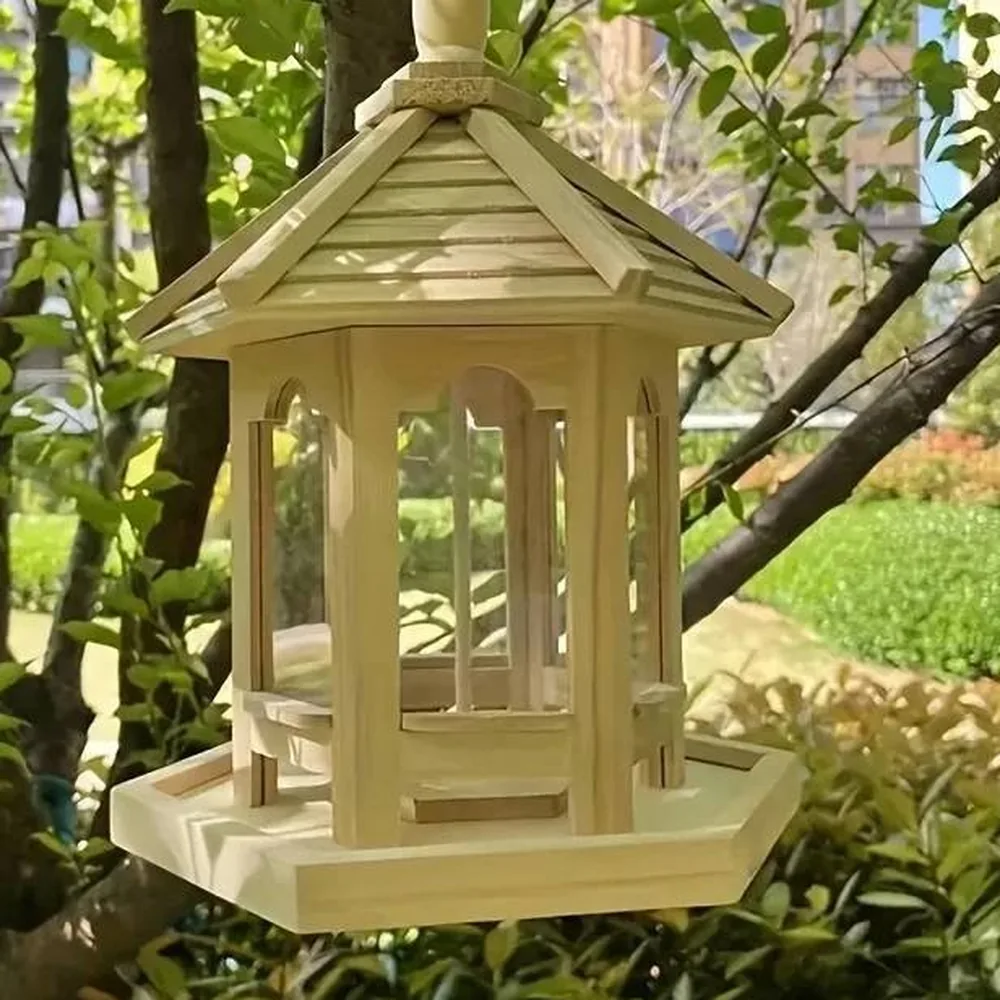
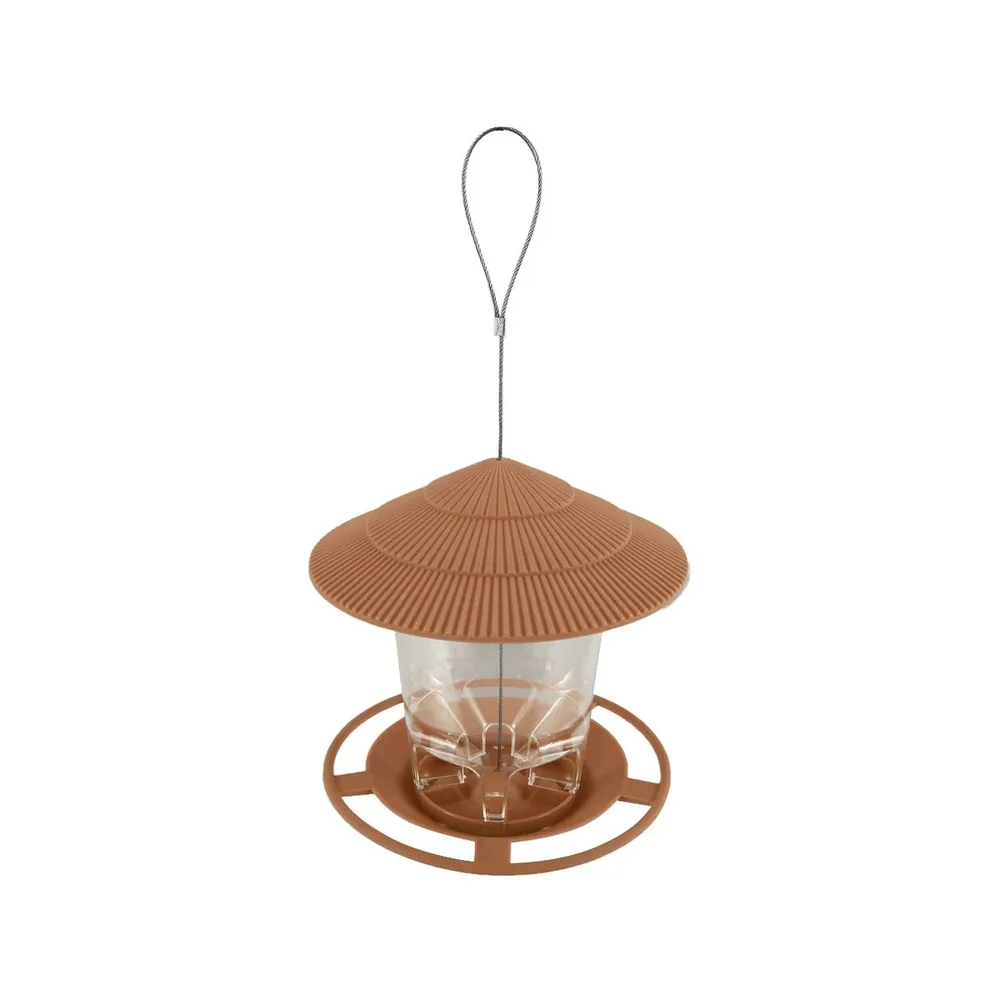
- Hanging Feeders — a hanging feeder near cover is the simplest thing that works
- Ground Baths — blackbirds and thrushes drink at ground level by preference
- Small-Bird Feeders — keeps the food for tits and finches rather than the bruisers
Where to start
Hanging Feeders
Common questions
Feeding birds in Exeter
The same cage that stops squirrels stops most larger birds, and it is the least fiddly solution. Beyond that, clearing spilled seed from the ground removes the reason they visit at all, since large birds usually come for what has been dropped rather than for the feeder itself.
Early autumn is the natural point, when wild seed and insects begin to run out and birds are settling into winter routines. Anything you put up before the clocks change gets built into that routine. Starting in the middle of a cold snap still helps, but it takes longer for birds to find and trust it.
They can be, and it is almost always spillage rather than the feeder. A seed tray underneath catches husks and dropped seed, ground feeding is best done in daylight in small amounts, and anything left on the soil at dusk should be cleared. Feeders that seal properly and do not leak from the base help a great deal.
Also covering
Exeter and the surrounding towns — Exmouth, Topsham, Crediton, Tiverton, Honiton, Dawlish. Delivery and returns are the same wherever you are in England.
Nearby cities
All cities we cover · Which bird visits you? · The feeding calendar