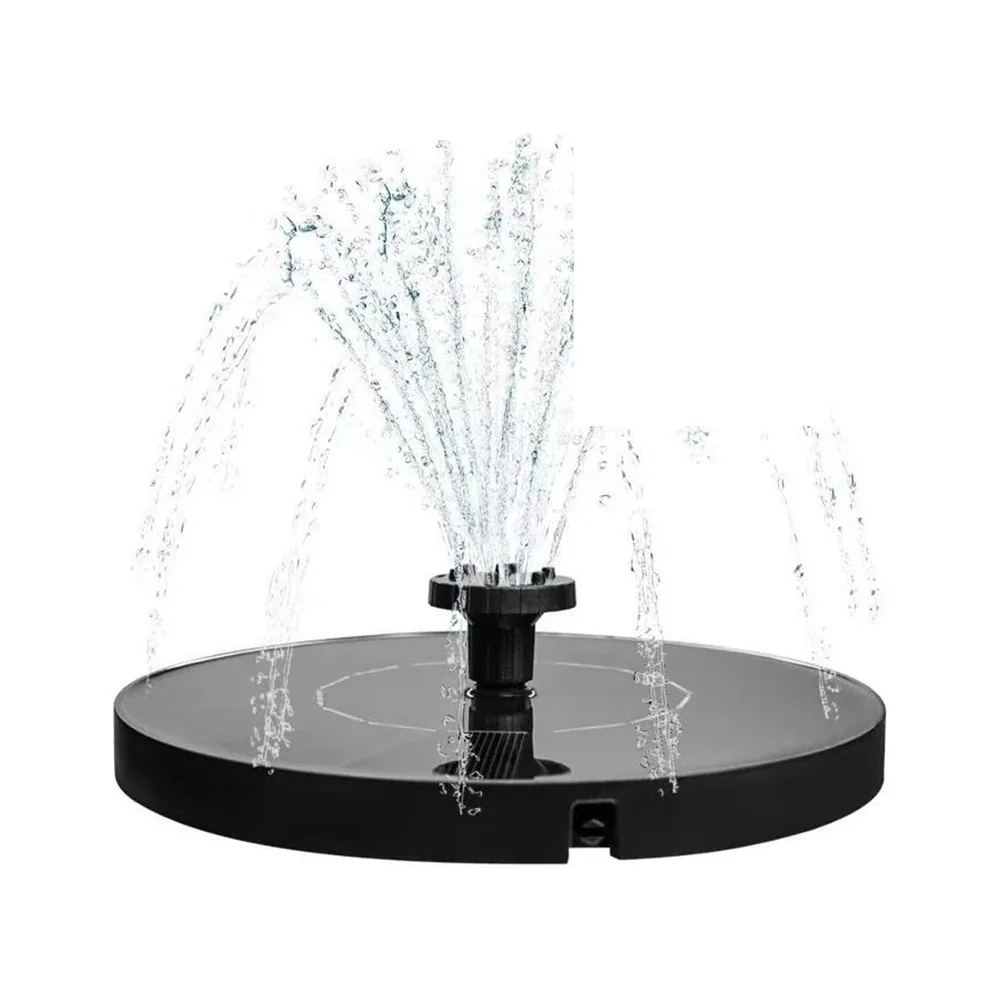
 Solar Fountain for Your Bird Bath
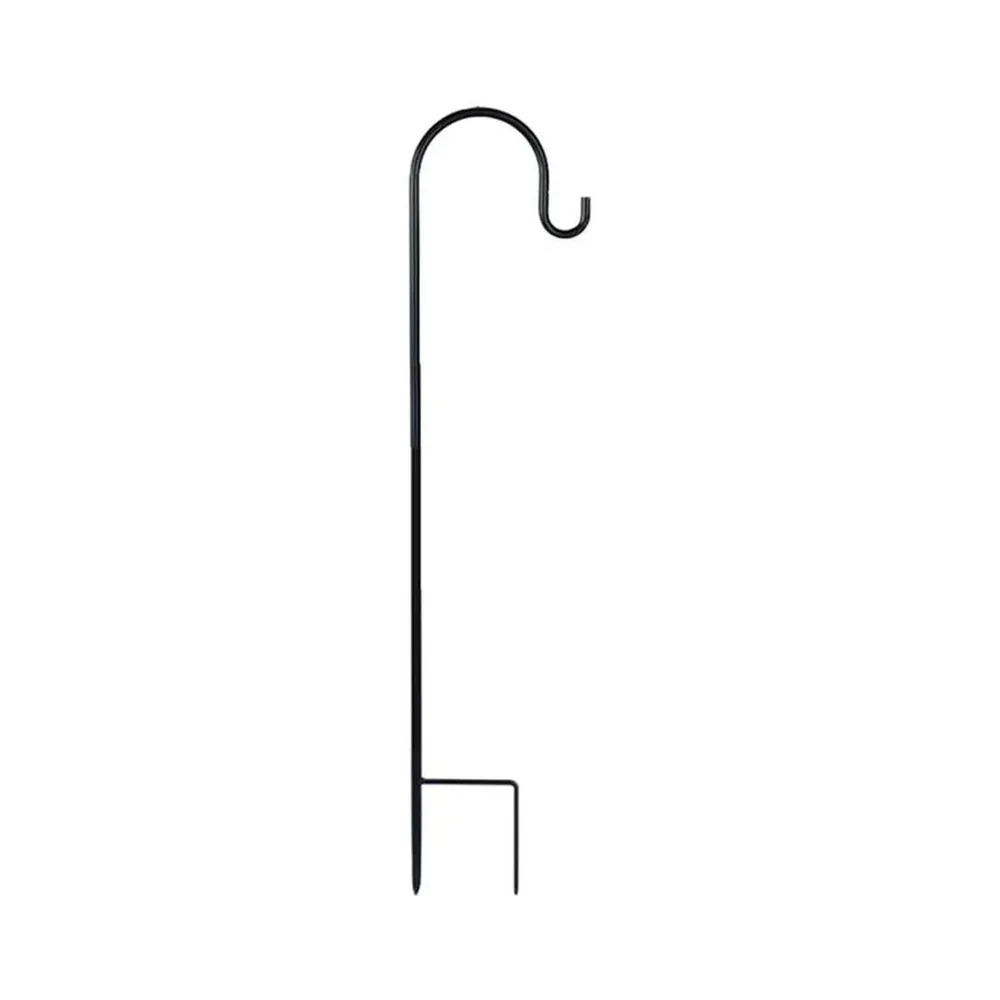 Shepherd Hook Feeder Pole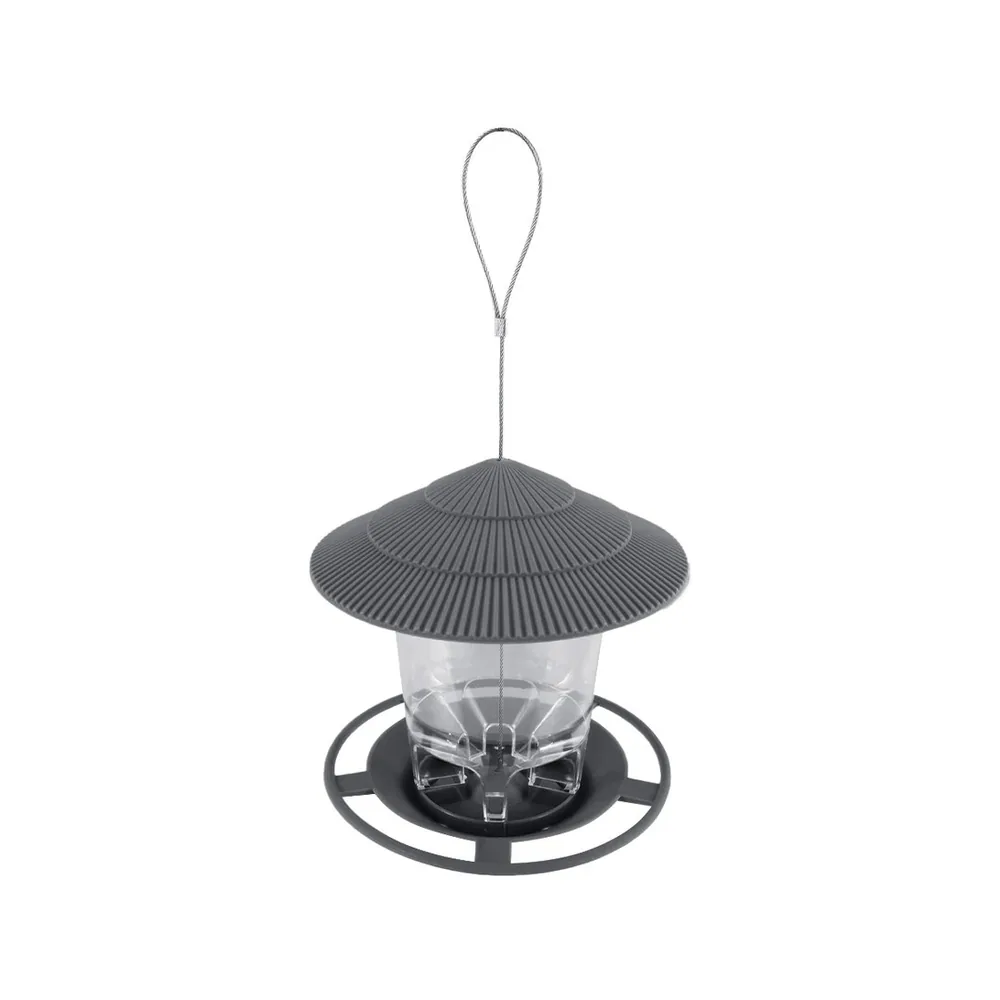
Feeding garden birds in Norwich
There is nothing exotic about feeding birds in Norwich. The species using suburban gardens here are the same dozen or so found across England, and what separates a busy feeder from an ignored one is almost never the food. It is height, cover and the simple fact that birds only trust a feeding station they have watched for a few days.
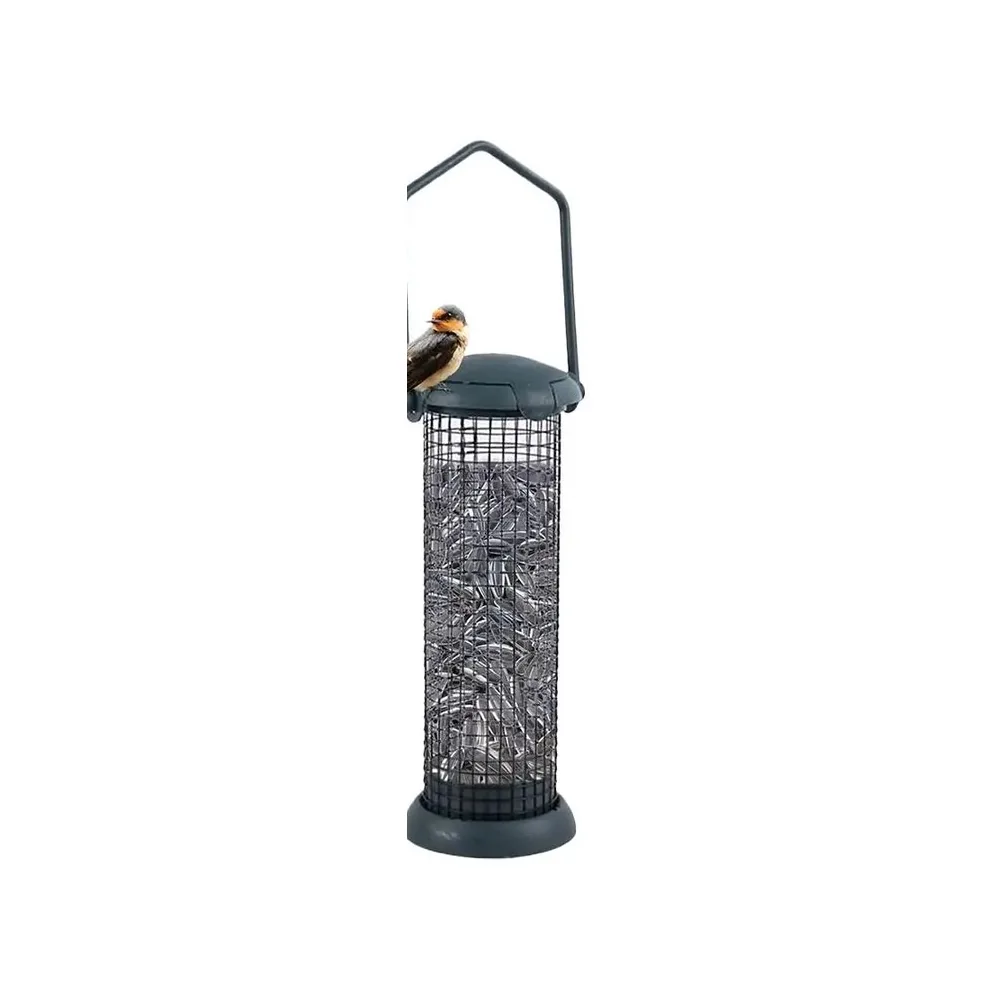
Squirrels and larger birds are the usual reason a feeder empties overnight. A caged feeder solves both at once, letting tits and finches through a mesh that a squirrel, pigeon or magpie cannot pass. Poles with a baffle work too, provided the pole is far enough from a fence or branch that nothing can jump across to it.
The Broads east of the city hold one of Britain's densest marsh harrier populations, and Norfolk gardens fill with Continental blackbirds in a cold winter.
Norwich at a glance
What is actually near you
Distances are measured from the centre of Norwich. Green space, woodland and water are pulled from OpenStreetMap rather than written by us.
NationEngland
RegionNorfolk
PostcodesNR postcode area
Nearest reserveRSPB Strumpshaw Fen
Also coversWymondham, Aylsham, Dereham, Diss, Great Yarmouth, Thetford
What should I feed garden birds in Norwich?
For Norwich gardens: sunflower hearts in a tube, peanuts in mesh, fat balls from October, and a low tray for robins and blackbirds. Hang it near a hedge at head height and keep a shallow bath through frost and drought. Marsh harrier is the local bird worth watching for.
- Use a caged feeder where squirrels, pigeons or magpies take everything
- Give it two to three weeks before deciding a feeder is not working
- Wash feeders in hot soapy water every fortnight and dry before refilling
- Keep water out all year, shallow at the edge and topped up in frost
- Put feeders under a metre from glass, or over three metres from it
The Marsh harrier factor
The Broads east of the city hold one of Britain's densest marsh harrier populations, and Norfolk gardens fill with Continental blackbirds in a cold winter.
Do not forget the water
Depth is the whole trick with a bath. Anything deeper than about three centimetres at the edge stops being useful to a small bird, which is why an ornamental basin often sits ignored while a plant saucer on a stump gets used every day. Add a couple of pebbles and the depth problem solves itself.
Keeping it clean
Clean feeders are not optional. A feeder is a place where dozens of birds touch the same surfaces, and dirty ports are how trichomonosis moves through a greenfinch population. Wash in hot soapy water every fortnight, rinse properly, and let it dry before refilling. A feeder that comes apart without tools is the one that will actually get cleaned.
When it matters most in Norwich
Autumn is when the pattern sets. Birds spend early autumn working out which gardens are worth including in a daily round, so a feeder that goes up in September is treated very differently from one that appears in January. Get it up before the clocks change and the winter crowd is already established.
Our pick
What we would put up first in a Norwich garden
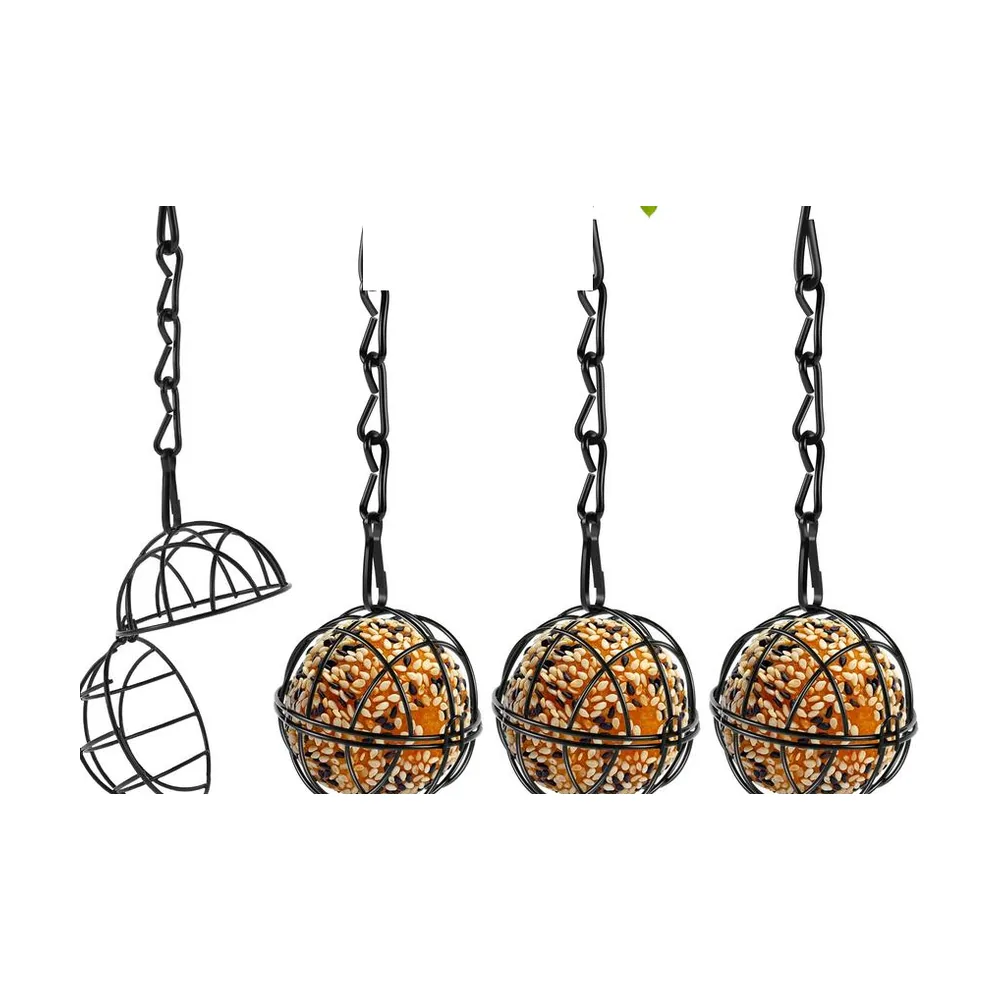
- Metal Feeders — metal ports survive squirrels far better than moulded plastic
- Peanut Feeders — a mesh peanut feeder brings in tits, finches and woodpeckers
- Small-Bird Feeders — keeps the food for tits and finches rather than the bruisers
Where to start
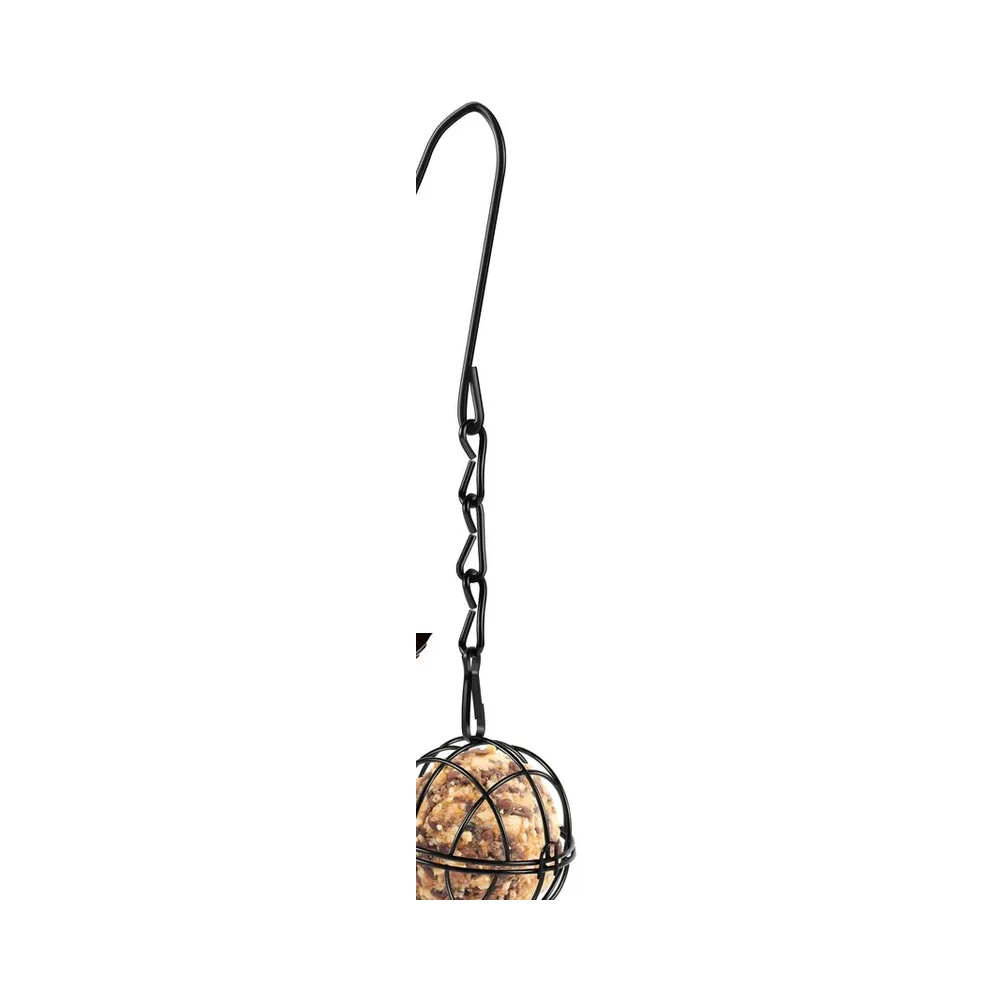
Metal Feeders
Common questions
Feeding birds in Norwich
The same cage that stops squirrels stops most larger birds, and it is the least fiddly solution. Beyond that, clearing spilled seed from the ground removes the reason they visit at all, since large birds usually come for what has been dropped rather than for the feeder itself.
Yes. Winter is the obvious time, but the spring hungry gap and the nesting weeks are just as demanding, and a summer drought closes off the water birds rely on. The one adjustment worth making is offering peanuts only in a mesh feeder during the nesting season, so nothing whole can be carried to a chick.
A caged feeder is the reliable answer: small birds pass through the mesh and squirrels cannot. A pole with a baffle also works, as long as the pole stands well clear of fences, walls and overhanging branches, because a squirrel will happily jump a couple of metres to reach it.
Also covering
Norwich and the surrounding towns — Wymondham, Aylsham, Dereham, Diss, Great Yarmouth, Thetford. Delivery and returns are the same wherever you are in England.
Nearby cities
All cities we cover · Which bird visits you? · The feeding calendar