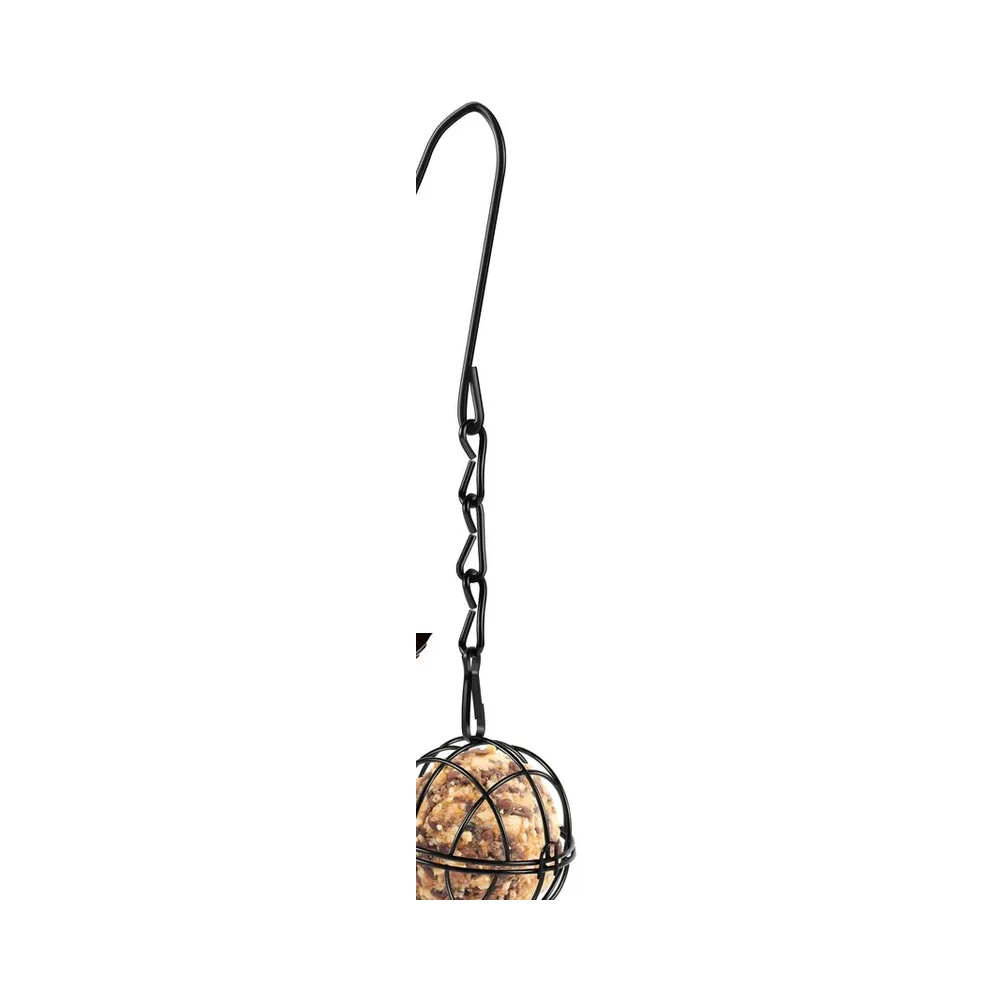
 Hanging Metal Fat Ball Feeders (Set of Four)
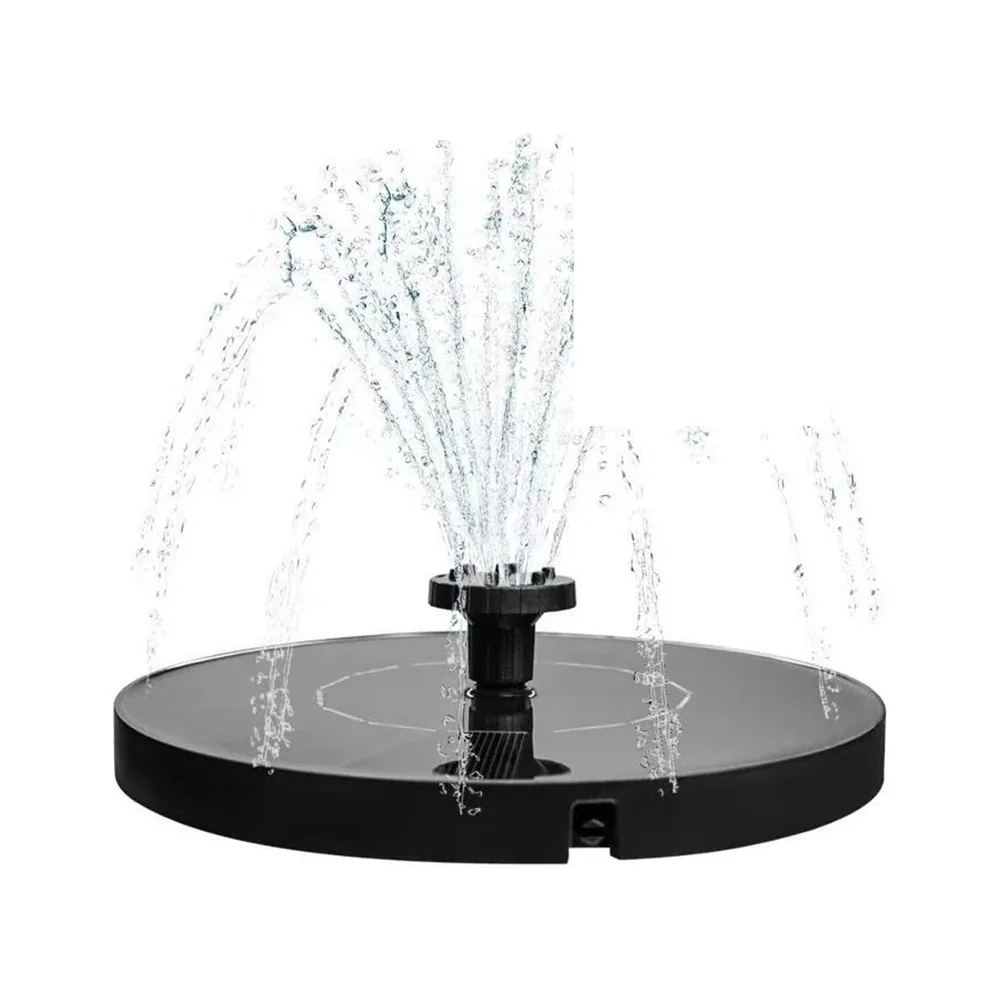 Solar Fountain for Your Bird Bath
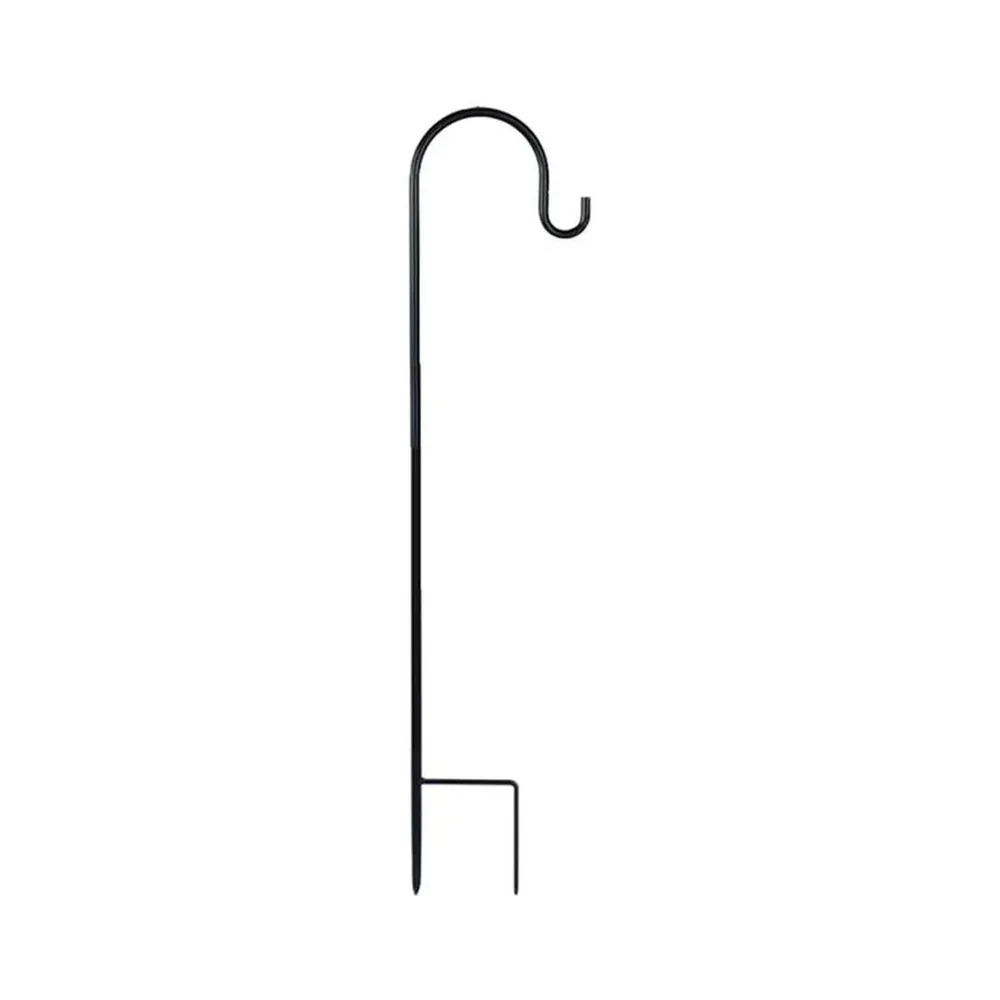 Shepherd Hook Feeder Pole
Forty-odd years of keeping feeders and the robin is still the bird people ask about most. It is also the one they most often fail to attract, and almost always for the same reason.
They have hung a tube feeder full of sunflower hearts and wondered why the robin sits on the fence looking at it.
The robin is not being fussy. It physically cannot use that feeder.
Robins cannot cling
Blue tits and goldfinches have feet built for hanging on a vertical perch and feeding upside down if they must. A robin does not. It is a ground bird that happens to spend a lot of time on fence posts.
Watch one feeding naturally and you will see it working the soil, hopping, pausing, snatching. Everything about it is designed for a flat surface.
So a hanging tube is useless to it. Give it something flat and the whole problem disappears.
What a robin actually needs
- An open tray at ground level, or a low bird table it can land on and see all round from.
- A seed catcher tray under an existing feeder works beautifully, because it gives the robin the spill from everything above. Ours are here: catcher trays.
- Cover nearby — a shrub or hedge two or three metres away to bolt into.
That is genuinely it. No special feeder, no clever mechanism.
The food, in order of reliability
1. Dried mealworms
Nothing else comes close. If you want a robin, buy mealworms.
Soak them in a little warm water for ten minutes first, especially in dry weather and always during the nesting season. Dry mealworms swell inside a chick and cause real problems. Soaked ones are also softer and disappear faster.
2. Suet pellets
High energy, easy to eat, and robins take them readily through the winter. The small pellets sold loose are better than crumbled fat balls, which tend to smear.
3. Sunflower hearts
They will take them from a flat surface, though they are not the first choice. Useful because everything else in the garden eats them too.
4. Mild grated cheese
An old countryside trick and a good one. Mild cheddar, grated, in small amounts. Never anything salty, never blue cheese, and only in winter when the extra fat is genuinely useful.
The dig trick
Here is the fastest way to meet your robin, and it does not involve a feeder at all.
Go out and turn over a bed. Any bed. Within a few minutes, if there is a robin in the area, it will be on the handle of your fork watching the soil.
This is not tameness in the way people imagine. In its natural life a robin follows wild boar turning over the forest floor. You are simply the largest available boar.
Use it. Turn the soil, drop a few mealworms in the freshly dug patch, and you have introduced yourself. Do it three or four days running and the association is made.
One garden, one robin
People often ask why they only ever see one. That is not luck, it is territory.
A robin holds a patch of roughly half a hectare and defends it seriously — the red breast is a warning flag, not decoration. In winter both males and females hold separate territories, which is why you hear them singing in December when everything else has gone quiet.
So expect a pair in spring and a single bird for much of the winter. If you are seeing three, you are probably watching a boundary dispute.
Timing matters more than you would think
Feed at the same time each day. Robins are creatures of routine and they learn yours very quickly.
Mine turns up at the back door at about half seven, which is when I go out with the kettle water for the bath. Not because it is clever, but because it has watched me do that several hundred times.
First light and late afternoon are the two hungriest windows, and the late one matters most in winter — a small bird has to get through a fourteen-hour night on whatever it ate before dusk.
Water, which everyone forgets
A robin needs to drink and bathe every day, and in a frost that is harder for it than finding food.
A shallow ground dish in the open is ideal. Two to five centimetres of water, changed every couple of days, sited where nothing can creep up on it. In winter, tip the ice out each morning and refill — that ten seconds is worth more to a robin than another handful of seed.
There is more on siting and cleaning in the water guide.
If your robin still will not come
Run through this list before you change anything else:
- Is the food on a flat surface? If not, that is your answer.
- Is there cover within a few metres, but not right against the tray?
- Is there a cat sitting under it at four o'clock every afternoon?
- Have you given it a fortnight? New feeding stations take time.
If you want to work through the wider version of that checklist, the attracting garden birds guide covers the other species too, and the rest of this series takes them one at a time.