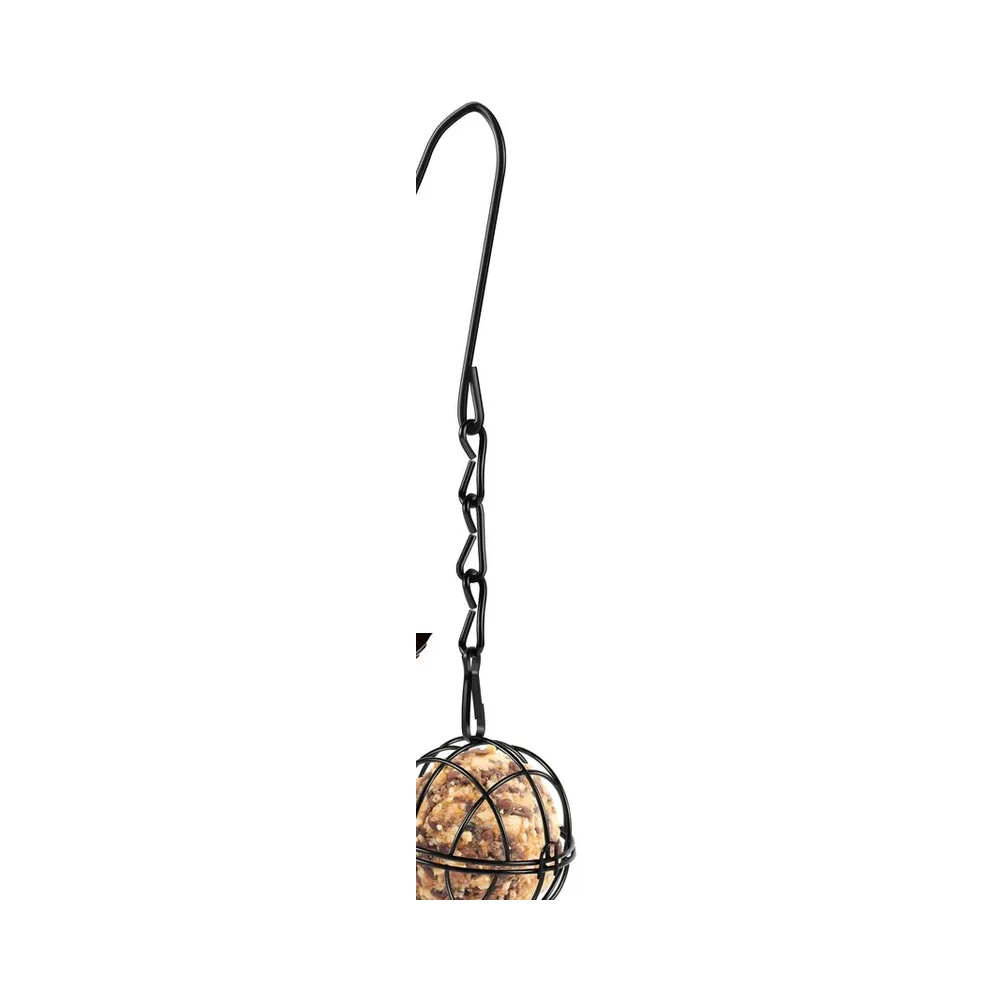
 Hanging Metal Fat Ball Feeders (Set of Four)
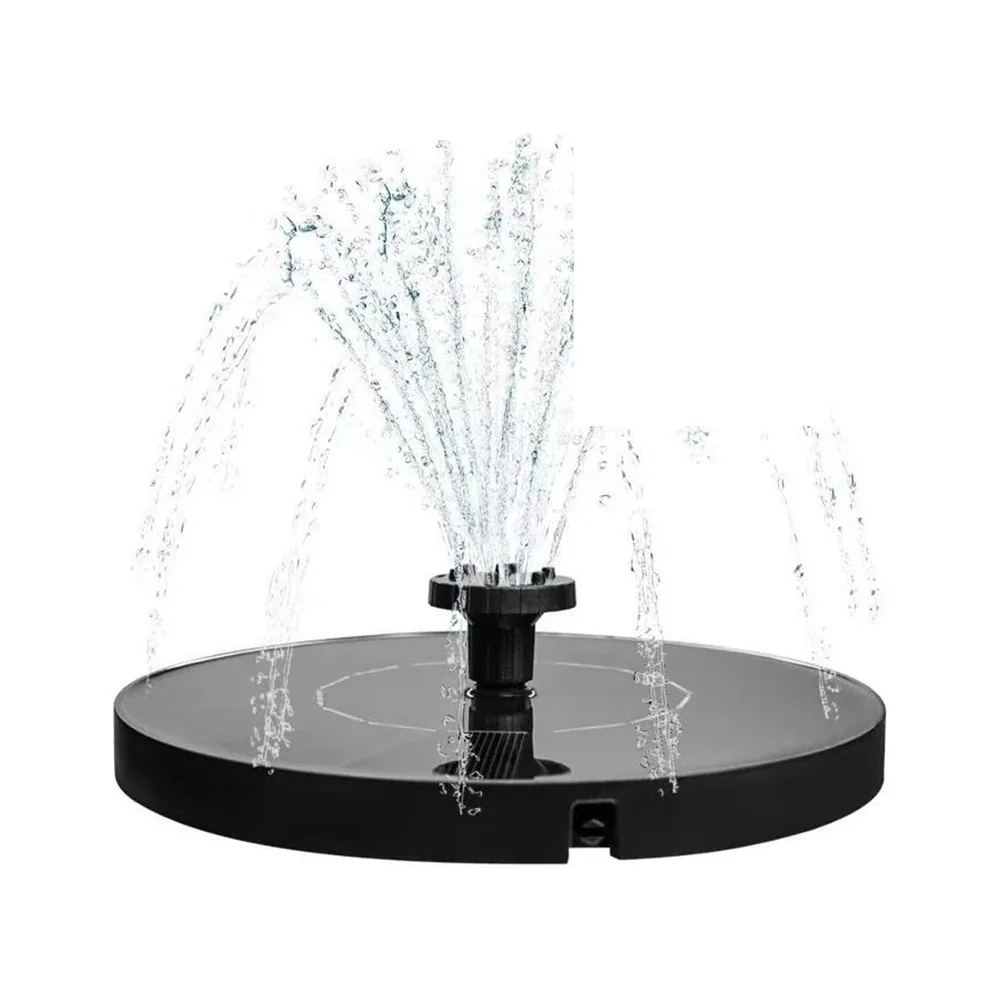 Solar Fountain for Your Bird Bath
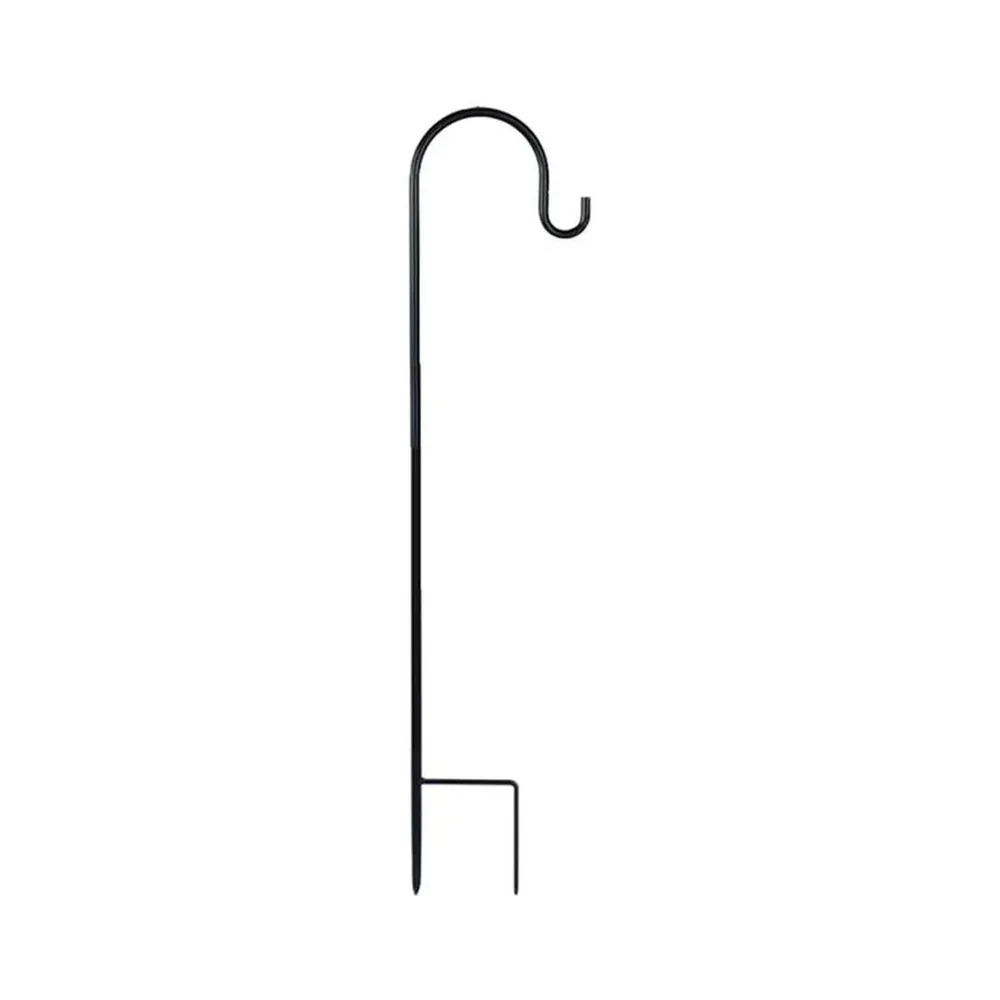 Shepherd Hook Feeder Pole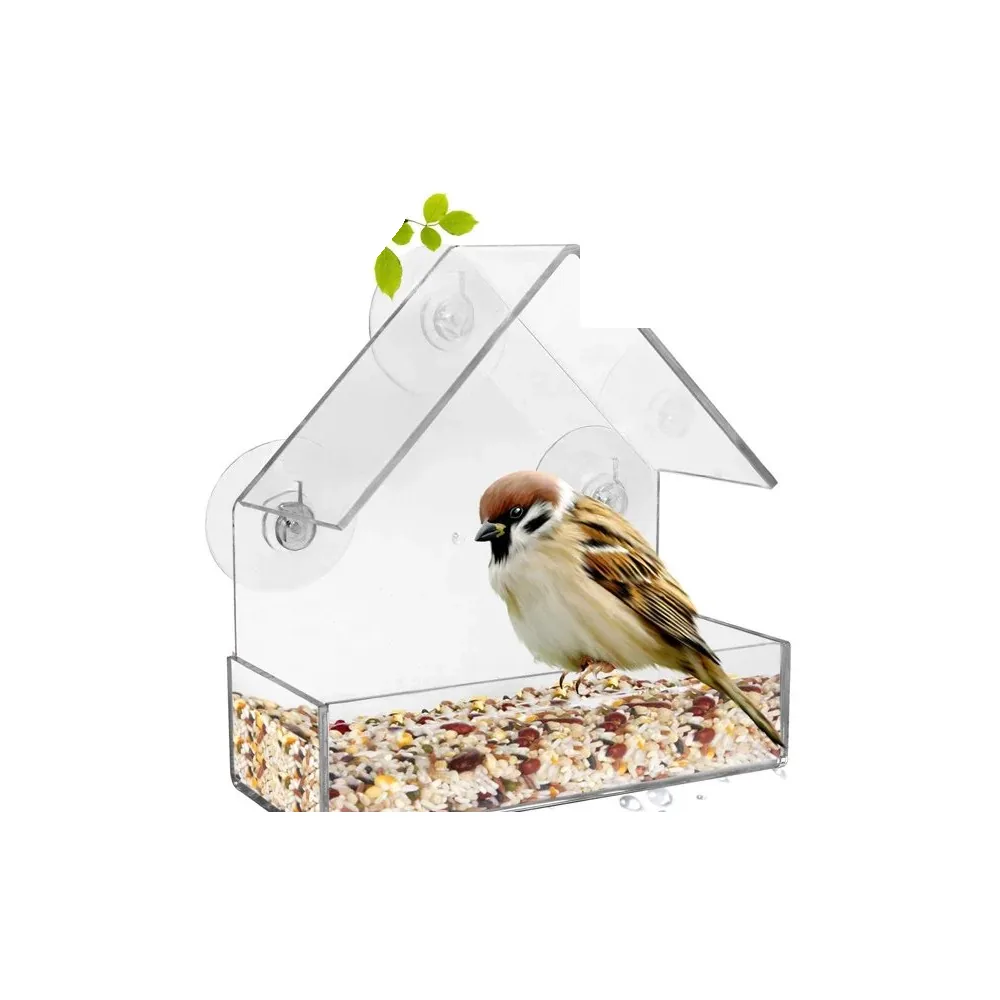
Feeding garden birds in Stoke-on-Trent
Weather in Staffordshire does most of the deciding. Birds feed hardest in the cold, wet and short-daylight months when natural seed has gone and every hour of foraging counts, so a feeder that is reliably full through that stretch will hold birds that ignored it in August. Consistency matters more here than any particular seed mix.
Height is the first thing to get right. Hanging feeders want to be roughly at head height, high enough that a cat cannot reach from the ground and low enough that you can actually refill them without a stepladder. Ground trays are the exception: robins, blackbirds and dunnocks feed low by instinct and will use a tray on a lawn long before they use a tube.
The Churnet valley oakwoods east of the city hold pied flycatchers, a summer visitor that wants old woodland and nest boxes rather than feeders.
Stoke-on-Trent at a glance
Stoke-on-Trent, verified
No invented local address here — we ship from the UK to Stoke-on-Trent, we do not have premises in it. These are the real green spaces nearby.
NationEngland
RegionStaffordshire
PostcodesST postcode area
Nearest reserveRSPB Coombes Valley
Also coversNewcastle-under-Lyme, Leek, Congleton, Stafford, Crewe, Cheadle
What should I feed garden birds in Stoke-on-Trent?
For Stoke-on-Trent gardens: sunflower hearts in a tube, peanuts in mesh, fat balls from October, and a low tray for robins and blackbirds. Hang it near a hedge at head height and keep a shallow bath through frost and drought. Pied flycatcher is the local bird worth watching for.
- Sunflower hearts suit the widest range of garden birds and leave no husks
- Keep water out all year, shallow at the edge and topped up in frost
- Take peanuts out of open feeders during the nesting weeks
- Give it two to three weeks before deciding a feeder is not working
- Use a caged feeder where squirrels, pigeons or magpies take everything
Pied flycatcher: the local one to watch
The Churnet valley oakwoods east of the city hold pied flycatchers, a summer visitor that wants old woodland and nest boxes rather than feeders.
The bath is half the job
A bath earns its place all year, not just in winter. Summer drought closes puddles and drying garden ponds faster than people expect, and a shallow dish of clean water on a hot week will draw birds that ignore seed entirely. Change it every couple of days in warm weather; standing water goes green and stops being useful very quickly.
The fortnightly wash
Move the feeding station occasionally. Droppings and spilled husks build up underneath, and shifting the pole a couple of metres every few months breaks that build-up without breaking the birds' routine. If you see a bird sitting fluffed up and reluctant to move, take the feeders down for a fortnight rather than risk spreading anything.
When to feed in Stoke-on-Trent
Autumn is when the pattern sets. Birds spend early autumn working out which gardens are worth including in a daily round, so a feeder that goes up in September is treated very differently from one that appears in January. Get it up before the clocks change and the winter crowd is already established.
Our pick
What we would put up first in a Stoke-on-Trent garden
- Window Feeders — vertical space is what a small garden or yard actually has
- Solar & Fountain Baths — moving water carries much further than a still dish
- Seed Catchers & Trays — catching the husks is how you avoid feeding rats
Where to start
Window Feeders
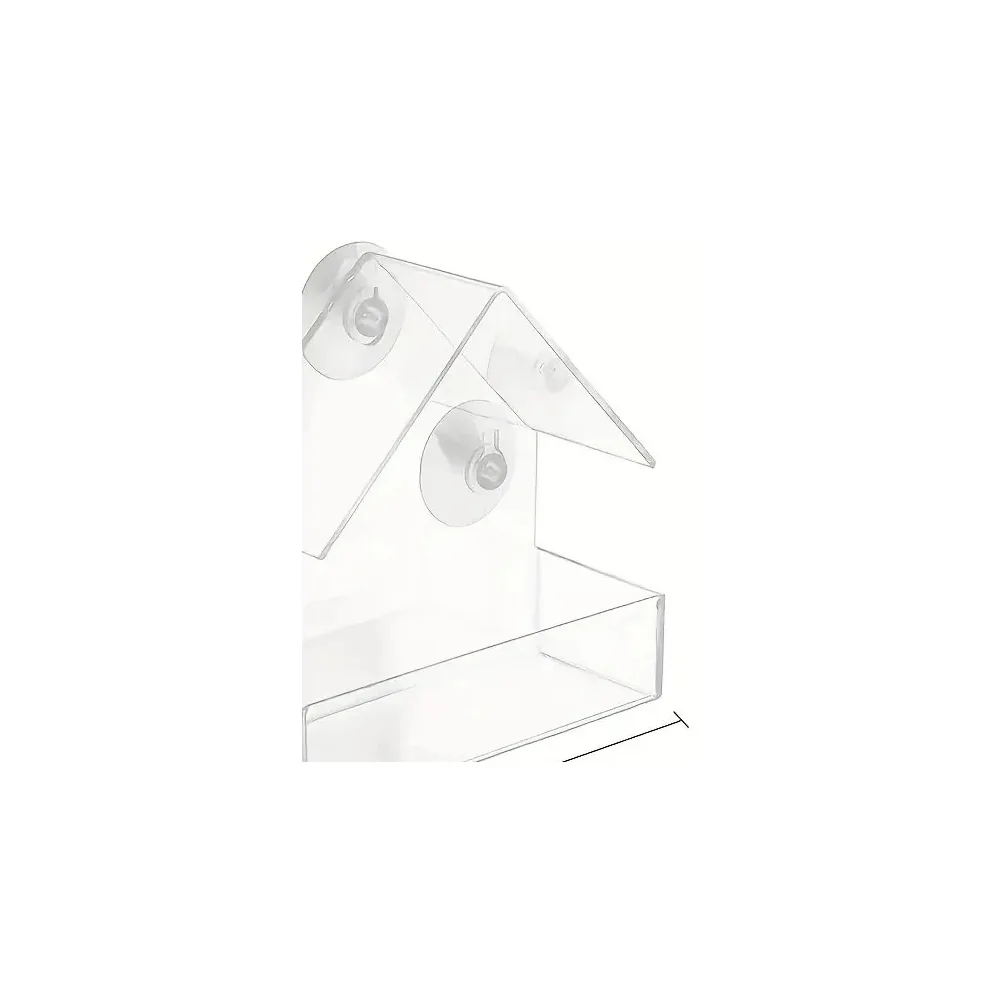
Common questions
Feeding birds in Stoke-on-Trent
Yes. Winter is the obvious time, but the spring hungry gap and the nesting weeks are just as demanding, and a summer drought closes off the water birds rely on. The one adjustment worth making is offering peanuts only in a mesh feeder during the nesting season, so nothing whole can be carried to a chick.
A caged feeder is the reliable answer: small birds pass through the mesh and squirrels cannot. A pole with a baffle also works, as long as the pole stands well clear of fences, walls and overhanging branches, because a squirrel will happily jump a couple of metres to reach it.
Blue tits, great tits, robins, blackbirds, house sparrows, starlings, goldfinches and woodpigeons make up the bulk of it in most gardens. What varies is what turns up beyond that list, and around Stoke-on-Trent the pied flycatcher is the one worth watching for.
Also covering
Stoke-on-Trent and the surrounding towns — Newcastle-under-Lyme, Leek, Congleton, Stafford, Crewe, Cheadle. Delivery and returns are the same wherever you are in England.
Nearby cities
All cities we cover · Which bird visits you? · The feeding calendar